4% Decrease in Education Quality in Armenia Due to COVID Pandemic Discussed in Dilijan
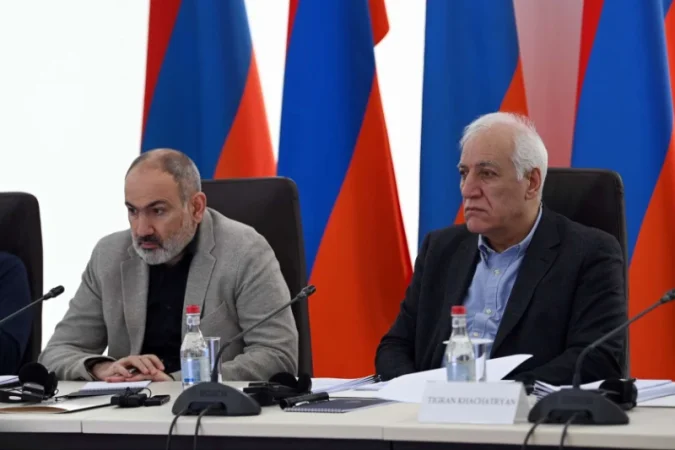
A wide range of issues related to the economic policy priorities, ongoing reforms, and solutions to existing problems were discussed in Dilijan with the participation of Armenian President Vahagn Khachaturyan and Prime Minister Nikol Pashinyan. This information was reported by the press service of the President of Armenia.
It was noted that a meeting of the Economic Policy Council took place at the Central Bank's research center in Dilijan, attended by the President of the Central Bank of Armenia, the Minister of Education, Science, Culture and Sports, the Minister of Finance, the Minister of Economy, and Deputy Prime Minister Tigran Khachaturyan, among others.
Prime Minister Nikol Pashinyan delivered the opening remarks at the meeting. The impact of the COVID pandemic on education globally and in Armenia was also discussed during the meeting. It was reported that the depth of educational poverty globally has reached 70% in low and middle-income countries, up from 57% prior to the pandemic.
In the case of Armenia, according to World Bank data, the decline in education quality has reached up to 4%, reflecting an increase of approximately four months in delays. Globally, the reduction in budget allocations for the educational sector averaged around 13%. However, in Armenia, the budget has not only remained intact but has grown year by year, with an increase of 38% projected for 2024 compared to 2023.
The global average for school closures was 141 days, while in Armenia, schools were fully closed for about 9 weeks or 45 working days and partially closed for about 3 weeks or 15 working days.
Նմանատիպ հոդվածներ



Ավելին Society բաժնից
«Նուբարաշեն» ՔԿՀ-ում երեք կալանավոր հացադուլի մեջ են մինչև 38 օր․ ՍիվիլՆեթ
Նոր ռազմավարությամբ կվերափոխվեն դատաիրավական և հակակոռուպցիոն ոլորտները
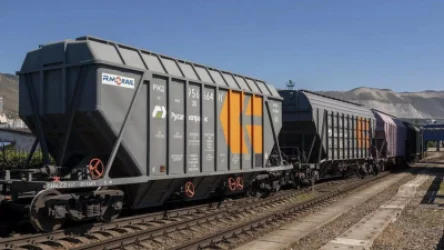
Բաքվից Հայաստան է ուղարկվել 490 տոննա ռուսական ցորեն