Azerbaijanis Target the St. Savior Church in Kargjane
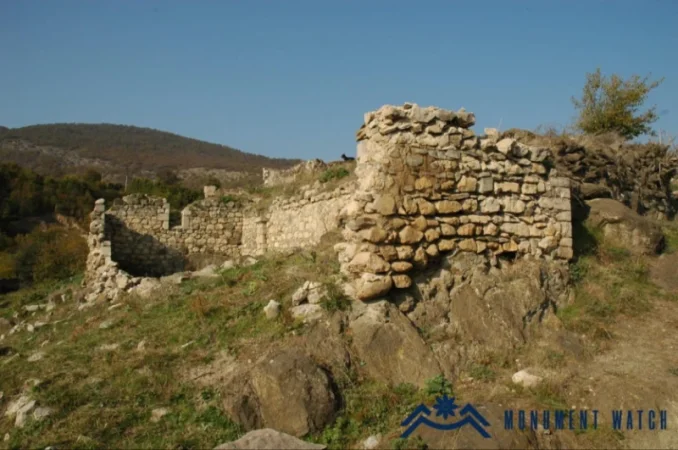
On March 8, a video aired on the Azerbaijani Ictimai TV channel, showcasing the ruins of the St. Savior Church located in the Kargjane neighborhood of the occupied city of Stepanakert. The video is titled "Demolished Architectural Monuments in Khankendi," as reported by Monument Watch.
The video appears to have a clear propagandistic intent, aimed at supporting the Azerbaijani narrative that "Armenians have altered the local architectural monuments." While this thesis is not new, the title indicates a more dangerous discourse suggesting that Armenians supposedly have also destroyed Azerbaijani monuments. This video is beginning to circulate on Azerbaijani social media under the title "Demolished and Destroyed Azerbaijani Monuments in Khankendi."
Notably, the video provides no information regarding the ruins, including any justification for when or why the monument was demolished. The ruins depicted are located in the Kargjane neighborhood of the occupied city of Stepanakert, in a higher-altitude area (see images 1, 2). According to the monument preservation zone documentation, the ruined church was referred to as St. Savior. In the administrative boundaries of modern Stepanakert during the 19th century, there were several Armenian villages such as Vararakn, Kargjane, Pahlul, Nerkin Shen, and Solomon's Shen, with references preserved in 19th-century sources. This supports the identification of Kargjane as one of those villages.
Makar Barkhudaryants mentions the village by the name Kargjane. He describes the local inhabitants as indigenous, and mentions the village church as St. Savior, whose priest came from the neighboring Ghaybalushen (Barkhudaryants 1895, 152). Thus, by the end of the 19th century, the church was still standing, and the village's inhabitants are referred to as indigenous Armenians.
Currently, the church stands in ruins. The remnants of the western, northern, and eastern walls are partially preserved (see image 3). It rests on rocks from the north, west, and east, and features notably wide windows, characteristic of 19th-century churches. It was constructed with roughly hewn limestone, cemented onto local rock.
Scattered around the monument are several fragments of khachkars, indicating that there might have been another, earlier church or sanctuary at this location, potentially replaced by the current church in the 19th century. Judging from the fragments of the khachkars, some date back to the 12th-13th centuries (see image 4). There are also fragments of gravestones, with intact gravestones bearing Armenian inscriptions. One gravestone is identified as belonging to one Hrēp'sime Hovagimian, who passed away in 1870 (see image 5).
Thus, we are dealing with the St. Savior Church of Kargjane village, built in the 19th century. Surrounding the church is the cemetery, while the fragments of khachkars found in the church's area indicate the existence of an earlier church or sanctuary on the site.
During the Soviet era, a significant number of Azerbaijanis settled in Kargjane and its vicinity. They transformed the church into a barn and left it in ruins. In fact, the Armenian church, built in a historically Armenian village, has been redefined by Azerbaijanis during the Soviet era as an Azerbaijani church, destroyed by Armenians.
Used literature:
Barkhudaryants 1895 - Barkhudaryants M., Artsakh, Baku.
Նմանատիպ հոդվածներ

Arazik Harutyunyan's Interview with Azerbaijani Media May Cause Problems for Armenia: 'Hraparak'
EU Must Be Ready to Impose Sanctions on Those Threatening Armenia's Sovereignty: Resolution

European Parliament Adopts Resolution to Consider Armenia's EU Membership Candidate Status

Turkey and the US Plan to Work Together on Peace Agreement Between Baku and Yerevan
Ավելին Politics բաժնից

Լեզվին են տալիս Ռուսաստանի հետ կապված․ Ռոբերտ Քոչարյան

Իրանը նախազգուշացնում է․ ռազմական հարվածներ կհասցվեն

Մեր դեմ մահափորձ է ծրագրվում․ Զելենսկու աղմկահարույց հայտարարությունը