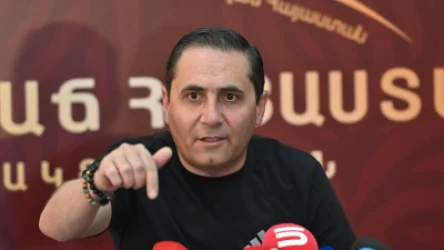
We Will See What the Outcome of the Process Will Be, Which No One Can Be Certain or Predict at This Moment. Mirzoyan

During the Antalya diplomatic forum, Armenian Foreign Minister Ararat Mirzoyan gave an interview to the Turkish TRT World television channel. A range of issues regarding Armenia's foreign policy were discussed, including relations with the USA and the EU, the security situation in the South Caucasus, the normalization process of Armenian-Turkish relations, and key issues in the negotiations between Armenia and Azerbaijan.
“Looking at the South Caucasus, we see that the region is undergoing a transformation phase, with the post-Soviet countries going through geopolitical changes. Looking at Armenia, especially over the last few years, we see that it has expanded its network of allies, shifting from traditional allies to new partners. As the head of Armenia's foreign policy agency, what trajectory do you wish to lead your country?”
“Indeed, the region, including Armenia, is undergoing serious transformations. This is also an internal process for us. The Armenian people have chosen the democratic path for building public life, and we have proven this choice several times through elections and by developing democratic institutions. Along this path, we see that the European Union and the USA are greatly supporting our democratic reforms and institutional changes. Overall, it is important to diversify and expand the circle of partners and allies as much as possible. This is the path we are moving forward on, significantly deepening our relationships with the EU and the USA while also maintaining our traditional ties and looking eastward. You know, we are building completely new quality relations with India, and so on. Of course, I would also like to emphasize our priority to normalize and primarily develop relations with our neighbors. This is a brief characterization of our foreign policy.”
“You mentioned the EU. The EU is expanding; have you ever thought about the possibility of EU membership, is it possible in the near or distant future? Or perhaps NATO membership is of interest to Armenia as part of its westward-oriented foreign policy?”
“Considering all the challenges we have had to face in the last 3-4 years, new opportunities are actively being discussed in Armenia. I won’t reveal a secret if I say that among these is the idea of EU membership. The Armenian people have European aspirations, and as I said, we are going through a process, and we will see what the outcome of this process will be, which no one can be certain or predict at this moment.”
“How do you assess the current phase of relations with the two Western countries, the USA and France, and how are they supporting you on your path?”
“We have new opportunities for cooperation with France and the USA. We have a strategic dialogue with the USA, in which we are exploring new directions. The same can be said regarding the European Union. We have a Comprehensive and Enhanced Partnership Agreement with the EU, but we are also looking beyond this agreement. We are discussing the issue of visa liberalization, several new mechanisms that can be used in our relations. I would also like to add that for the first time in history, the European Union has been engaged in security issues in our region. You know that the EU monitoring mission has been deployed in Armenia, which monitors the border between Armenia and Azerbaijan. It is also important to note that since the deployment of the mission, tension at the border has decreased, and we see that the mission has contributed to stability. Thus, we are including new directions and new areas in our partnership, and we are still halfway through the process.”
Նմանատիպ հոդվածներ
Photos: Marshal Baghramyan's Monument Demolished in Stepanakert
Zelensky Was to Bring Armenian Prisoners Held in Azerbaijan to Armenia
Hartford Courant Reports on Torture of Armenian Prisoners of War in Azerbaijan
Their Expectation is That Azerbaijani Citizens Will Pass Through Armenian Territory Without Customs Control: Foreign Minister
Ավելին Politics բաժնից
ԱՄՆ-ն ամբողջությամբ վերացրել Է Իրանի ծովային շրջափակումը
Մոսկվայի համբերությունն անսահման չէ․ ինչ կինի, եթե «կարմիր գծերը» հատվեն․ ՊՆ նախկին փոխնախարար
Իրանը պատրաստ է ռազմական գործողությունների. Ղալիբաֆ