Their Expectation is That Azerbaijani Citizens Will Pass Through Armenian Territory Without Customs Control: Foreign Minister
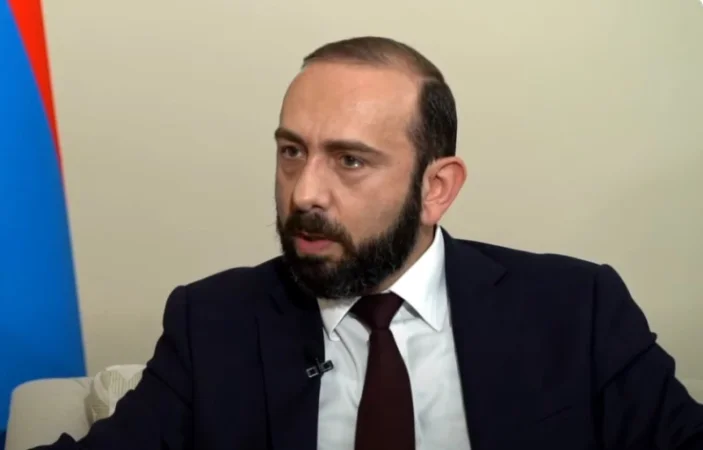
During his participation in the Antalya Diplomatic Forum, Armenian Foreign Minister Ararat Mirzoyan gave an interview to the Turkish channel ‘TRT World’. Various issues related to Armenia's foreign policy were discussed, including relations with the USA and the EU, the security situation in the South Caucasus, the process of normalizing Armenian-Turkish relations, and key issues in the negotiation process between Armenia and Azerbaijan.
One question was about trade corridors. We see changes taking place with international routes: trade routes are being restructured, the Middle Corridor is now crucial for connecting China to European markets, and there is talk of a Middle Corridor between India and the Middle East, as well as a development route connecting Iraq and Turkey to European markets. In the EU, it’s referred to as a “global gateway”; in the USA, it’s known as “Build Back Better,” while in China it’s linked to the “One Belt, One Road” initiative. What is your view on the corridors that will connect Armenia and Azerbaijan to this wider network?
Clearly, Armenia is not only interested in this but is also ready to become part of new international logistics and transit routes. In order to develop constructive discussions on this topic, to achieve tangible results, and to present our intentions and preparedness in the best way, we have developed the ‘Peace Crossroads’ project. If implemented, it would bring economic benefits to all countries in the region and beyond, and not only economic but also political. If realized, it could become a significant factor contributing to peace in the region, as trade and connectivity bring a certain level of stability and peace. This is our intention. We continue to present this initiative to all possible partners.
The core idea is that cargo and individuals from Azerbaijan should be able to cross the Armenian border and enter the Nakhchivan area, and the same should apply to Armenian citizens. There are four important conditions that will allow the process to be carried out properly. The infrastructures that have been blocked for several decades need to be unblocked under the sovereignty of the countries they pass through; they must operate under the national jurisdiction of the parties and based on the principles of equality and reciprocity. These principles are very natural, and everyone in the world would agree with them. However, from Azerbaijan, we hear that they respect these principles and have no intention to violate Armenia’s sovereignty, yet at the same time, they are proposing that third-party forces be deployed along the railway passing through Armenia. They also expect that Azerbaijani citizens can pass through Armenian territory without undergoing border control procedures or customs checks. We believe that Armenia can ensure the safety of travelers passing through its territory. We can facilitate the procedures; modern, innovative technologies can be useful in this regard, but no one can enter and exit our country without proper registration.
I would also like to ask about the international developments that affect the international order. There is war in Ukraine, in Gaza, and cases are being examined at the International Court of Justice, with a possibility of new conflicts erupting, while existing conflicts, such as in Syria and Libya, are still not fully resolved. In your discussions with your colleagues at the UN, do you address why this system, formed after the world war, has failed to resolve any of these conflicts?
I cannot confidently answer why, but I can say that indeed, many of our partners, in fact, everyone in the world admits that the deterioration of the international order has led to a number of problems, and now is the time for political thought to also make efforts to build a more just, sustainable, and long-lasting world order based on international law, human values, and saving lives. These are not just common words for us; this is what we have faced in our region. I have already mentioned the forced displacement of the entire Armenian population from Nagorno-Karabakh, the invasions into our sovereign territory, and the conflicts that we have gone through for decades, and now we are trying to find solutions to these issues. We see that we are not alone in this matter. At a global level, additional efforts need to be made to search for solutions that, unfortunately, have not yet been found.
What would you like to change in the UN Security Council or in other UN mechanisms to create a fairer system? The UN is supposed to be the center for conflict resolution and peace. How do you envision its transformation to serve that purpose? What is the missing component?
The missing component is enforcement—the implementation of resolutions and decisions, including those of the International Court of Justice. In our case, resolutions and court decisions have been made, yet we do not see their implementation on the ground. The international legal order is not functioning properly, and the missing component may very well be the necessity of enforcement and the implementation of these decisions.
During the interview, Mirzoyan also spoke about the idea of EU membership and the expansion of allies, as well as issues concerning Armenian-Turkish and Armenian-Azerbaijani relations.
Նմանատիպ հոդվածներ
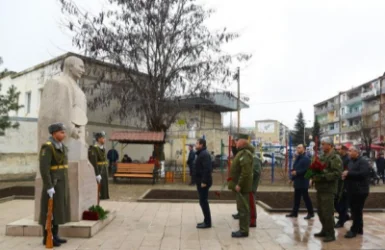
Photos: Marshal Baghramyan's Monument Demolished in Stepanakert
Zelensky Was to Bring Armenian Prisoners Held in Azerbaijan to Armenia
Hartford Courant Reports on Torture of Armenian Prisoners of War in Azerbaijan
Yerevan City Council's Ruling Faction Approves 'Secret' Public Transport Fare Increase Proposal
Ավելին Politics բաժնից
«Միասնության թևեր» կուսակցությունը դիմում կներկայացնի ԿԸՀ
ՏԵՍԱՆՅՈՒԹ. Բողոքի ակցիա` ԿԸՀ-ի դիմաց
Անհաջող հումոր է. Ավինյանի խոսնակը՝ Իոաննիսյանին