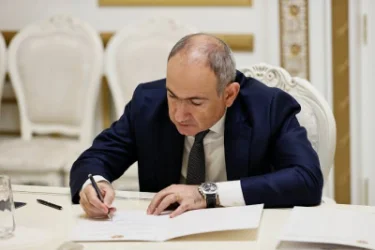
In Yerevan, Even Several Dozens of Kilometers Away, the Price per Square Meter of Housing Ranges from 320,000 to 500,000 Drams: Beglaryan

There have been no inclusive discussions by the Government of Armenia regarding the resolution of housing issues for Artsakh residents. This was stated today by the former Prime Minister of Artsakh and the President of the NGO "Union for the Protection of the Rights and Interests of the People of Artsakh," Artak Beglaryan, during a press conference on the topic of "The Government of Armenia's Program for Satisfying the Housing Needs of the People of Artsakh: Concerns and Proposals."
According to him, representatives from Artsakh were invited only once to a meeting with Deputy Prime Minister Tigran Khachatryan, where the general principles for addressing housing issues were presented. "Almost all representatives from Artsakh expressed disagreements on various points, including regarding the amount of funds. Their justification was that in 2023, the average price per square meter in the secondary real estate market registered in the cadastre is not more than 200,000 drams. And they calculated that an area of 15 square meters is sufficient for one person. They multiplied 200,000 by 15 and arrived at 3 million drams. We explained that this does not actually reflect the real price situation in the secondary market. Moreover, they noted that, aside from Yerevan, the prices in Tsakhkadzor, Dilijan, Abovyan, and other communities are the same," said Beglaryan.
He noted that there is a clear trend of people stating lower prices during transactions registered in the cadastre, likely to evade potential tax liabilities. "We simply suggested researching the market, and said, 'enter online platforms and check prices in other communities.' I have studied it, and the average price in regional communities, even dozens of kilometers away from Yerevan, ranges from 320,000 to 500,000 drams per square meter. This means that the government has not taken into account market prices or considered the opinions of the representatives from Artsakh," he stated.
He emphasized that the main issue regarding international funding aimed at assisting forcibly displaced Artsakh residents is inclusiveness and transparency, not only from the local government but also from international representatives. According to him, representatives of the Artsakh people, both from official and civil society sectors, are not involved in the processes of needs assessment, decision-making, and accountability.
"We are unaware of what funds are coming in, where they are going, and how they are being spent. I have received fragmented information from various organizations, and in the near future, I will attempt to obtain details and analyze them, but let me be clear: in many cases, a large percentage of these funds are spent on administrative costs," he noted.
According to Beglaryan, another problem is that these funds are distributed either as grants to large international organizations that have long serviced their programs or to large organizations in Armenia, while Artsakh organizations are not included and are excluded from the entire chain, even though the connecting entities are precisely the Artsakh organizations.
Additionally, he confirmed that there has been a reduction in beneficiaries, and any opportunity is used to disqualify an individual from being a beneficiary. As for how many Artsakh residents have left Armenia, they also do not have specific figures; approximately 30,000 is circulating as a number. "It is very difficult to assess this; only the authorities can provide that information. However, considering our social connections and the information received, that number is considerable, and the trend of increase is also significant. Especially concerning such social and housing programs, we are concerned that the number of Artsakh residents taking the path of emigration will increase in the spring if our proposals are not considered," he added.
Նմանատիպ հոդվածներ
Zelensky Was to Bring Armenian Prisoners Held in Azerbaijan to Armenia
PHOTOS: In Artsakh, not only cemeteries are being destroyed, but also any evidence of these cemeteries
Zakharova on the Commotion Over the ‘Symbol of Azerbaijan’s Victory’ Gifted from Baku
Peskov on Yerevan's Decision to Withdraw Russian Border Guards from Zvartnots
Ավելին Politics բաժնից

2027-ից բջջային բոլոր սարքերը կգրանցվեն միասնական համակարգում․ ի՞նչ վտանգներ է պարունակում IMEI կոդերի բազան. «Փաստ»
Ուկրաինայում Զելենսկուն կոչ են արել հրաժարական տալ
Մոսկվայից կոշտ ազդակներ. հայ-ռուսական հարաբերությունները մոտենում են անդառնալիության կետին. «Փաստ»