For 30 Years, Armenia Has Had Closed Borders with Its Two Neighbors, But Now We Are Negotiating Their Opening
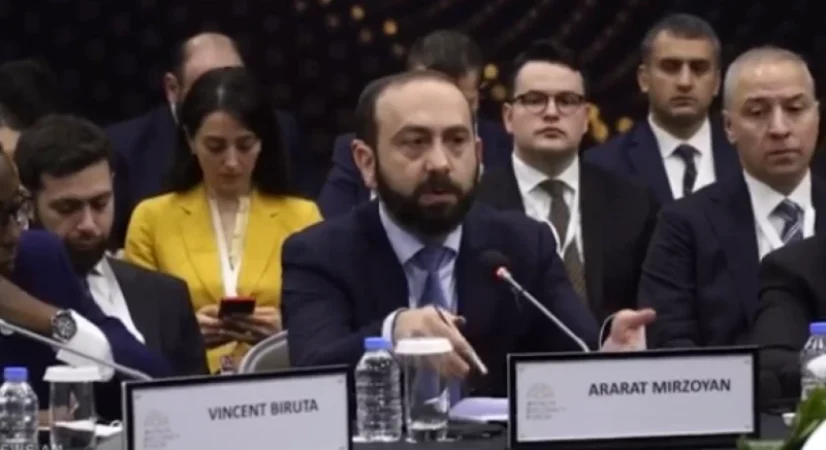
On March 2, during a diplomatic forum in Antalya, Armenian Foreign Minister Ararat Mirzoyan participated in a panel discussion on the theme of "International Trade, Connections and Connectivity." In his speech, Minister Mirzoyan particularly noted:
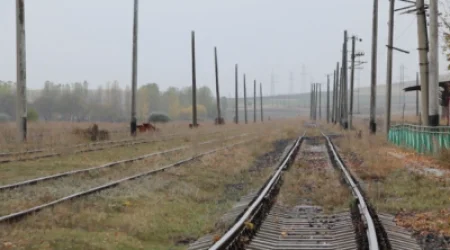
“The perception of our efforts directed towards the expansion of connectivity, international trade, and transit is that this will lead to increased interactions among people, deeper interdependence, and will be economically beneficial. As a landlocked country, we understand better the importance of international trade and connections. We not only lack access to the sea, but we also have open borders only with two out of our four neighbors; our borders with the other two neighbors have been closed for about three decades now, however, I believe that this is a topic for another discussion. For this discussion, I believe it is sufficient to mention that we are negotiating the establishment of relations and the opening of borders with our two neighbors.
As I mentioned, the issue has two components—economic and political. We believe that increasing interdependence is beneficial not only from an economic perspective, but also, as I already noted, leads to interdependency, which in turn is a significant factor on the road to achieving peace.
Developing on the topic of regional connectivity, Minister Mirzoyan added: “We believe that this can play a decisive role in our region and we wish to be engaged in regional transit routes, trade, and so on. To this end, we have developed the ‘Crossroads of Peace’ initiative, from which you can already understand that it is not only of economic nature, but, as I noted, can be a guarantee for potential peace establishment in the region. We see four necessary conditions for the opening of these infrastructures, and I will present them now. Based on just claims, they can serve as a foundation for implementing regional projects.
Thus, the first principle is that the unblocked infrastructures must remain under the sovereignty of the state through which they pass. This may seem natural, but when it comes to our region, the details matter.
The second principle is that all infrastructures must operate in accordance with the national legislation of the states. I would also like to mention the possible facilitation of these processes: we live in the 21st century; we need to make processes easier. Thus, if there is political will, we can always find solutions.
The unblocking of regional infrastructures should occur based on the principles of equality and reciprocity. For example, I cannot demand that my Iraqi counterpart use his country’s railway while denying reciprocity. Thus, there are nuances that we can work on together, if there is political will, and we, Armenia, are more than ready,” stated Mirzoyan.
Նմանատիպ հոդվածներ
Ավելին Politics բաժնից
Արաղչին` ռուսական առաջարկի մասին
Փաշինյանը հանդես է գալիս պատերին ծեփելու, ասֆալտին փռելու սպառնալիքներով. Իվետա Տոնոյան
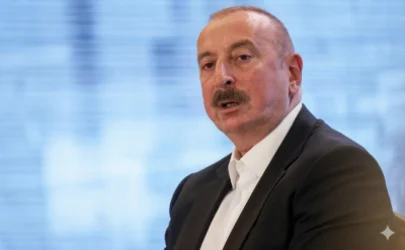
Ալիևը նորից սպառնում է «Զանգեզուրի միջանցքով»