Freedom House: Russian Peacekeeping Mission Did Little to Stop Azerbaijan's Attack in September
Freedom House has published its "Freedom in the World" report today, which addresses armed conflicts that occurred in 2023, focusing on the displacement of the Armenian population from Nagorno-Karabakh, the rise of authoritarianism in countries like Azerbaijan and Russia, and more. The information is provided by "Voice of America."
According to Freedom House's annual report, the global freedom index declined in 2023, marking the 18th consecutive year of retreat. Political rights and civil liberties weakened in 52 countries, while improvements were reported in only 21. Flawed elections and armed conflicts contributed to the decline of freedom worldwide.
The publication notes that armed conflicts and the threats posed by authoritarian regimes have made the world less secure and democratic. For example, there was a sharp decline in the freedom index in Nagorno-Karabakh, which has shifted from partially free to unfree status. This was attributed to the Azerbaijani military's attack in September of last year, the capitulation of the self-proclaimed government of Nagorno-Karabakh, and the effective expulsion of the local Armenian population.
In the backdrop of the second year of Russia's large-scale invasion of Ukraine, it has been documented that Russian occupation forces are suppressing fundamental rights in the areas of Ukraine under their control. Repression is also deepening in Russia. The report also discusses the Israel-Hamas conflict, the aftermath of the military coup in Myanmar in 2021, the situation of civilians affected by the fighting in Sudan, and more.
Referring to the achievements and losses of 2023, Freedom House again highlights Nagorno-Karabakh. The report states that armed conflicts over disputed territories have led to a decline in political rights and liberties, with Nagorno-Karabakh experiencing the largest drop of the year, losing 40 points, as nearly the entire population of around 120,000 Armenians was forced to flee due to pressure from Azerbaijani forces. This displacement has been assessed by many foreign observers as ethnic cleansing.
Freedom House reminds that Baku's military attack occurred following a six-month blockade of the Lachin corridor, the only land route connecting Nagorno-Karabakh to the outside world. Consequently, it became a severe problem for local residents to obtain essential goods such as food, medical supplies, and fuel.
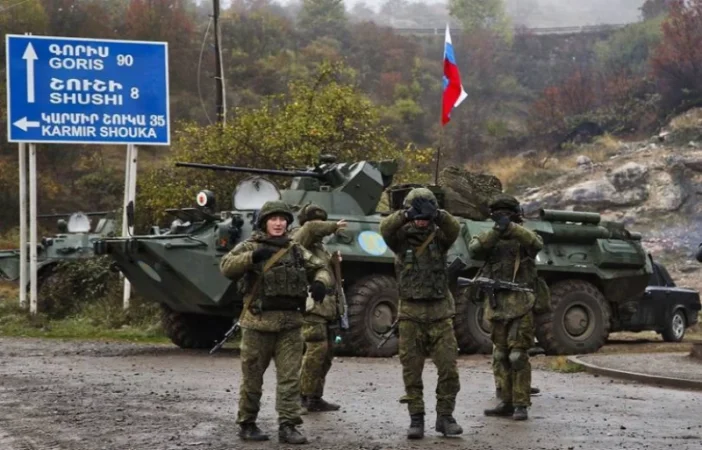
The report transmits that for nearly three decades, the Armenian population there has been at the center of an unresolved conflict between the Republic of Armenia and Azerbaijan. After a new ceasefire brokered by Russia in 2020, which halted the advance of Azerbaijani armed forces, the situation began to change again in 2022 when the Kremlin's large-scale invasion of Ukraine restricted the capabilities of Russian peacekeepers, while Azerbaijani forces began to tighten the noose around the enclave, leaving little for the "Azerbaijani regime" to resolve decades-long disputes.
The attack of Azerbaijani armed forces against Nagorno-Karabakh coincided with the strengthening of the authoritarian system in Azerbaijan and repression. According to Freedom House, since the 1990s, the Azerbaijani government has pursued a discriminatory policy against Armenians, with Armenian citizens and their descendants banned or restricted from entering the country.
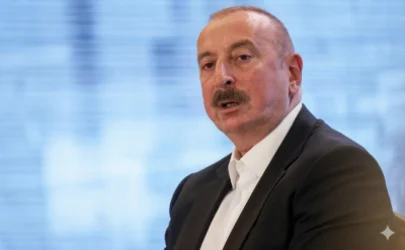
The report states that the capture of Nagorno-Karabakh has contributed to the increase in popularity of President Ilham Aliyev, who has been in power since 2003. This raises concerns that the Azerbaijani leadership might launch a new large-scale invasion of the Republic of Armenia, whose "borders have already been violated." For a new invasion, Baku may be inspired by the Kremlin's example from the north, which unlawfully seized Crimea and other territories from Ukraine.
Freedom House emphasizes that in the territories of Ukraine occupied by Russian forces, the freedoms of millions of people have been sharply restricted. In 2023, the Russian occupation authorities have continued to conscript Crimeans into the Russian army and nationalize private property. In this regard, the situation is especially dire for ethnic Ukrainians and Crimean Tatars, whose language, religion, and culture continue to be subjected to pressure from the Russian side, with the aim of Russifying the region.
Freedom House stresses that particularly in the Eurasian region, the struggle of democratic forces against rising authoritarianism is becoming evident. According to the report, the freedom index in Eurasia saw a significant drop in 2023, mainly due to the "Azerbaijani regime's" expulsion of the Armenian population from Nagorno-Karabakh, as well as the deepening of repressions in Azerbaijan, which has occurred against the backdrop of Russia's large-scale invasion of Ukraine.
Նմանատիպ հոդվածներ
Zelensky Was to Bring Armenian Prisoners Held in Azerbaijan to Armenia
Russian Foreign Ministry on Border Guards in Nerkhin Hand
Mirzoyan-Bayramov Negotiations Concluded: What We Know
Attempted Sabotage and Murder: Investigative Committee Releases Details on Azerbaijani Soldier's Incursion into Armenian Territory
Ավելին Politics բաժնից
Արաղչին` ռուսական առաջարկի մասին
Փաշինյանը հանդես է գալիս պատերին ծեփելու, ասֆալտին փռելու սպառնալիքներով. Իվետա Տոնոյան
Ալիևը նորից սպառնում է «Զանգեզուրի միջանցքով»