Will the Crisis in Relations with Russia Lead to Armenia's Exit from the CSTO? Deutsche Welle
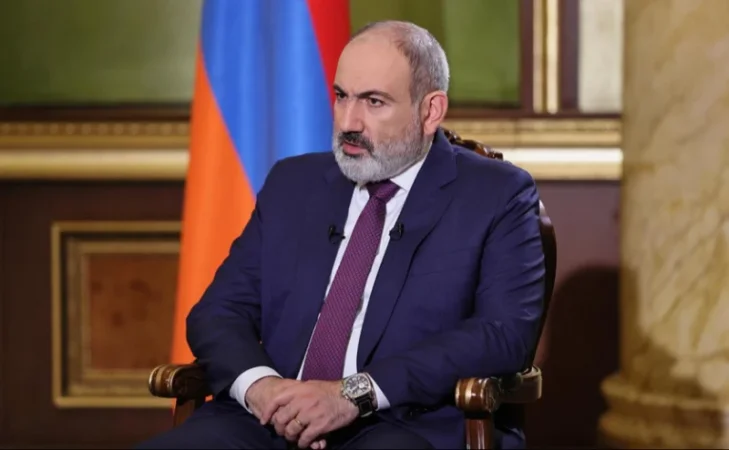
The announcement by Prime Minister Pashinyan regarding the suspension of Armenia's participation in the CSTO has sparked discussions about changes in the country’s foreign policy. This was reported by Deutsche Welle.
It is noted that Armenian experts forecast a further deterioration in relations between Yerevan and Moscow. Experts interviewed by DW claim there is nothing new in Prime Minister Nikol Pashinyan’s recent announcement about suspending Armenia’s participation in the Collective Security Treaty Organization (CSTO). According to them, Pashinyan has merely acknowledged an existing fact.
“The Prime Minister's statement only confirms that Armenia's membership in the CSTO is suspended. We all knew or sensed this, but it was not officially formulated,” said Stepan Safaryan, director of the Armenian Institute of International and Security Affairs.
Pashinyan’s statement about the suspension of Armenia's participation in the CSTO has been described by Armenian political scientist Alexander Iskandaryan as a reflection of the crisis in Yerevan and Moscow's relations. “This crisis has always existed with other CSTO countries as well. Pashinyan’s announcement merely documented the existing situation,” Iskandaryan explained.
Experts do not rule out that Armenia, especially in light of its diversification of contacts in the security sector, may decide to exit the CSTO at some point, but they do not predict when and under what conditions this might happen. “Such a move would, however, lead to negative reactions from Russia. Formal participation in the CSTO maintains a certain regime in relations with Russia,” Iskandaryan noted, while also pointing out that although Armenia is dissatisfied with the CSTO, it does not have particularly viable alternatives.
“There is no other military-political alliance into which it could enter and secure its own safety,” he explained. Alongside this, Armenian experts predict further deterioration in relations between Yerevan and Moscow in the future.
Stepan Safaryan points out that the crisis in relations between Armenia and Russia will only escalate and could potentially turn into an open confrontation. “In this situation, it is crucial to manage risks effectively,” he concluded.
Prime Minister Pashinyan announced the suspension of Armenia's participation in the CSTO, a regional military-political alliance that also includes Belarus, Kazakhstan, Kyrgyzstan, and Tajikistan, during an interview with France 24 on February 22. He described it as a consequence of the CSTO failing to fulfill its obligations in the security sector towards Armenia, particularly during the years 2021-2022.
“In practical terms, this means that we have effectively frozen our participation in the CSTO. What will happen tomorrow will become clear tomorrow,” Pashinyan said in response to a journalist's question about Armenia's possible exit from the CSTO.
After the 2020 Nagorno-Karabakh war, when mediators sought to achieve a comprehensive peace agreement, a series of serious military clashes reminded everyone how unstable the situation remains at the Armenia-Azerbaijan border. At that time, Azerbaijani troops, according to Yerevan, invaded the country's territory and seized dominant heights in the border areas. Armenia appealed to the CSTO and Russia, hoping for military support in its standoff with Azerbaijan and a political assessment of Azerbaijan's aggression against Armenia's sovereignty. After the expected reaction from allies did not follow, relations between Yerevan and other CSTO members continued to deteriorate, and Armenia ceased participation in meetings of the military alliance at all levels.
Pashinyan's announcement regarding the
Նմանատիպ հոդվածներ
Ավելին Politics բաժնից
Ռուբիոն զգուշացրել է ԱՄՆ-Չինաստան հակամարտության աղետալի հետևանքների մասին
«Ուժեղ Հայաստան»-ը հրապարակել է Ազգային ժողովում իր խմբակցության կազմը
Ֆրանսիայից արձագանքել են Իսպանիայի դուրսբերմանը Շենգենյան համաձայնագրից