Ukraine Hopes the US Will Help Rebuild the Country After the War, as Kosovo's Example Shows: Politico
Two years after the start of the Russian invasion, the Ukrainian government's hopes are primarily tied to US support not only during the military operations but also after their conclusion. However, history shows that Kyiv should not expect too much from Washington.
In the partially recognized Republic of Kosovo, which many in the US view as a major diplomatic success of the last decade following its exit from Serbian control, American sponsorship has not contributed to either economic or social development. Politico has revealed that politicians and entrepreneurs arriving from abroad are much more interested in personal gain than in assisting the young state.
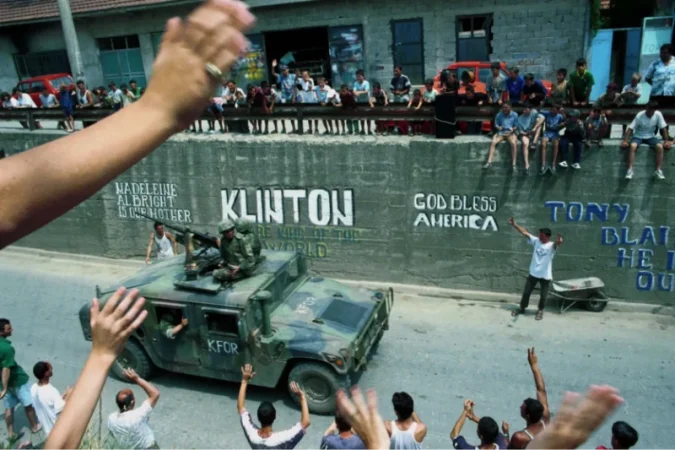
In Kosovo, Americans are regarded as benefactors. Nevertheless, the republic remains one of the poorest in Europe. In contrast to Iraq and Afghanistan, where the local population was largely hostile to the American troops, the United States is still considered a benefactor state in Kosovo for helping to expel the Yugoslav forces in 1999. Subsequently, NATO forces, under the command of American General Wesley Clark, halted the ethnic cleansing of Albanians by Serbs and brought the region under UN control.
Since then, numerous monuments have been erected in Kosovo praising the American involvement in the struggle for independence from Belgrade. Statues of American political and military leaders have been erected, and streets and squares have been named in their honor. Former President Bill Clinton and Madeleine Albright, who served as Secretary of State during his administration, are particularly revered in Kosovo. Locals often tell tourists how boys born after the war are frequently named Clintons and girls Madelens.
Washington's relations with Pristina are characterized exclusively positively, serving as a primary (and perhaps the sole) example of how US intervention in NATO helped save lives and prevent an escalation of violence. One American diplomat, speaking with Politico writer Matthew Carnicelli, assured that he and his colleagues 'proudly remember Kosovo in their hearts.'
However, according to numerous objective criteria, the US actions in Kosovo cannot be unequivocally evaluated as successful. American interests in the region mostly stem from their own profits rather than supporting the local population and developing the economy. One of the clearest examples of this attitude is Kosovo's energy infrastructure, which remains in a deplorable state even a quarter of a century after the war. Electricity supply depends on two outdated and environmentally harmful coal-fired power plants (one of which began operating in 1962). As a result of these sectors, Pristina is considered one of the most polluted cities in Europe.
Նմանատիպ հոդվածներ
French Defense Minister Sébastien Lecornu Arrives in Armenia
Our Problem is That We Haven't Confronted This Truth and Haven't Told Our People About It: Nikol Pashinyan on the Right to Self-Determination of Artsakh
The Safety of Residents in Nerkin Hand is Completely Disrupted: Arman Tatoyan

Ararat Mirzoyan and Sergey Lavrov Held a Phone Conversation
Ավելին Politics բաժնից
Արաղչին` ռուսական առաջարկի մասին

Փաշինյանը հանդես է գալիս պատերին ծեփելու, ասֆալտին փռելու սպառնալիքներով. Իվետա Տոնոյան
Ալիևը նորից սպառնում է «Զանգեզուրի միջանցքով»