Driver of tinted glass vehicle wins court case: citizens cannot be fined without legal basis
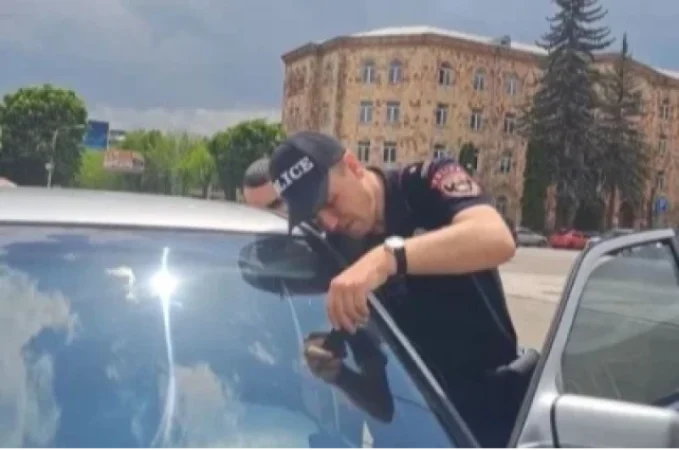
Yerevan (Jurapress) – The newspaper 'Hayots Ashkharh' reports that former Health Minister and ruling party member Arsen Torosyan addressed the reasons for traffic accidents last year in a Facebook post. According to him, the tinting of car windows plays a significant role, negatively affecting visibility, which often leads to accidents.
This post and the proposed legal amendment sparked panic among drivers, leading many to remove window tints from their vehicles. Subsequently, fines began flooding into the state budget. Parliament member Andranik Kocharyan mentioned that driving a vehicle with tinted windows had been prohibited by law for some time, but fines were not enforced due to a lack of devices to measure the degree of tinting.
Furthermore, the basis for fining drivers is rooted in the “Safety of Wheeled Vehicles” technical regulation of the Eurasian Union. Recently, after a report by ArmLur.am discussing the implementation of this law and privileges for certain drivers, one citizen responded, stating that he was fined 25,000 drams and subsequently appealed in court, winning the case.
The essence of the matter is that a police officer fined the citizen for exceeding the allowable transparency threshold of the vehicle's windows, citing Article 6, clause “a” of annex 2 of government decree No. 955-N, as well as Article 4.3 of the customs union technical regulation on the safety of wheeled vehicles.
The plaintiff challenged the fine, claiming it was unjustified and subject to annulment. He insisted that the police provide the technical equipment used for measurement, but the officer only stated that the measurement was performed using whatever device was available. The officer’s failure to comply with the plaintiff's request constituted a violation of rights, leading to the imposition of an unwarranted administrative penalty.
The plaintiff also pointed out that the provided materials from the police were missing documentation confirming the technical specifications of the measurement device, a requirement stipulated by the law on “Ensuring Road Traffic Safety.”
The plaintiff's legal knowledge enabled him to argue effectively before the court. Upon reviewing the administrative court's arguments and the evidence presented, it was concluded that the process of evidence evaluation requires a logical assessment. This means that the penalties under Article 123 of the Administrative Code do not reference the aforementioned customs union technical regulations.
Therefore, citizens cannot be fined if the law does not reference the customs union's technical regulations. Moreover, following the court’s decision to uphold the citizen's appeal, the fine of 25,000 drams was ordered to be refunded in favor of the plaintiff.
Նմանատիպ հոդվածներ



Ավելին Society բաժնից

Լսել են, որ երեխան գետի մեջ գոռացել ա՝ մամա ջան, օգնեք. մանրամասներ

Քաղաքացին պետք է առնվազն 6 ամիս բնակված լինի Հայաստանում. Կոնջորյանը մանրամասնել է՝ ինչ է նախատեսվում

Փամբակ գետն ընկած քույրերի որոնումները վերսկսել են. ինչ է հայտնի