Archaeologists Reveal How Children with Down Syndrome Were Buried in Ancient Times
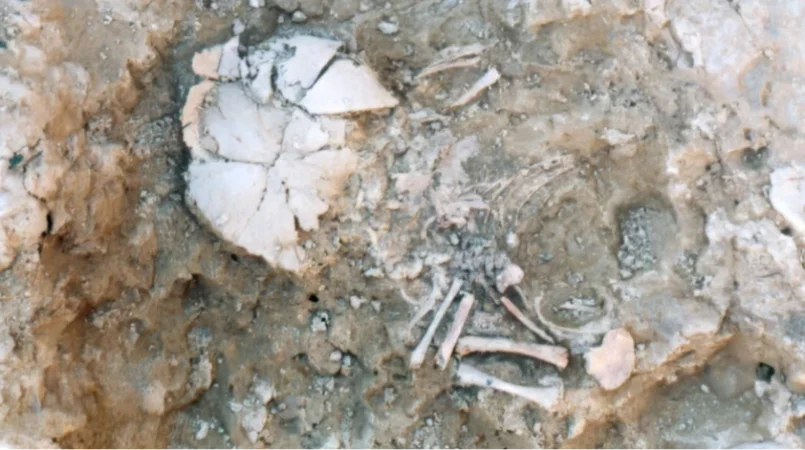
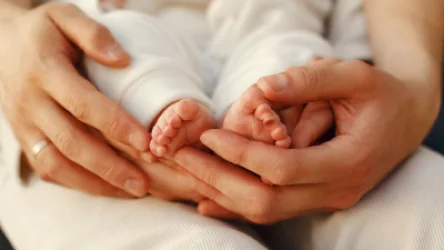
Thousands of years ago, children born with Down syndrome rarely lived beyond one year in what is now Europe, but their families treated them as special children and buried them in their homes. This conclusion has been reached by German archaeologists in a paper published in the journal Nature Communications.
The question of how representatives of ancient cultures treated relatives suffering from certain physical or mental conditions has been studied for several decades by specialists in physical anthropology. One way to answer these questions is by examining the skeletal remains of individuals who carry specific mutations or have physical developmental deviations.
For several years, scientists at the Max Planck Institute for Evolutionary Anthropology have been studying the DNA of people who lived tens of thousands of years ago. This allows them to make conclusions about the migration and intermixing of various ancient societies and even uncover unknown pathogens. However, until recently, no one systematically analyzed the rare genetic abnormalities in the DNA of ancient human remains.
Scientists were particularly interested in Down syndrome, a congenital anomaly where a child has a complete or partial extra copy of the 21st chromosome. Nowadays, about one in a thousand children is born with this syndrome.
“We have discovered six cases of Down syndrome and one case of Edwards syndrome (trisomy 18) in the study of 9,855 historical and prehistoric human genomes, analyzed using a new Bayesian method developed for ancient DNA analysis. Regarding the six cases of Down syndrome, one carrier's remains were found in a Finnish ecclesiastical cemetery dating back to the 17th-18th centuries, while the other five lived much earlier, between 2,500 and 5,000 years ago. Their remains were discovered in Bronze Age burials in Greece and Bulgaria, as well as in Iron Age Spain,” the study states.
Today, thanks to medical advancements, individuals with Down syndrome have a significantly longer life expectancy, but this was not the case thousands of years ago. The analysis of the remains has shown that all belong to newborns, of which only one lived past one year. At the same time, the burials of these individuals have provided crucial additional information.
Five neonatal burials have been discovered not in cemeteries but within homes, and some contained jewelry such as colored shells, bronze rings, and marine shells. The oldest burial, dating back to 2898-2700 BCE, belongs to a 6-year-old girl buried in a clay vessel underneath the floor of a house located in present-day southern Bulgaria.
“These burials show us that children were cared for and accepted as members of ancient communities,” says Adam Rorlach, one of the authors of the study.
As for Edwards syndrome, whose frequency these days is even lower, with one case in every three thousand births, the only carrier belonging to this mutation was also discovered in Spain during excavations, which perplexed scientists. “At this moment, we cannot say why we find so many of them in these locations,” says Roberto Risch, a specialist in burial rites and co-author of the study. “But we know that they belonged to the few children who had the privilege of being buried inside their homes. This alone speaks to the fact that they were regarded as special children,” notes Risch.
As experimental data increases, scientists hope to expand the geography of their research. “We would like to know how ancient societies treated those individuals who needed help or were somehow different,” explains Kay Pruefer, a coordinator of genomic analysis.
Նմանատիպ հոդվածներ
The Gunfire Today Originated from a Location Intruding 2.16 km into Armenia, Says Tatoyan

At least 20 poisoned after dining at Juli's café

Azerbaijan Spreads Another Falsehood, This Time About Saghmosavank and Noravank: Tatoyan
Photos: Another Church in Central Tbilisi, St. Minas, in Despairing Condition
Ավելին Society բաժնից
Նոր փոփոխություն՝ նպաստների համակարգում․ կգործի հուլիսի 1-ից

ԲԱՑԱՌԻԿ․ ԱԱԾ նախկին տնօրեն Արթուր Վանեցյանն առողջական լուրջ խնդիրներ ունի

Լավ լուր․ առողջության ապահովագրություն բոլորի համար. ինչ ծառայություններ կներառվեն