2024 Will Be a Critical Year: Violence Threat Persists in Southern Armenia, Says Thomas de Waal

2024 will be a critical year in the South Caucasus. This was expressed by British expert Thomas de Waal in an article published on the Carnegie Endowment's website. He noted that the issue between Azerbaijan and Armenia is resurfacing, questioning whether the year will be one of war or peace.
"Negotiations are ongoing regarding a bilateral peace agreement that will regulate the relations between the two countries after thirty years of conflict, yet there is still a threat of violence in the south of Armenia, particularly in the region known as Syunik, historically referred to as Zangezur," de Waal explains, referencing the incident on February 13, where four Armenian servicemen were killed by Azerbaijani fire near the village of Nerkhin Hand.
"This is an area close to Azerbaijan where EU monitoring mission observers have previously been denied access by Russian border guards," the expert noted.
According to him, Azerbaijan's military aggression in Artsakh in September of last year accelerated the cooling of relations between Azerbaijan and the West, which until then had been attempting to mediate a peaceful resolution to the conflict. Against this backdrop, Armenia-Russia relations are undergoing a significant decline, while the EU is increasing its engagement with Armenia.
De Waal recalls that a contested issue remains the reopening of a 43-kilometer closed corridor or transit route through Armenian territory, which would connect the main part of Azerbaijan with the Nakhchivan exclave bordering Turkey. "Azerbaijan is interested in reuniting its territories with routes that would be under as little Armenian control as possible. Armenia does not desire to cede sovereignty or security in its strategically significant southern border region," he states, pointing out that Azerbaijan insists that Russian Federal Security Service (FSB) border guards should supervise rail and road connections.
They reference the trilateral statement on the ceasefire from November 2020 between Russia, Armenia, and Azerbaijan, which mentions this point. "In January, Russian Foreign Minister Sergey Lavrov again asserted that this provision must be implemented. Conversely, the Armenian side is working to rid itself of Russian influence, including the border guards stationed there since the collapse of the Soviet Union. It would be a significant strategic blow if the Russians remain at the behest of Azerbaijan. In Armenia, there is a suspicion that a deal exists between Baku and Moscow, which Ankara has quietly agreed to. There are at least indirect pieces of evidence supporting this. For the Russians, controlling the transit route would be a significant achievement. For the first time in decades, they would officially be handed control over a section of the railway connecting Russia and Iran and the routes to the Persian Gulf. This would be Russia's main north-south rail route, restoring its connections to the Middle East...
The troubling scenario is that a peace treaty will not be signed as long as Azerbaijan does not obtain what it wants in southern Armenia. In other words, in 2024, Armenia will likely find itself under significant pressure from both Baku and Moscow to join the Zangezur corridor plan, which is not favorable to either Yerevan or Western powers. This is why local incidents of violence, such as the one near Nerkhin Hand, must be closely monitored. Such small clashes can lead to new conflicts and catastrophic consequences for the entire region,” emphasized the expert.
Նմանատիպ հոդվածներ
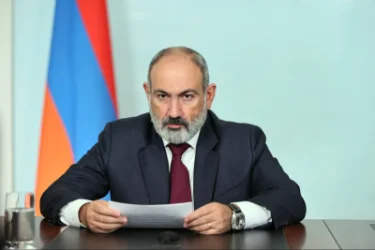
Azerbaijan is Moving Towards the Prospect of Starting a Full-Scale War Against Armenia: Pashinyan
Search Underway at Vahan Kerobyan's Office
A Sniper Worked on Everyone: Sasun Mikayelyan on the 4 Victims and Injured in Nerkin Hand

Russian Deputy Foreign Minister Comments on Azerbaijani Gunfire Near Nerkhin Hand
Ավելին Politics բաժնից
Փաշինյանն ու Պուտինը քննարկել են սահմանափակումների հարցը

Մոսկվայից կոչով դիմել են ԱՄՆ-ին
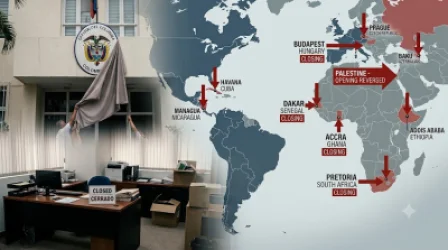
Կոլումբիան փակում է իր դեսպանատներն Ադրբեջանում և մի քանի երկրներում