Not a border but maps must reflect the borders established by the Alma-Ata Declaration, says Pashinyan
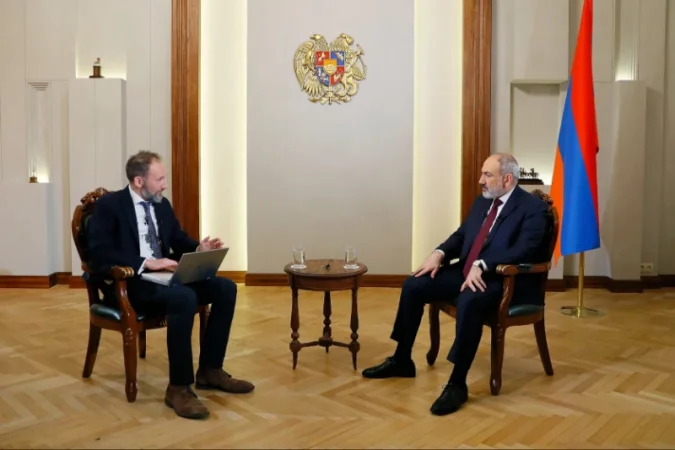
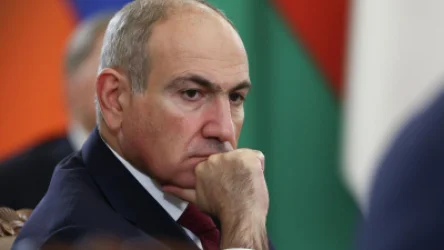
The Alma-Ata Declaration should serve as the foundation for the demarcation and delimitation of borders between the two countries, meaning that the borders confirmed and reaffirmed by the Alma-Ata Declaration must be represented on the ground and on maps during the border demarcation process between Armenia and Azerbaijan. This was stated by Armenian Prime Minister Nikol Pashinyan in an interview with Roland Oliphant, an international commentator for The Telegraph.
“First, it should be noted that the principles of peace between Armenia and Azerbaijan have been agreed upon in three international formats. The first took place on October 6, 2022, during a quadrilateral meeting in Prague, attended by French President Emmanuel Macron, President of the European Council Charles Michel, Azerbaijani President Ilham Aliyev, and myself, where, after long discussions, we adopted a joint statement establishing the principle that Armenia and Azerbaijan recognize each other's territorial integrity based on the 1991 Alma-Ata Declaration.
What does this mean? The Alma-Ata Declaration is about several things, and it was signed by 12 republics that were part of the Soviet Union. By signing this declaration, they established several things. First, the Soviet Union ceases to exist, and these republics, becoming sovereign states, recognize each other's territorial integrity, inviolability of borders, and sovereignty. Thus, according to the Alma-Ata Declaration, the existing administrative borders between the Soviet republics become state borders.
Why do I say this? Because the Alma-Ata Declaration states that these republics accept the existing borders, meaning that they recognize the inviolability of the borders that existed at that time. And of course, there is a very important nuance that I want to emphasize: the Armenian parliament ratified the Alma-Ata Declaration and the related packages in 1992, while the Azerbaijani parliament ratified it later. Many events have taken place since the signing and ratification, but in this context, it is very important to note that on October 6 in Prague, in the presence of the French President and the President of the European Council, Armenia and Azerbaijan have essentially reaffirmed their recognition of each other's territorial integrity based on the Alma-Ata Declaration.
The second important point is that the Alma-Ata Declaration should become the basis for the demarcation and delimitation of borders between the two countries. This is also a crucial principle, meaning that during the border demarcation process between Armenia and Azerbaijan, there should not be a creation of a new border, but rather the borders confirmed by the Alma-Ata Declaration should be represented on the ground and on maps.
This is the first fundamental agreement. After that, on October 30, a trilateral statement was signed by the presidents of Russia, Azerbaijan, and myself, where Armenia and Azerbaijan declared in writing that they recognize each other's territorial integrity and sovereignty and declare that they will refrain from using force or the threat of force, and will resolve all issues through negotiations. This agreement has also become the basis for the formation and articulation of the third fundamental principle, which means that the opening of communications in the region, the unblocking of roads will occur within the framework of respect for the sovereignty and jurisdiction of the countries, and this principle, along with the previous two principles, has been recorded following trilateral meetings held in Brussels on May 14 and July 15.
Moreover, everything I am saying refers to public documents. What does all this have to do with your question? The connection is that the architecture and principles of the peace treaty between Armenia and Azerbaijan have indeed been agreed upon, and at the end of last year, we thought we were very close to finally agreeing on a text of the final treaty. However, Azerbaijan initially refused three times to participate in negotiations in various formats, after which presidential elections were scheduled in Azerbaijan. We are essentially at this impasse, and I assume that after the presidential elections, we will be able to reach implementation with regard to these points, if there is political will. I can record that the Armenian government, as before, has that political will to move towards concrete peace in our region and sign a peace treaty with Azerbaijan based on the aforementioned agreements,” Pashinyan stated.
Նմանատիպ հոդվածներ
In Armenia, I Do Not Decide Who Gets Arrested and Who Doesn’t: Pashinyan on the Likelihood of Putin's Arrest in Armenia

New Minefield Reference Manuals Transferred to Baku on January 26, Says Foreign Ministry Spokesperson
Ադրբեջանը սկսեց տեղային, բայց ծավալուն հրաձգություն՝ ԱԹՍ-ների կիրառմամբ, դժբախտաբար զոհվեց 4 զինծառայող. Փաշինյան
Our Understanding of the Territory of Armenia Exactly Matches Our Understanding of the Territory of the Armenian SSR, Says Pashinyan
Ավելին Politics բաժնից
Ադրբեջանի տարածքային ամբողջականությունը ճանաչել ենք․ Փաշինյան

ԿԳՄՍ նախարարը՝ մինչև 16 տարեկան երեխաների մուտքը սոցիալական ցանցեր սահմանափակելու մասին
Հունաստանի կոպիտ արձագանքը՝ Թուրքիայի ընդունած նոր օրենքին