Government Must Label This as Ice Cream, and Anything Unlabeled is Not Ice Cream: Pashinyan
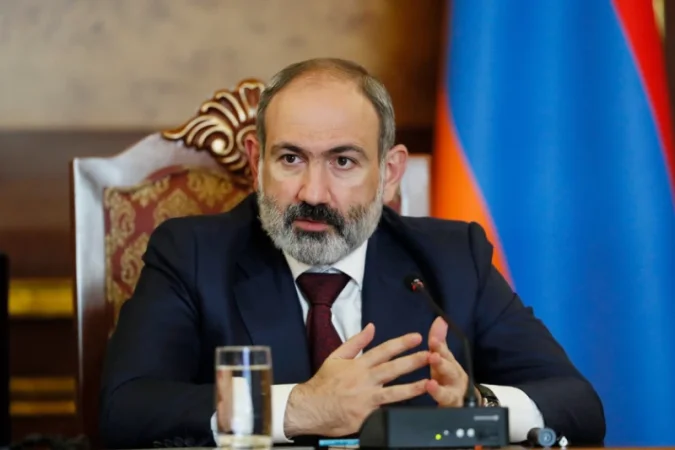
During a meeting led by Prime Minister Nikol Pashinyan, the report of Gegham Gevorgyan, the chairman of the Competition Protection Commission, regarding his activities from 2019 to 2023 was discussed.
Before the presentation of the report, the government leader stated: “As agreed, today we will hear the report on the activities of Gegham Gevorgyan, the chairman of the Competition Protection Commission, over the past five years, so that we can also discuss the issue of nominating a candidate for the position of chairman of the Commission in a government format.”
The chairman of the Competition Protection Commission presented the work carried out during the reporting period aimed at the development of a competitive environment, protection of consumer interests, and enhancement of the Commission's institutional capabilities. Details were provided regarding reforms in the regulatory sectors of the Commission, development of new regulations, crisis management aimed at market stability and reducing the risks of anti-competitive situations, and the development of internal resources and legal frameworks.
Gevorgyan noted that prior to 2018, anti-competitive actions of state bodies were not subject to investigation by the Commission, but in recent years, inquiries in this direction have been conducted. According to him, this is an important observation as businesses must also feel protected by the state against potential violations of competitive activities.
Since 2019, the Commission has been undertaking a new function directed at studying food and non-food commodity markets of social importance. “The essence lies in us entirely studying a specific commodity market, identifying the legal and economic barriers to entry, and offering recommendations to policy-making bodies on what needs to be changed for the market to be more competitive and developed,” the chairman stated.
Gevorgyan emphasized that in 2023, the Competition Protection Commission became a member of ICPEN, one of the most authoritative organizations in the world in the field of consumer rights protection.
Regarding specific points of the report, the Prime Minister underscored the importance of assessment tools for consumer rights protection and competition in the Republic of Armenia. He also addressed the issue of food production standards available in the market, stating that the Government should take responsibility for what products are sold to people, meaning that there must be labeling on products indicating whether they meet standards and are safe.
“The government must label this as ice cream, and anything unlabeled is not ice cream,” Pashinyan noted.
Meeting participants also discussed violations related to discounts made by businesses. The Prime Minister indicated that it is necessary to implement such policies that not only penalize those businesses that have committed violations but also encourage those that have not. “We should thank those people, say that we appreciate how you operate. For behavioral change, we must not only punish bad practices but also promote good conduct,” he emphasized.
Pashinyan addressed the issue of illegal markings made by owners of properties or stores along state-owned roadside areas in various parts of the republic, stating that these areas are being used without any legal basis, resulting in safety issues on roads, reducing traffic speed, and not paying any resources to the state budget by private entities. In this regard, the Prime Minister has given specific instructions to those responsible.
The Prime Minister inquired how the prices of basic essential goods available in the market are monitored, for example, the price of gasoline, diesel fuel, or how the issue of egg price increases is managed ahead of Easter. Gegham Gevorgyan mentioned that the Commission is monitoring the entire import chain, including taxes, transportation costs, stock prices, etc. For other products, the price differences are considered in similar markets. Regarding the potential increase in egg prices, the chairman indicated that the issue was resolved after certain fines were imposed. According to Gevorgyan, the same applies to the gasoline market.
Նմանատիպ հոդվածներ
Zakharova on the Destruction of Monuments in Artsakh by Azerbaijan
“There is an Agreed Article in the Text of the Peace Agreement,” Says Pashinyan
‘Armenian History Is the Story of the Absence of Statehood’: Pashinyan
Prime Minister's Speech Manipulated and Taken Out of Context, Says Nazeli Baghdasaryan
Ավելին Politics բաժնից
Արաղչին` ռուսական առաջարկի մասին
Փաշինյանը հանդես է գալիս պատերին ծեփելու, ասֆալտին փռելու սպառնալիքներով. Իվետա Տոնոյան
Ալիևը նորից սպառնում է «Զանգեզուրի միջանցքով»