Ruling Party MP Discusses Changing the Armenian National Emblem and Anthem
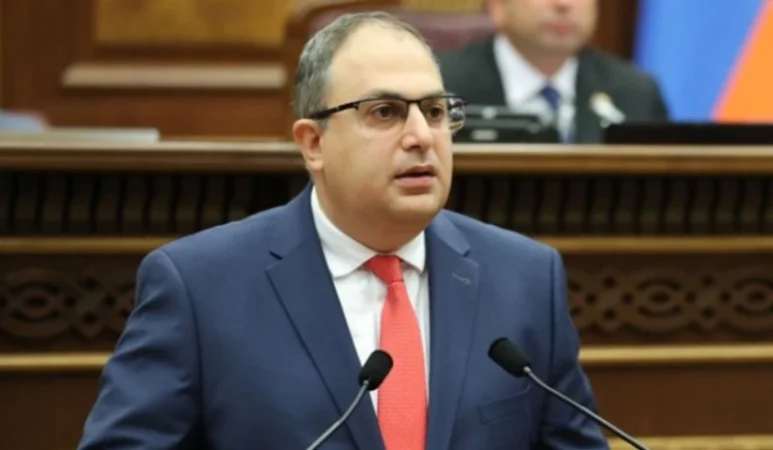
Issues of symbolic significance should be taken very seriously; I cannot respond to that issue off the cuff,” stated Vladimir Vardanyan, a ruling party MP and chairman of the Legal Committee, during a press conference in the National Assembly today, addressing proposals to change the national emblem and anthem of Armenia.
“From a symbolic perspective, our national emblem was created in 1918, and there are several interpretations of it. In 1991, it underwent certain adjustments, followed by a change in colors. In many cases, situations arise where, for example, a symbol that has always been viewed positively has acquired a different perception due to global changes. For instance, no one could have perceived it as a smiley face in 1991, because the symbol of a smiley face either hadn’t been invented, or hadn’t gained such popularity. There have been symbols that have constantly been viewed in one context, and later started to be used by another ideology, which is why the positive meaning of that symbolism has turned negative, and a need for change has arisen,” he noted.
Commenting specifically on Armenia's national emblem, Vardanyan said, “Our emblem features the lion of the Rubinyans, the leopard of the Bagratids, and the two eagles of the Arshakunis and Artashesians, all depicted around a symbol of the sun, which seems to come from the Bagratid era, with the double-headed eagle, which also has a connection to the Byzantine eagle. Unfortunately, I have to state that due to the absence of Armenian statehood since the Kingdom of Cilicia, we have not had the opportunity for heraldic developments. If we study the shield that exists on the emblem and compare it to the heraldic shield used by Yerevan's city hall, we can see they are different shields.”
In response to the suggestion to remove Mount Ararat from the emblem, the MP urged a broader perspective on the issue: “The Constitution is not a document directed towards the past. The Constitution is a document directed towards the present and the future. If we examine the practice of the development of the Armenian Constitution, we see that this is the fourth Constitution of Armenia, and to be honest, it is the sixth. When we compare the 1995 Constitution with the 2005 Constitution, and 2005 with the 2015 Constitution, we see that they are new Constitutions, simply regarded as amendments to the Constitution. The nature of the state, the form of governance, the model, the institutions, and the relationship of powers have significantly changed from 1995 to 2015.”
Նմանատիպ հոդվածներ
Russian Ministry of Foreign Affairs on Armenia's Withdrawal from CSTO

Ani Isprian Granted House Arrest
We Can Show with Meter Deviations Where the Armenia-Azerbaijan Border Passes: Speaker of Parliament

Extraordinary City Council Meeting Agenda Includes Motion to Terminate Haik Marutyan's Powers
Ավելին Politics բաժնից
Արաղչին` ռուսական առաջարկի մասին
Փաշինյանը հանդես է գալիս պատերին ծեփելու, ասֆալտին փռելու սպառնալիքներով. Իվետա Տոնոյան
Ալիևը նորից սպառնում է «Զանգեզուրի միջանցքով»