Huge Resources Are Being Spent, But People's Lives Are Not Improving, This Is the Problem: Nikol Pashinyan
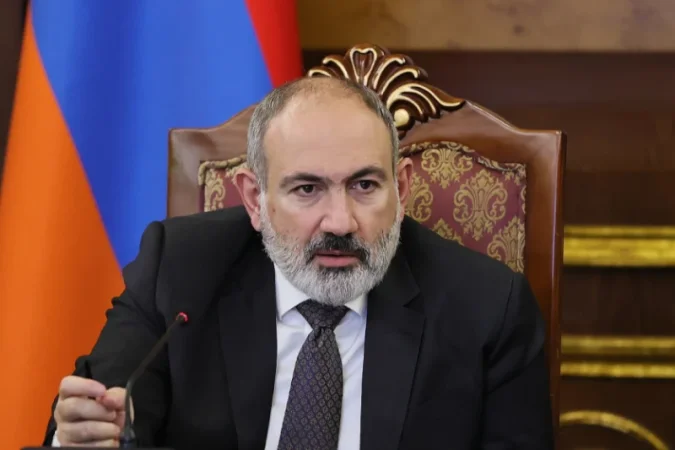
Prime Minister Nikol Pashinyan chaired a consultation during which the draft concept for a new system of assessing insecurity was discussed. The draft was developed based on the directive of the Prime Minister, by an inter-agency commission established in 2021.
Pashinyan addressed the data presented at the Government session regarding the average monthly salary, stating, "The average monthly salary in December 2023 was 356,180 drams, which is 133,399 drams or 59.9 percent higher than it was in December 2018, slightly below my expectations. Compared to December 2022, it has increased by 25,273 drams or 7.6 percent."
In presenting the concept of the new insecurity assessment system, Deputy Minister of Labor and Social Affairs Anna Zhamakochyan first outlined the existing issues regarding the current assessment system's formula, targeting, and efficiency.
She later provided details on the policy for implementing the new system, its objectives, the new formula, and the hybrid verification method underlying the system. According to Zhamakochyan, the flaw of the current system's formula is that it measures presumed insecurity based on indirect assessments of vulnerability, making income calculations secondary.
"The most important thing that needs to change is the formula modification in the new system, meaning not just the procedures, not just the targeting, but the very logic of the formula itself. Considering this, the hybrid method of fund verification has been chosen as the basis of the new formula. At this moment, it is crucial to focus on measuring incomes within the formula's logic, so that the real picture of our insecurity and assessed insecurity is visible and comprehensible, measurable by the policies implemented by the Government," stated the Minister of Labor and Social Affairs.
According to Zhamakochyan, the right to benefits under the new method will be determined based on the income managed by the family. The target of the new system is defined as extremely poor families with monthly incomes below the minimum food basket equivalent to one adult member.
"This model proposes to target extremely poor groups and achieve the goal set by the Government, which is to have 0 percent extreme poverty," said the deputy minister.
She noted that through the activation incentives of the new system, necessary efforts will also be made towards enhancing the capabilities of families registered in the insecurity system to obtain employment and improve living conditions. Integrated case management will be carried out based on the comprehensive needs of families, facilitating social work.
Regarding encouraging individuals to work, the Prime Minister emphasized that there are various programs in the job market and added, "We can plan further incentives to provide motivation for both the employer and the employee. What is the nuance of what I’m saying? A person has been in the benefits system for 20 years, and for 20 years the state has spent huge resources on them, but their life is not improving because of it. This is the problem. We need to approach this program within the logic of these 20 years, because we can accompany them with subsidy, income tax, or other programs until the work we speak of changes their mentality."
The discussion around the project involved an exchange of ideas, with observations presented regarding the transition from the old system to the new system, steps for launching the new system, characteristics of the hybrid method, and expected results.
In summary, the Prime Minister noted that based on the outcomes of the discussion, it can be recorded that the package has been developed, and work can commence on the implementation of the new system.
Նմանատիպ հոդվածներ

Ավելին Politics բաժնից
Իրանի զգուշացումը․ Ոմանք ուզում են տարածաշրջանը տանել պատերազմի
Լավրովը բացահայտել է Պուտինի հայտարարության հետևանքով բարձրացած աղմուկը
Էսկալացիա` հայ-ռուսական հարաբերություններում. The European Conservative