Azerbaijan Transforms Shushi into 'Cultural Capital of the Islamic World' While Erasing Entire Armenian Heritage of the City
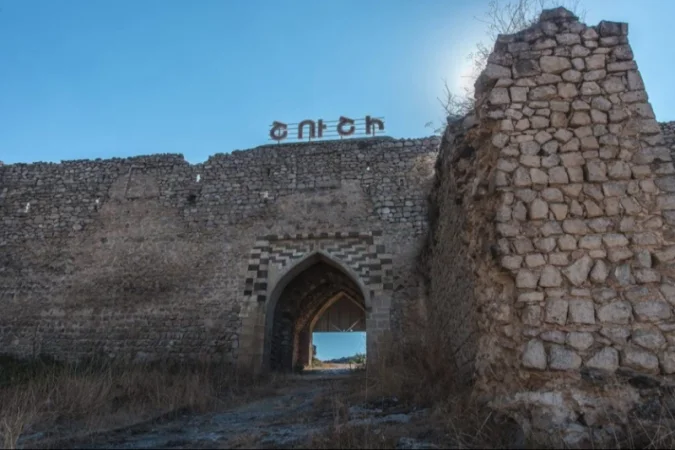
The Azerbaijani government has approved a plan to declare Shushi the 'Cultural Capital of the Islamic World,' which also includes events dubbed 'Shushi Days' and various other 'cultural' activities in Islamic countries.
The 'Gardman-Shirvan-Nakhichevan' pan-Armenian union has issued a statement regarding Azerbaijan's declaration of Shushi as the 'Cultural Capital of the Islamic World' for 2024. The statement emphasizes that Azerbaijan is essentially transforming Armenian Shushi from 'the cultural capital of Azerbaijan' into 'the cultural capital of the Islamic world,' while simultaneously destroying and distorting the city's entire Armenian heritage. This includes altering the architecture of the Saint Ghazanchetsots Church, which was subjected to artillery fire during the war, and vandalizing the Shushi cemetery under the pretext of road construction.
All of this is happening within the framework of a program aimed at preventing the return of displaced Shushi Armenians. Prior to the war on September 19-20, 2023, and the subsequent ethnic cleansing, Azerbaijan was obligated, under point 7 of the trilateral agreement from November 9, to allow refugees, including those from Shushi, to return to their homeland.
Shushi, plagued by the policies of racism, has tragically witnessed Armenian massacres before. A hundred and four years ago, the Armenian population of Shushi once again faced an existential threat from the extremist pan-Turkist, pan-Islamist, and fiercely anti-Armenian Governor-General Khosrov Bek Sultanov, who made the first attempts in 1919 to incite Armenian massacres. Khosrov Bek Sultanov, being one of those responsible for the massacre of over 30,000 Armenians in Baku in 1918, had mastered the practice of massacre and the possibilities of impunity, which he fully applied in the process of displacing Armenians from Shushi. Before proceeding to the massacre of the city's Armenian population, Khosrov Bek Sultanov had removed the treasury and telegraph offices from the Armenian part of the city and closed the Shushi-Goris road. In the 1920 Shushi massacres, more than 20,000 Armenians fell victim. Shushi was virtually emptied of Armenians. This was part of the Musavatist Azerbaijan’s plan to fully subjugate Nagorno-Karabakh to Azerbaijan.
A detailed examination of the historical past allows one to argue that Azerbaijan's current regime has greatly 'benefited' from past experiences regarding the violence perpetrated against the Armenian population of Nagorno-Karabakh over the last three years—particularly through illegal road blockades, the use of brute force, and unguaranteed assurances of security, the end result of which is ethnic cleansing, just as it was 104 years ago, and continues today.
The 'Gardman-Shirvan-Nakhichevan' pan-Armenian union strongly condemns Azerbaijan's despicable actions. Instead of addressing the violated rights of over half a million displaced Armenians from Gardman, Shirvan, and Nakhichevan, and initiating a process for the internationally guaranteed return of more than 100,000 Armenians from Artsakh who have undergone ethnic cleansing, Azerbaijan does not cease its ethnophobic, neo-nationalist policies that serve narrow interests. This is a shameful reality that the international community must respond to in a timely and practical manner.
Նմանատիպ հոդվածներ

Ավելին Politics բաժնից

Կոնգոյում Էբոլայի բռնկումը նոր համավարակի «նախափորձն» է

Փոստանջյանը կասկածի տակ է դրել ընտրությունների արդյունքների լեգիտիմությունը

Վարչապետը նոր կոչով է հանդես եկել