Manure and Poultry Manure Cannot Be Stockpiled Near Residential Areas

The government, in its meeting today, established the requirements for the storage, transportation, processing, use, and disinfection of manure and poultry manure in Armenia.
The rationale for the decision states that one of the most urgent environmental issues today is the storage, transportation, processing, and disinfection of manure and poultry manure. Often, manure and poultry waste are not transported to designated areas but are instead disposed of in direct proximity to agricultural enterprises.
Gradually, soils near manure disposal sites begin to oxidize and become unsuitable for long-term agricultural use. Over time, groundwater and the atmosphere are subjected to pollution, which releases greenhouse gases, including methane emissions.
Every day, a large amount of animal waste, including manure and poultry litter, accumulates on any livestock farm, which serves as an excellent fertilizer for crops. However, without proper storage and processing, it is harmful for various reasons, as it contains harmful bacteria.
The gases produced during the decomposition of manure and poultry litter damage plant roots. The chemical reactions occurring within them and the generation of excess heat are also detrimental, leading to plant diseases, decreased yields, and even the complete destruction of the harvest.
Improper storage and processing of manure and poultry waste can lead to catastrophic consequences. Violations of manure storage conditions can contribute to the spread of infectious diseases.
This project proposes to establish the requirements for the storage, transportation, processing, and disinfection of manure, which aims to protect human life and health, animals, and the environment. At the same time, the adoption of the project will enable large producers, particularly poultry farms, to obtain organic fertilizer from poultry waste.
Նմանատիպ հոդվածներ
What Awaits the Kindergarten Employee and Director After the Recording Incident: "Fact"
Sentence of Azerbaijani Soldier Who Murdered ZPMK Guard Has Been Increased: What Awaits Him
Russian Authorities Believe Blogger's Response Corresponds to Her Actions in Armenia
Traffic Disruption in Part of the Capital Temporarily
Ավելին Society բաժնից

Լուվրի նոր տնօրենը խոստովանել է թանգարանի վատ վիճակը

Եվրոպական մի քանի երկրներում ուժեղ շոգ է սպասվում
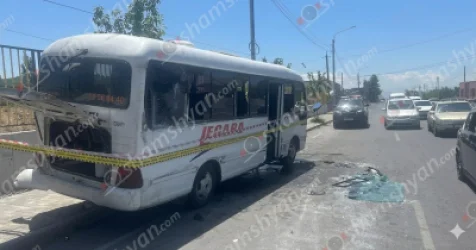
Երեխաներին էքսկուրսիա տանող ավտոբուսի վթարի ականատեսը որոշ մանրամասներ է ներկայացրել