International Court Calls on Venezuela to De-escalate Territorial Dispute with Guyana
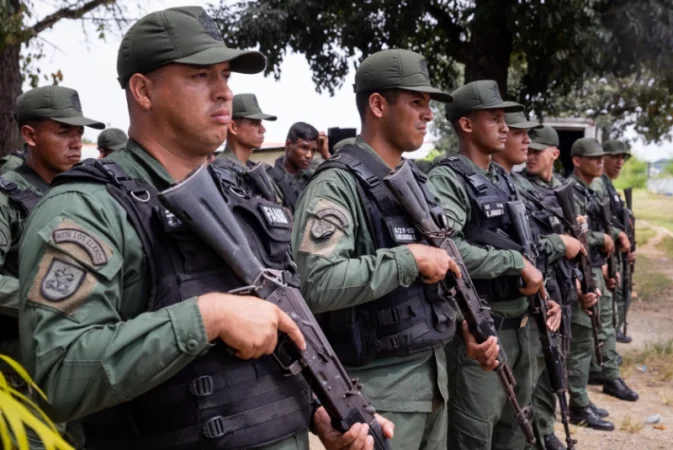
The International Court of Justice has decided that Venezuela must refrain from any actions that could alter the situation regarding the territorial dispute with Guyana. The ruling on interim measures was announced by the court's president, Joan Donoghue.
“Until a decision on the merits of the case is made, Venezuela must refrain from any actions that could change the situation regarding the territorial dispute with Guyana,” she stated. The court has also urged both parties to avoid actions that could escalate or deepen the disagreements, or further complicate the resolution of the dispute.
In a consultative referendum set for December 3, Venezuelan citizens will be asked to answer five questions. One of the questions states: “Do you agree to the establishment of the Guyana-Esequibo province, and the development of an accelerated program of comprehensive services for the current and future population of this territory, which also includes citizenship and the provision of identification documents to Venezuelans in accordance with the Geneva Agreement and international law, and will lead to the inclusion of the mentioned state as part of Venezuelan territory?”
On November 14, representatives from Guyana requested the International Court of Justice to halt the planned referendum, which they believe would allow Venezuela to occupy the Guyana-Esequibo region by force. Venezuelan Vice President Delcy Rodriguez defended the right to hold a referendum in The Hague. Meanwhile, Venezuelan authorities have repeatedly stated that the referendum will proceed in accordance with the country’s constitution, independent of the court’s ruling.
The conflict between Venezuela and Guyana is centered on ownership of an area of 159,500 square kilometers west of the Essequibo River, known as Guyana-Esequibo, and has persisted for more than 100 years. This territory constitutes more than two-thirds of Guyana and is home to 283,000 people out of the country’s total population of just over 800,000.
The dispute intensified in 2015 following the discovery of oil reserves containing at least 10 billion barrels, and Guyana’s granting of an offshore oil concession to ExxonMobil, the borders of which are not clearly delineated. In April, the International Court of Justice deemed Guyana’s case against Venezuela over the delimitation of their boundary admissible, relying on a ruling from an arbitration court held in Paris in 1899, where under pressure from Great Britain, 90% of the disputed territory was awarded to its colony, British Guiana, using fraudulent maps. Venezuela, which considers Guyana-Esequibo as its legitimate territory, argues that the conflict is not subject to the jurisdiction of the International Court of Justice, insisting on boundary delimitation through direct negotiations with Guyana as stipulated in the Geneva Agreement of 1966.
Նմանատիպ հոդվածներ
Margara Border Checkpoint Ready for Operation, Says Ministry of Foreign Affairs

Grigori Khachaturov Released on Bail

What is the Reason for the Increase in Parking Fees in Yerevan? Deputy Mayor Provides Details

Deputy Mayor: No Promise of 'Red Lines' Disappearing Was Made During 2018 Revolution
Ավելին Politics բաժնից
Արդարադատության նախարարությունը կոչով դիմել է քաղաքական ուժերին

Դատախազությունը Բելառուս է ուղարկել Նվեր Ծառուկյանին ՀՀ իրավապահ մարմիններին հանձնելու միջնորդություն

ՏԵՍԱՆՅՈՒԹ․ Վերջ ենք տալու մեկ ամսից․ Սամվել Կարապետյան