‘Enough with the Lectures’: Baku Accuses Paris
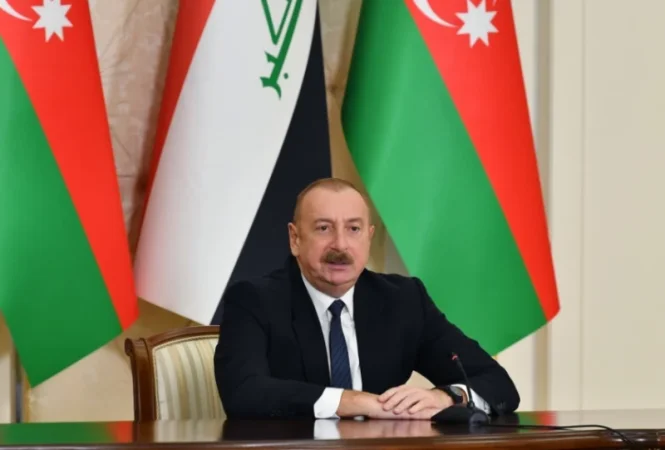
Azerbaijan's President Ilham Aliyev has accused the French authorities of provoking a new war in the Caucasus by arming Armenia, DW reports. Aliyev made this statement today, November 21, in written comments during an international conference held in Baku.
“France is pursuing a militaristic policy by arming Armenia, encouraging revanchist forces in Armenia, and laying the groundwork for provoking new wars in our region,” said the Azerbaijani president.
Baku and Yerevan have been embroiled in a territorial conflict for over 30 years over Azerbaijan's Nagorno-Karabakh region, which is predominantly populated by ethnic Armenians. In September, Baku rapidly seized control of Nagorno-Karabakh through military operations.
Aliyev noted that Paris “violates stability not only in its former and present colonies but also in the South Caucasus, where it supports separatist movements and separatists,” according to the source.
Baku has called on France to “stop giving lectures.” France, which has a large Armenian diaspora, is regularly criticized by Baku for its “pro-Armenian bias” in the territorial conflict between the countries of the Caucasus.
Azerbaijani authorities believe that France misuses its status as a permanent member of the UN Security Council to pursue its biased, subjective policies, engaging in geopolitical intrigues in various regions and trying to use Western organizations as a means of pressure on states.
In his message, the Azerbaijani head of state demanded that France “end the practice of giving lessons to other states.”
Hope for a Peace Agreement Between Armenia and Azerbaijan
Last Saturday, during the opening ceremony of the autumn session of the OSCE Parliamentary Assembly in Yerevan, Armenian Prime Minister Nikol Pashinyan stated that agreements had been reached with Baku regarding the key principles of a peace agreement. “We have good and bad news regarding the Armenian-Azerbaijani peace process. The good news is that the fundamental principles of peace have been agreed with Azerbaijan,” he said, adding that “the main bad news” is that Yerevan and Baku are still speaking in “different diplomatic languages.”
At the end of October, Pashinyan announced the possibility of signing a peace treaty with Baku in the coming months. According to him, Armenia and Azerbaijan agreed on mutual recognition of territorial integrity based on the 1991 Alma-Ata Declaration, which states that the territory of Armenia is 29,800 square kilometers, and the territory of Azerbaijan is 86,600 square kilometers. The peace treaty would also mean the establishment of diplomatic relations between the two states.
Internationally mediated peace negotiations between the two former Soviet republics have recently made little progress, but the leaders of both countries have stated that a comprehensive peace agreement could be signed by the end of the year. The Prime Minister of Armenia and the President of Azerbaijan have conducted several rounds of negotiations mediated by the EU. However, last month, Aliyev refused to participate in negotiations with Pashinyan held in Spain, citing French bias as the reason. Last week, he also declined to participate in negotiations aimed at normalizing relations with Armenia, which were scheduled to take place in the U.S. this month, referencing Washington's “biased” stance.
Նմանատիպ հոդվածներ

Ավելին Politics բաժնից
Ալեն Սիմոնյանը հայտարարել է՝ որ կուսակցությունները ընդհանրապես մանդատ չունեն
Ռոբիկը եթե ուզում է, կարող է մանդատը վերցնել ու գալ ԱԺ․ Վահագն Ալեքսանյան
ԿԸՀ–ն հրապարակեց ընտրությունների վերջնական արդյունքները