Spoiled Beets Distributed to Artsakh Refugees in Jermuk: Clarification
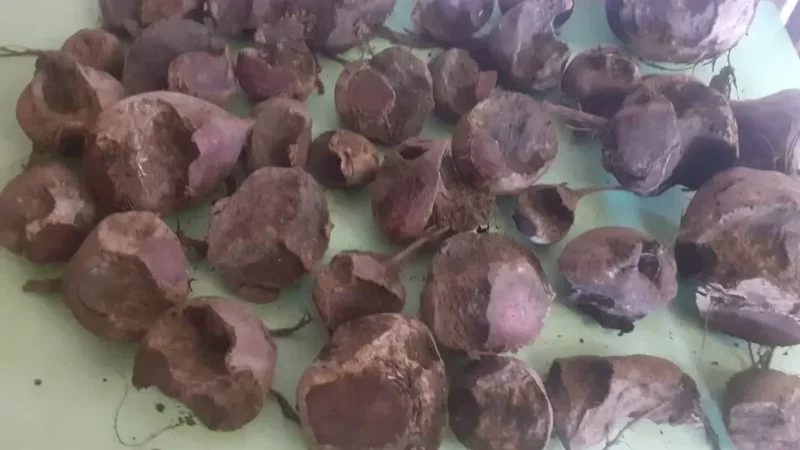
A user named Hasmik Aghabekyan published a photo on her social media page, stating that spoiled beets were among the vegetables distributed to the Artsakh refugees in Jermuk.
To understand how spoiled beets were provided to the displaced Artsakh residents in Jermuk, Auroranews contacted Vardan Sargsyan, a representative of the working group established to support those forcibly displaced from Artsakh, within the Jermuk City Hall.
Sargsyan explained that the assistance is not provided by the City Hall directly but is rather a result of individual philanthropists working in coordination with the municipality to distribute aid to Artsakh residents. "The City Hall merely facilitated the storage and distribution of the aid," he stated.
In a conversation with Auroranews, social worker Momik Margaryan from the City Hall provided further details. "We received potatoes, carrots, cabbage, and onions from donor organizations. We only provided storage, and our volunteer youth distributed the aid to the Artsakh residents," she mentioned.
Regarding the spoiled beets, Margaryan added: "The workers confused the sacks of beets they bought and brought in poorly quality beets that should not have been distributed. Since the amount of beets intended for a recording family was sufficient, they were provided without opening and checking the sacks."
According to Margaryan, products were purchased from three locations, with two of them in perfect condition, while the beets from the third source were spoiled due to the confusion. She also noted that the spoiled beets are being recalled and replaced with new ones.
Additionally, the Jermuk City Hall has issued a clarification: "The food assistance for our compatriots from Artsakh, currently residing in Jermuk, is NOT provided by the Jermuk City Hall, but by various organizations that have expressed a desire to provide assistance at this time. Due to an unfortunate mix-up, spoiled vegetables were included among the produce provided by one of the donor organizations, and because the sacks are not opened at the distribution warehouse, they ended up with a resident," the statement reads.
Նմանատիպ հոդվածներ


Ավելին Society բաժնից
Ռուբլին արժեզրկվել է. տարադրամի փոխարժեքը՝ օգոստոսի 5-ի դրությամբ

Սուպերմարկետների ցանցի գրասենյակում հայտնաբերվել է հիմնադիրներից գլխավոր տնօրենի մարմինը

Ընտրությունների օրը Մոսկվայից Հայաստան ժամանած Հովհաննես Սահակյանը չի կարողանում վերադառնալ ՌԴ. «Ժողովուրդ»