We are Ready to Continue Work in the 3+3 Format: Nikol Pashinyan
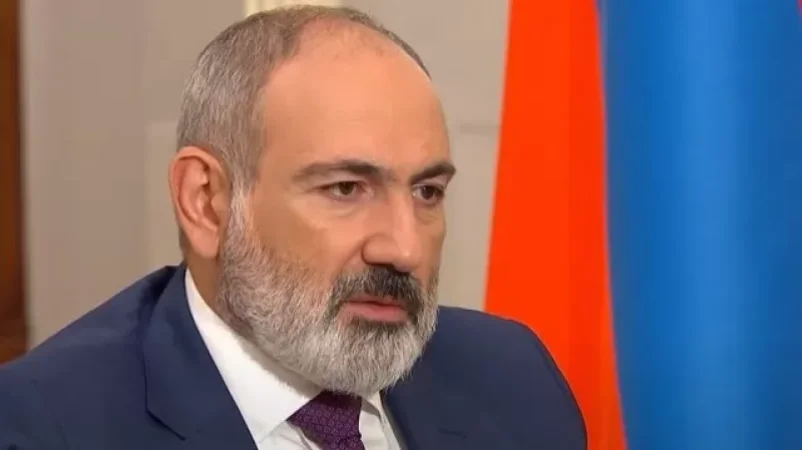
The Prime Minister of Armenia, Nikol Pashinyan, discussed Azerbaijani President Ilham Aliyev's proposal to move to Tbilisi for bilateral or trilateral negotiations during a recent interview on Public Television.
“Yes, this becomes a very important aspect against the backdrop of what I said at the beginning of our conversation. Look, a meeting took place in Granada, and principles regarding the normalization of relations between Armenia and Azerbaijan were recorded on the platform of the European Union from our and the EU's perspective. Now it is clear that when we meet in Brussels, the conversation should take place within the framework of these principles, which I would not say corresponds only to the interests of the Republic of Armenia. The Republic of Armenia has accepted this, and by the way, Azerbaijan has accepted this as well, as I have already stated. And now, when we discuss the issue of meeting in Brussels, where, in essence, we have a framework to emphasize, and when Azerbaijan tries to propose another platform, this can be interpreted by us as Azerbaijan wanting to neutralize the already agreed principles by moving to another platform. This is the problem.
What are we saying? We are saying, let's fix the principles, sign under those principles, and announce those principles, which means it should be clear what framework we are talking about and what will be the outcome of our conversation—not entirely, but 70-80 percent; the good 20 percent can still have room for negotiation because there are many nuances that have already been discussed, and the answers to those questions have not been provided. But when we leave things open and propose other platforms, it indeed creates the impression that we are trying to push those principles aside, and our concerns, your concerns, that there may be a hidden agenda behind this process leading to the use of force—new war, new escalation—are deepening. We do not oppose any conversation, but we oppose the logic that would take us outside the framework of the already agreed principles,” he said.
Regarding the question about meetings in the 3+3 format, Pashinyan responded: “Yes, of course, we are ready, and regarding the meeting in the 3+3 format, when the founding meeting took place, certain principles were agreed upon and an agreement was reached. We are ready to continue working in that format, and by the way, we also emphasize this. Why do we emphasize this? Because we should not end up in a situation— which has sometimes been a recurring problem for us—where we are constantly discussing the regional agenda far away and not discussing it in this region, because, after all, we understand, of course, that the international community and our collaboration with all partners are very important, but we must not create the impression in our region that we have a dismissive attitude towards the countries and relationships of our region. No, it is absolutely not like that, and on the contrary, one of the subtleties of our foreign policy is that we emphasize regional relations without removing them from the broader context of international relations. I know that an agreement was also reached earlier that the next meeting in the 3+3 format would take place in Tehran. And of course, we are ready, but this still needs to be discussed further. First, the meetings so far have taken place at the level of deputy ministers of foreign affairs, and now it also needs to be clarified what the perception of the parties is, at what level the conversation should continue, and we are ready. We have engaged in that format, and until now, there has not been a case where discussions in that format have been postponed or have not occurred due to us. Such a thing has not happened.”
Նմանատիպ հոդվածներ
Clear Steps Needed: Rubinyan on Azerbaijan's Actions in Artsakh
Serious Suspicions About the Implementation of Ethnic Cleansing: PACE Resolution on Azerbaijan's Actions in Artsakh
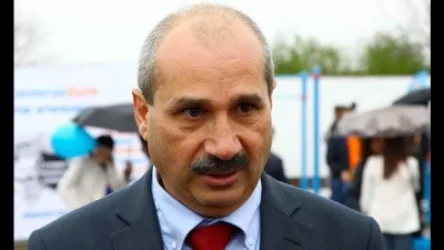
Azerbaijan Appoints Sargis Galstyan as Representative in Artsakh: Who Is He and What Connections Does He Have?
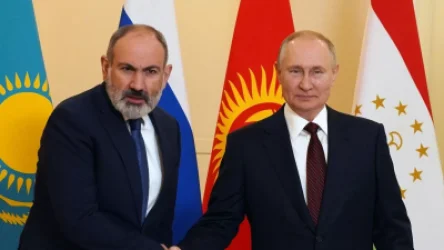
Putin: No One from Abroad Brought Pashinyan to Hand Over Artsakh, He Was Chosen by the Armenian People
Ավելին Politics բաժնից
IRI-ն ներկայացրել է Հայաստանի ընտրությունների վերաբերյալ գնահատականները
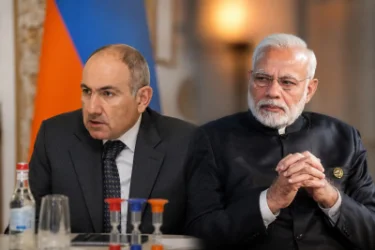
Հնդկաստանի վարչապետը շնորհավորել է Նիկոլ Փաշինյանին ընտրություններում հաղթանակի առթիվ
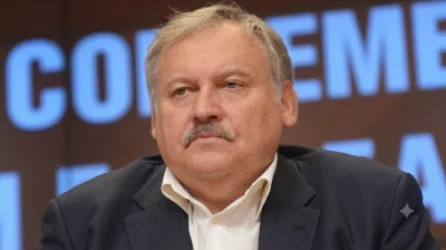
Զատուլինի սպառնացող հայտարարաությունը` Հայաստանում ընտրություններից հետո