Most Suffered from Malnutrition and Signs of Shock: UNICEF Representative
In less than a week, around 100,000 people, including approximately 30,000 children, have arrived in Armenia. Christine Weigand, UNICEF's representative in Armenia, stated this in an interview with UN News, discussing the situation of Armenians from Artsakh who have been forced to flee their homeland due to Azerbaijan's aggression.
"They all arrived in this small town in southern Armenia, Goris, which has a population of just 20,000 under normal conditions and had to deal with such a massive influx. So far, many families have relocated to different regions of the country, either due to having relatives or friends there, or they have settled in shelters provided by the government," she said.
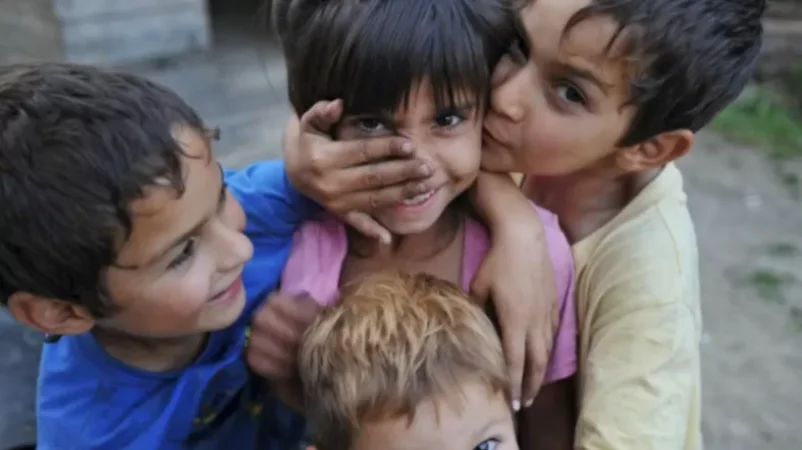
“During the first days of the families' arrival in Armenia, I visited the registration centers set up by the Armenian government. These registration centers had health stations operated by nurses and doctors, and I spoke with them to ask about the physical and mental condition of the children upon arrival. They all said the same thing: the children arrived hungry, showing signs of malnutrition, very tired, and many had fevers or other illnesses. Psychologists working at these centers also noted that the children were in shock, trying to understand what was happening to them... There were three brothers; they said they had very little time to gather the necessary items. Each boy managed to take one small backpack, where he put essential items like underwear and one or two small toys he could fit. They were emotional when they reached the children's corner and saw so many toys to play with,” she added.
According to her, the main challenge in the long term will be education, considering the significant number of children displaced. “We saw some teachers trying to find their students, to gather them together, to create some sense of normalcy... The Ministry of Education has been saying from the very first days that these children will be integrated into the school system. I believe that more than 6,000 children have been integrated and registered, but this is obviously a very large number for a small country like Armenia,” she stated.
According to her, UNICEF is considering various types of assistance: “We have directly transferred medications and medical supplies specifically for children to the Ministry of Health. We are also procuring additional medicines, as well as therapeutic food for children showing signs of malnutrition. We are setting up children's corners.”
Additionally, UNICEF is collaborating with the Armenian Ministry of Education to explore the possibility of creating temporary classrooms, additional accommodation options for children, and training for teachers on how to best work with these children and integrate them into the school system. “It is clear that a significant concern is also related to livelihoods, how families can make ends meet. The government has already announced cash transfer schemes. We are currently working with the Ministry of Labor to understand what families with children will need, and what other expenses they will need to cover, for instance, for education when they enroll in school,” she concluded.
Նմանատիպ հոդվածներ
Efforts to Change Place Names: New Aliyev-Named Fountains and Parks Emerged in Yerevan, Says Samvel Martirosyan
Nazeli Baghdasaryan Reports Number of Asylum Seekers from Nagorno-Karabakh
New Data: Gegham Stepanyan Reports the Number of Victims from the Fuel Depot Explosion
Stepanakert Municipality Issues Announcement
Ավելին Society բաժնից
ՍԿԱՆԴԱԼԱՅԻՆ ՁԱՅՆԱԳՐՈՒԹՅՈՒՆ. Պիտի էթայի «Բարագավաճ» ընտրեի. էն պժո-մժոյին ինչ անեի
Գյումրիի քաղաքապետարանը հայտարարություն է տարածել. ինչ իրավիճակ է քաղաքում
Ոչ թե պատուհանից իրեն ցած է նետել, այլ վերջինս սպանվել է․ ՔԿ-ն բացահայտող հայտարարությամբ