Violations Registered: Report Filed Regarding Avinyan's 'Promise' at Polytechnic
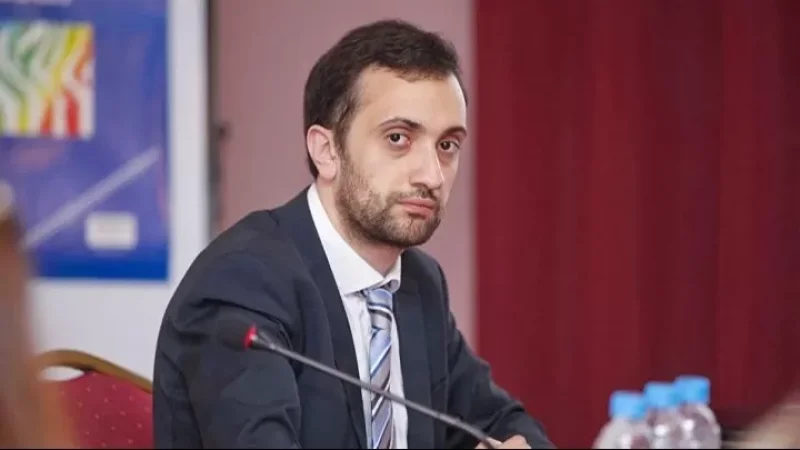
During the pre-election campaign of the Yerevan Council, five reports of crimes have been submitted to the law enforcement system, including one related to Tigran Avinyan. This was announced at a press conference today by the ‘Independent Observer’ public alliance as they presented the violations recorded during the pre-election period and on the voting day for the Yerevan Council elections.
In Avinyan's case, the concern is about a promise made to students days ago at the Polytechnic University, where he stated that ‘absences would be considered respectful if students come to meet with Avinyan.’ The ‘Independent Observer’ emphasizes that this is not bribery, but in their opinion, it constitutes another crime outlined in the Criminal Code.
Discussing the coverage of the pre-election campaign, the ‘Independent Observer’ noted that as of September 6, the Public Television's news and other broadcasts covered the ruling “Civil Contract” party nearly twice as much as other parties on average. ‘The public broadcaster has provided institutional coverage of Tigran Avinyan, which has also taken on a campaign character,’ the report presented to the media highlights.
While no cases of electoral bribery were recorded during the pre-election period, there were isolated incidents of providing voters with goods, items, and promises of services. According to the monitoring organization, such actions were carried out by representatives of the ‘Civil Contract,’ ‘Power of the Fatherland’ parties, and the ‘Mother Armenia’ alliance.
Regarding the free expression of voters, the ‘Independent Observer’ reported cases of organized misuse of administrative resources at pre-election gatherings and meetings of the ruling party. On the voting day, the organization conducted observations in 468 out of Yerevan's 474 polling stations. They recorded crowding, the presence of individuals without rights to be in the polling room, cases of revealing voting confidentiality, voter directives, organized transportation, and even disputes, among other issues. It is emphasized that all these incidents, however, did not have a mass character.
Նմանատիպ հոդվածներ
Zakharova on Russia's Involvement in Resuming Humanitarian Deliveries to Artsakh
Tensions Rise in Nagorno-Karabakh, Russia Calls for Restraint: Peskov
We Will Begin Work on the Opening of the 'Zangezur Corridor' Soon, Turkish Minister Says
Will Russia Defend Armenia in Case of an Attack? Peskov’s Response
Ավելին Politics բաժնից
Երմակն ակնարկեց, որ շուտով ազատ կարձակվի կալանքից
Եվրոպական միությունից ողջունում են Հայաստանի և Թուրքիայի միջև ուղիղ առևտրի մեկնարկը
Անհետացել են իմ նամակները. Դավիթ Բաբայանի ձայնային ուղերձը՝ Բաքվի բանտից