Photos: Pashinyan Attends Opening of the 10th Anniversary Festival of Rural Life and Traditions with His Wife
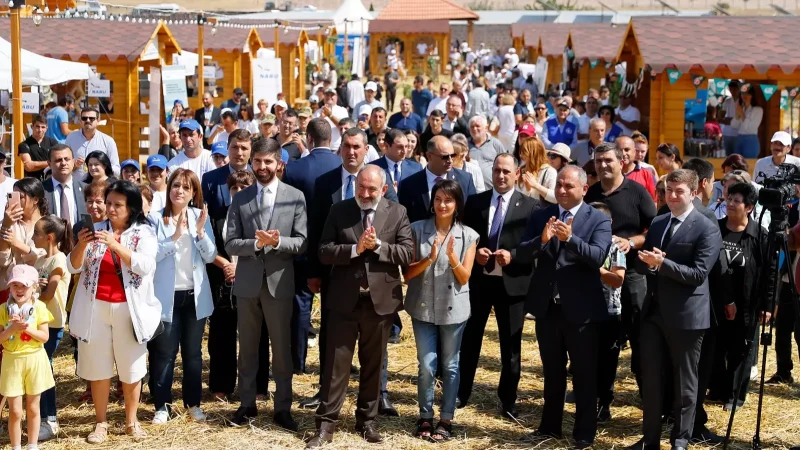
Prime Minister Nikol Pashinyan, accompanied by his wife, Anna Hakobyan, attended the opening of the 10th anniversary festival of Rural Life and Traditions, which is taking place this year in the village of Dzoraghbyur, Kotayk Province.
Also present at the event were Deputy Minister of Economy Arman Khachaturyan, Kotayk Governor Aharaon Sahakyan, and others.
Welcoming the attendees, the Prime Minister explained the government's interest in such events: “You know, in Armenia, as a rule, the word agriculture is mainly associated with hardship. And we constantly hear and see that our beloved farmers, despite putting in a lot of physical work and effort, ultimately face further problems and struggle to break out of that cycle. What is our policy in this sector? We want to do everything to ensure that agriculture is associated with efficiency, prosperity, aesthetics, health, and a healthy lifestyle.”
He emphasized the importance of such events, stating, “Many countries have already addressed these questions. While we do have some isolated cases in agriculture where these concepts are combined, unfortunately, it is not yet a widespread phenomenon in the Republic of Armenia. Through such events and scenes, we try to highlight this agenda and emphasize again that there is absolutely nothing shameful in learning from one another.”
The Prime Minister referred to the necessity of fostering an understanding among citizens that no one should feel ashamed to admit they do not know something and that they should seek knowledge: “The government’s aim is first to encourage this understanding among our citizens and second to create opportunities, because there may be many citizens who wish to fill their knowledge gaps, but lack the necessary conditions and infrastructures.”
Pashinyan noted the existing contradictions in the country: “On one hand, our Agricultural University unfortunately does not arouse significant interest among students; on the other hand, many of our enterprises are hiring farmers from Europe at salaries between 700-800 Euros, often for online work.”
He pointed out that very often the connection between the health problems of the population and agriculture is overlooked: “See, the perception that the more fertilizer we use, the greater the yield may physically occur, but it brings consequences. Current trends in the world focus on developing organic agriculture and healthy farming practices. Food security is also an issue for us.”
Pashinyan urged that these issues cannot be seen as separate problems for farmers, citizens, or authorities: “These are our shared concerns, as the products from our markets and stores go into everyone’s home, whether they are political opponents or supporters.”
“Next, regarding the hardship aspect, it is essential that modern orchards serve not only as workplaces but also as spaces of relaxation. When a person sees the aesthetic image of their labor, it provides them with new energy, along with income,” he added.
The Prime Minister stated that they had long been discussing with partners in the agriculture sector the importance of farmers knowing the cost price of their harvests. “Because the question comes down to purchases and various prices we discuss, we are often unaware in comparison to what we are evaluating those prices. When we have clear formulas for calculating cost prices, we will know whether the price offered for purchase is high or low, how much profit margin exists, and how much assistance the government should provide.”
Pashinyan highlighted that today is primarily a celebration, but it also serves as a meeting point for conversation and experience exchange: “I want to believe that through such events our public perceptions of modern agricultural methods and forms will increase, and I emphasize the importance of children witnessing this.”
The Prime Minister concluded with the view that schoolchildren should be involved in the beautification of their areas and that lands should be cultivated not only traditionally but with modern knowledge, framing it as a preparation process for their future lives: “After all, botany is taught in schools. We are also creating small greenhouse sections in schools. This is a very important direction, as intensive agriculture is not only about tilling the land but also about ways of thinking. We shouldn’t simply change our modes of thinking; rather, we should refresh them, because the world is changing. Thoughts are programs.”
“I congratulate everyone and wish all farmers and agricultural enterprises in Armenia a bountiful harvest and productive work,” the Prime Minister said.
The annual harvest festival aims to promote the sustainable development of agriculture and rural communities in Armenia through positive changes. The festival serves as a unique platform where farmers, producers, processors, buyers, and various organizations and potential investors meet to exchange experiences, collaborate, and find new markets. Each year, approximately 200 farmers and farming groups participate in the festival. It is accompanied by a traditional concert program featuring renowned folk singers, musicians, and cultural small groups, along with entertainment performances and presentations for children.
Նմանատիպ հոդվածներ


Ավելին Society բաժնից
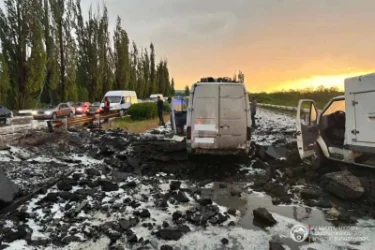
Ինչ իրավիճակ է փլուզումից հետո. նոր մանրամասներ
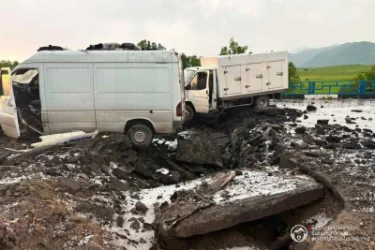
Կամրջի փլուզումից հետո մեկնարկել են վերականգնման աշխատանքները
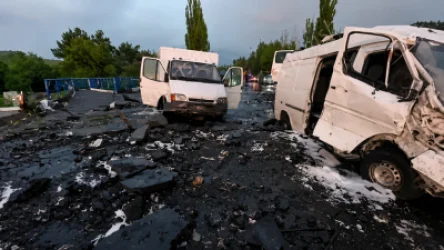
«Գայի պոստի» մոտ գտնվող կամուրջը «պայթել» է