Azerbaijan Presents Last Group Transported from Artsakh as Evacuation of Armenian Soldiers: Artak Beglaryan
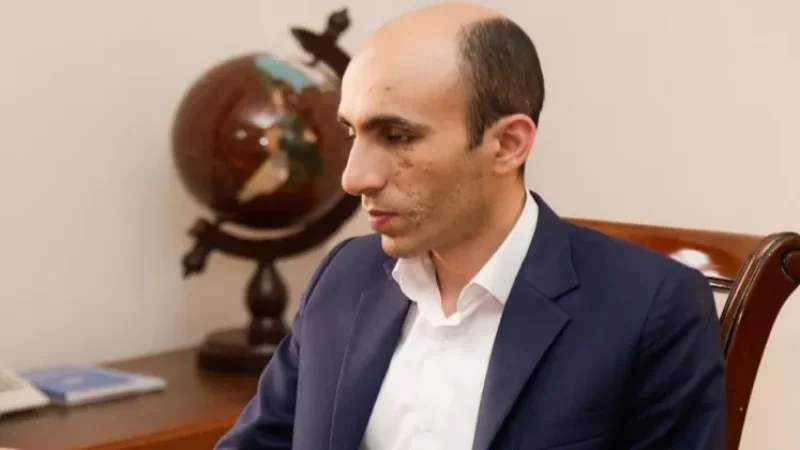
The Azerbaijani propaganda machine has once again begun to manipulate the transportation of people from Artsakh to Armenia by Russian peacekeepers, presenting the last group as a supposed evacuation of Armenian soldiers from Artsakh. This was stated by the former Prime Minister of Artsakh, Artak Beglaryan, on his Telegram channel.
“In this regard, several points need to be emphasized: No Armenian soldiers have been in Artsakh for a long time, a fact that has been reiterated by the authorities of both Artsakh and Armenia many times. From June 15 to August 21, Azerbaijan completely prohibited the movement of people, vehicles, and cargo through the Lachin corridor, with the exception of a very limited number of medical transports conducted by the Red Cross. From August 21 to 28, several hundred students and citizens of the Russian Federation, along with their family members, were transported from Artsakh to Armenia by Russian peacekeepers. However, on August 28, following the abduction of three Artsakh students at the Azerbaijani illegal checkpoint, the transports were halted.
Recently restored transportation has resulted in the transfer of, according to my information, students waiting in line, Russian citizens, and citizens of Armenia who have previously worked in construction, mining, and other sectors in Artsakh but have now become unemployed. Presumably, it is this last group that Azeris are trying to present as soldiers.
It is important to emphasize that both the August and the recent transports have been conducted unilaterally, as the Azerbaijani side does not allow peacekeepers to return numerous Artsakh residents waiting in line to Armenia. This is a vivid example of Azerbaijan's ethnic cleansing and forced displacement policy, where residents of Artsakh can indeed leave their homeland but cannot return there to be with their families. I hope the authorized state bodies of Artsakh will provide additional clarifications on this issue,” Beglaryan writes.
Նմանատիպ հոդվածներ
Ավելին Politics բաժնից
Երմակն ակնարկեց, որ շուտով ազատ կարձակվի կալանքից
Եվրոպական միությունից ողջունում են Հայաստանի և Թուրքիայի միջև ուղիղ առևտրի մեկնարկը
Անհետացել են իմ նամակները. Դավիթ Բաբայանի ձայնային ուղերձը՝ Բաքվի բանտից