Russia Circumvents Sanctions via Armenia and Turkey: NYT
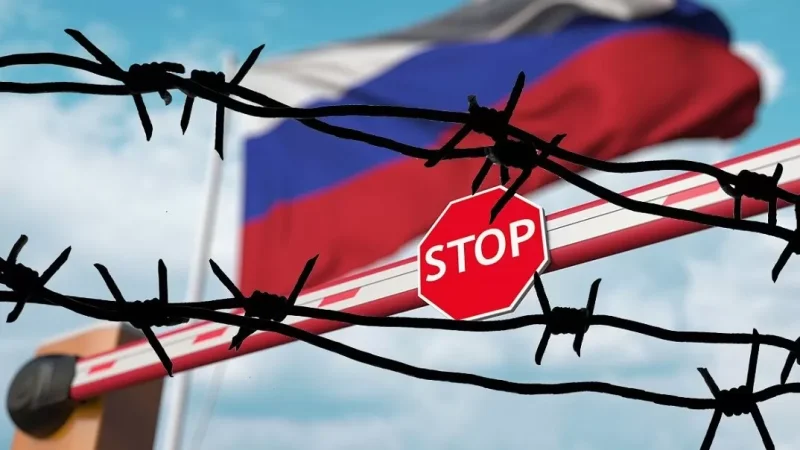
Russia has successfully navigated sanctions imposed by the West and export controls, returning its missile production to pre-war levels. The New York Times reports that American, European, and Ukrainian officials shared this insight during interviews with the publication.
According to U.S. officials, as a result of sanctions, Russia was forced to significantly slow down missile and other weapon production for at least six months following the start of the war in February 2022. However, by the end of 2022, Moscow's military industrial production began to pick up pace again, according to information provided by anonymous U.S. officials.
“Russia has evaded U.S. export controls by using its intelligence services and the defense ministry to organize illegal groups that smuggle essential components out to other countries from which they can be supplied back to Russia more easily. In less than a year since the war began, Russia has reconstructed the trade of key components, rerouting them through countries like Armenia and Turkey,” the article states.
It mentions that in October 2022, the United States gathered international officials in Washington in an attempt to strengthen sanctions against the Russian economy. At that time, American officials expressed that the sanctions and export controls were partially effective as they were hindering countries from sending microchips, circuit boards, computer processors, precision-guided munitions, as well as components needed for diesel engines, helicopters, and tanks to Russia. However, Russia has quickly adapted to the situation, ensuring the supply of essential components through its own efforts.
“Today, Russian authorities have restructured their economy to focus on defense production. Thanks to revenue from high fuel prices, Russia's security services and the defense ministry have managed to smuggle microelectronics and other Western components necessary for cruise missiles and precision-guided munitions. As a result, military production has not only recovered but also grown. A Western official representing the defense sector noted that before the war, Russia could produce 100 tanks annually; now it produces 200. Western officials also believe that Russia plans to produce two million shells per year, which is double the initial assessment from Western intelligence regarding Russia's pre-war shell production capacity,” the article adds.
Consequently, Russia is now producing more ammunition than the U.S. and Europe combined. In total, Kusti Salm, a senior official in Estonia's Ministry of Defense, assessed that Russia's current ammunition production is seven times greater than that of the West. Moreover, Russia's production costs are significantly lower than those of the West, partly because Moscow sacrifices safety and quality in its efforts to create cheaper weapons, Salm said. For instance, producing a 155 mm artillery shell costs Western countries $5,000 to $6,000, whereas Russia spends about $600 to produce a 152 mm shell, he added.
U.S. officials have stated that the West can slow down the process but cannot prevent Russia from moving parts necessary for missile production through smuggling. Currently, the U.S. and the EU have a unified list of 38 different categories of goods whose export to Russia is restricted.
And although Moscow has succeeded in smuggling processors and circuit boards, it faces a shortage of missile fuel and key explosive materials, U.S. officials noted. This shortage will likely limit Moscow should it attempt to ramp up further production of ammunition, missiles, or bombs.
Նմանատիպ հոդվածներ
New Proposals from Azerbaijan Received, Says Mirzoyan
Let’s See What Developments Will Occur: David Babayan

Azerbaijan Preparing for New Military Aggression Against Armenia and Artsakh, Says Armenian Deputy Foreign Minister at OSCE Meeting
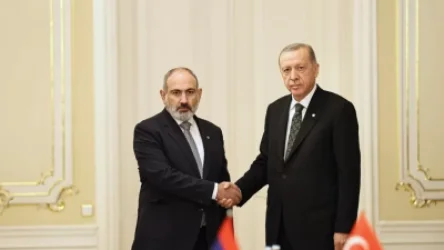
Phone Conversation Between Pashinyan and Erdogan Held
Ավելին Politics բաժնից
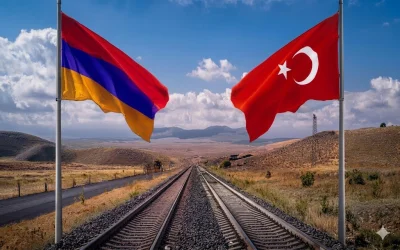
Եվրոպական միությունից ողջունում են Հայաստանի և Թուրքիայի միջև ուղիղ առևտրի մեկնարկը
Անհետացել են իմ նամակները. Դավիթ Բաբայանի ձայնային ուղերձը՝ Բաքվի բանտից
Դատախազությունը Աղվան Հովսեփյանի եղբորից պահանջում է բռնագանձել 237 միլիոն դրամ