The Only Way to Prevent an Imminent Tragedy is the Recognition of Artsakh's Independence: Call of the National Assembly of Artsakh to UN Member States
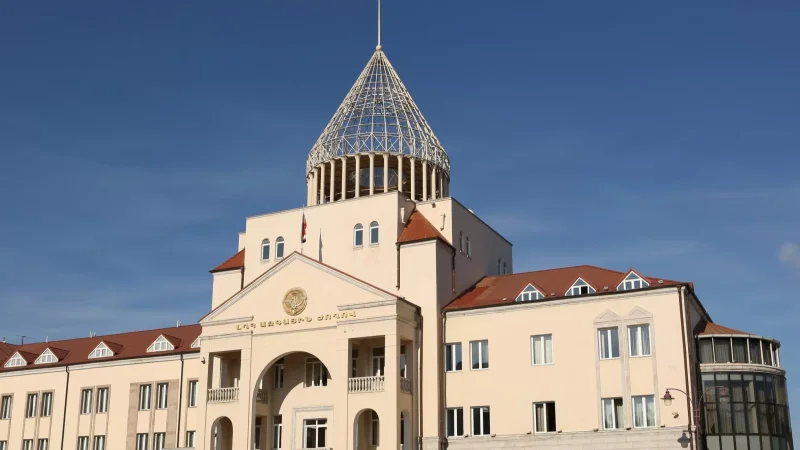
Based on the UN Charter, the UN Universal Declaration of Human Rights of 1948, the UN Convention on the Prevention and Punishment of the Crime of Genocide of 1948, the European Convention for the Protection of Human Rights and Fundamental Freedoms of 1950, the International Convention on the Elimination of All Forms of Racial Discrimination of 1965, other international treaties in the field of international human rights and humanitarian law, the UN General Assembly Resolution on the Definition of Aggression of 1974, and the 2005 UN General Assembly Resolution on the Responsibility to Protect Populations from Genocide, Ethnic Cleansing and Crimes Against Humanity, as well as the Declaration on the Establishment of the Republic of Artsakh of September 2, 1991, the results of the all-Union referendum on the Independence of the Republic of Artsakh of December 10, 1991, the Law on the Foundations of Independence of the Republic of Artsakh of January 6, 1992, the Supreme Council decision affirming the text of the Declaration of State Independence of the Republic of Artsakh of January 6, 1992, the Agreement on Complete Cessation of Fire and Military Actions between the conflicting parties of May 12, 1994, the document adopted at the First Meeting of the OSCE Leadership on March 31, 1995, the November 9, 2020 tripartite agreement on stopping all military operations in Artsakh signed by Russia, Armenia, and Azerbaijan, the ruling of the European Court of Human Rights of December 21, 2022, the European Parliament Resolution of January 19, 2023 on the humanitarian consequences of the blockade of the Lachin Corridor, the decisions of the International Court of Justice on February 22, 2023 (reaffirmed on July 6), and the resolution of the Parliamentary Assembly of the Council of Europe of June 22, 2023:
We strongly condemn that the Azerbaijani side continues to regularly violate the provisions of the November 9, 2020 tripartite agreement. It is noted that Azerbaijan has yet to fulfill its obligations to release Armenian prisoners of war and captive civilians, and is obstructing the return of internally displaced persons to Artsakh and surrounding areas, which, according to the provisions of the Declaration, should occur under the monitoring of the UN High Commissioner for Refugees.
Since the signing of the tripartite agreement, the dangers threatening the peaceful population of Artsakh have not only not diminished but have significantly increased. In this regard, we note the following facts. Azerbaijan, simultaneously with Armenia, joined the Conference on Security and Cooperation in Europe (CSCE, now OSCE) on January 30, 1992, thereby undertaking obligations. The OSCE recognized the sovereignty of these countries, provided that they, in turn, accept the fact of existing differences regarding the ownership of Nagorno-Karabakh and agree that the future status of Nagorno-Karabakh will be determined at an international conference to be held under the auspices of the OSCE. Both states agreed to assume the obligation to solve the problem peacefully.
By violating the obligations it undertook, Azerbaijan unleashed a large-scale aggression against the Republic of Artsakh. By organizing its self-defense, the Republic of Artsakh demonstrated worthy resistance and defended its independence during the war initiated by Azerbaijan from 1992 to 1994. In May 1994, Azerbaijan was forced to sign a ceasefire agreement with the Republic of Artsakh, which was recognized by the international community.
Azerbaijan, violating all norms of international law and disrupting the long-standing negotiation process for the peaceful resolution of the Nagorno-Karabakh conflict under the auspices of the OSCE Minsk Group, resumed large-scale military aggression against the Republic of Artsakh on April 2, 2016, which was halted with the intervention of the Russian Federation.
Despite the agreements reached regarding the ceasefire, due to Azerbaijan’s actions, with the comprehensive support of Turkey and direct management of military operations, thousands of mercenary terrorists from various countries in the Middle East engaged in large-scale military aggression against the Republic of Artsakh on September 27, 2020, which ceased only as a result of the signing of the tripartite statement by the leaders of Russia, Armenia, and Azerbaijan on November 9, 2020.
On December 12, 2022, a group of Azerbaijanis, under the guise of
Նմանատիպ հոդվածներ
Beginning Today, Process of Seizing Goods Sold Above Permissible Prices Will Commence: Gurgen Nersisyan
Azerbaijan in Hysteria Again: Emotional Statement from the Ministry of Foreign Affairs

PHOTO: Does It Suit? Alen Simonyan Shares New Picture
Property of Individuals and Legal Entities May Be Used Under Martial Law: New Law in Artsakh
Ավելին Politics բաժնից
Իրենք ոչ ընտրվել են, ոչ էլ՝ հաղթել. Իշխան Սաղաթելյան
Ավելի լավ կլինի, եթե ընդդիմությունը չգա խորհրդարան. Ռուբինյան
Մոսկվան պահանջում է Եվրոպայից հեռացնել ամերիկյան միջուկային զինանոցը