Halting Aid Disrupts Efforts to Build Trust Around Peace, Says U.S. Embassy
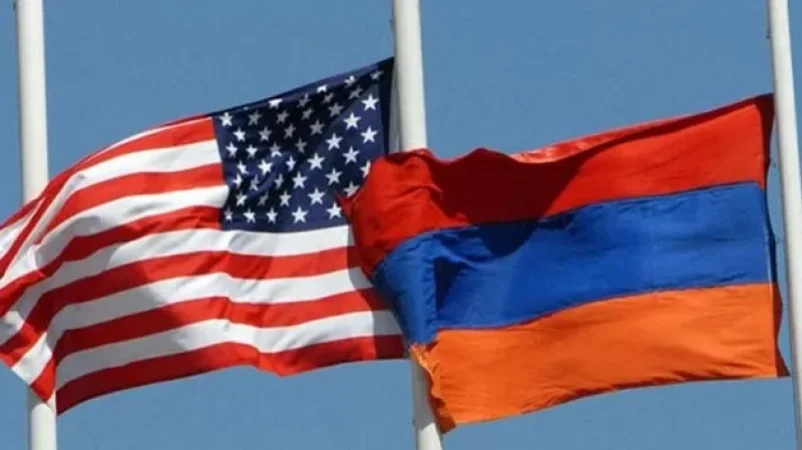
Halting humanitarian aid exacerbates the deteriorating humanitarian situation and disrupts efforts to build trust in the peace process. This was stated by the U.S. Embassy in Armenia in response to a query from Factinfo, emphasizing the need to restore free transportation through the Lachin corridor.
The media outlet had sent a written inquiry to the U.S. Ambassador, asking for comments on the fact that despite decisions by the International Court of Justice and calls from the international community, Azerbaijan continues its total blockade of Artsakh, condemning 120,000 Armenians to starvation. The query also sought to understand how this contributes to establishing trust, peace, and stability in the region.
The U.S. Embassy responded, stating, “The United States is deeply concerned about Azerbaijan's ongoing blockade of the Lachin corridor. Halting humanitarian aid further exacerbates the worsening humanitarian situation and disrupts efforts to build trust in the peace process. Open and free transport through the Lachin corridor must be restored immediately.”
In a separate inquiry, the media outlet sought a response regarding Azerbaijan’s actions to resolve the Nagorno-Karabakh conflict by force. Although there are frequent statements from Western platforms condemning the use of force, Azerbaijan has attempted to resolve the conflict through force, first by launching a war against Artsakh in September 2020, and subsequently by implementing a blockade.
As a co-chairing country of the OSCE Minsk Group, a question was raised regarding how the U.S. views this fact, given that Azerbaijan’s actions also undermine the work of the Minsk Group. The Embassy replied, “Direct dialogue between Armenia and Azerbaijan is essential for resolving this long-standing conflict. Armed solutions are not acceptable to this conflict, and resolving disputes through the use of force is unacceptable. The United States remains committed to building a peaceful and prosperous future in the South Caucasus by promoting peace through all available means, whether in a bilateral format, in cooperation with the EU, or through the OSCE or other international organizations.”
Նմանատիպ հոդվածներ
Ararat Mirzoyan: Armenia Lacks Authority to Discuss Alternative Routes for Cargo Transfers to Nagorno-Karabakh
Azerbaijan Hinders Humanitarian Cargo Entry into Nagorno-Karabakh, This Conduct is Unacceptable - Pashinyan
Armenian President Calls on Foreign Ministers of Armenia, Russia, and Azerbaijan Ahead of Moscow Talks
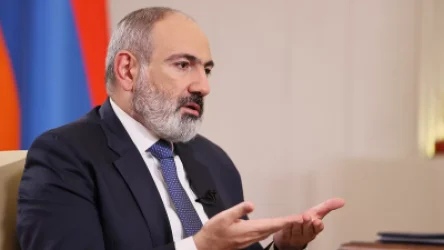
The International Community Must Take Action to End the Blockade of Nagorno-Karabakh, Says Pashinyan
Ավելին Politics բաժնից
Իրենք ոչ ընտրվել են, ոչ էլ՝ հաղթել. Իշխան Սաղաթելյան
Ավելի լավ կլինի, եթե ընդդիմությունը չգա խորհրդարան. Ռուբինյան
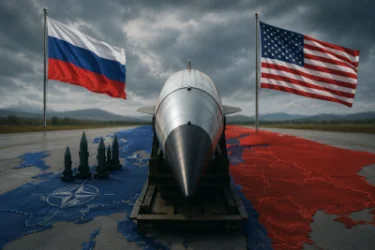
Մոսկվան պահանջում է Եվրոպայից հեռացնել ամերիկյան միջուկային զինանոցը