Response of Armenian NGOs to Azerbaijani 'Environmentalists' Position
The civil society organizations of Armenia have issued a statement regarding the position of Azerbaijani 'environmentalists'. This was reported by the 'EcoLur' information NGO, which published the statement:
'The civil society organizations of Armenia express deep concern over the position of Azerbaijani 'environmentalists' engaged in political manipulation, which leads to the escalation of military aggression in the South Caucasus region and hinders the peaceful resolution of the Armenian-Azerbaijani military conflict, worsening the socio-ecological situation in the border areas.
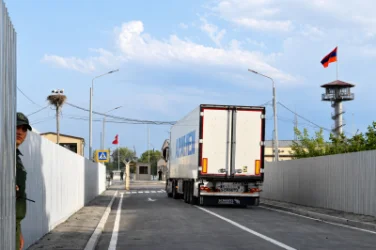
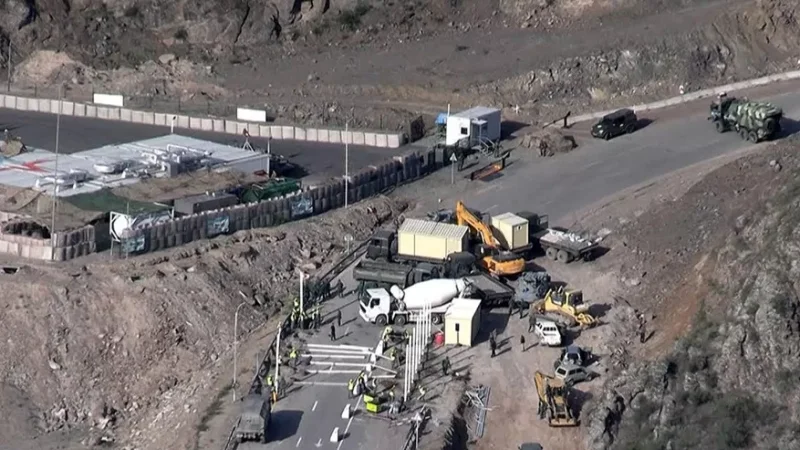
The blockade of the Lachin corridor, which is vitally important for the 120,000 residents of Artsakh and connects Armenia with Artsakh, was initiated by the actions of Azerbaijani 'environmentalists' who declared risks related to mining activities in Artsakh. The Azerbaijani armed forces have replaced the 'environmentalists' stationed in the Lachin corridor and are making political demands through coercive methods.
In June 2023, Azerbaijan's official agency dealing with environmental issues issued a statement regarding Armenia's violation of the Espoo Convention concerning the construction of a metallurgical plant in the village of Yeraskh, situated on the border with Azerbaijan. The justification for the statement distorts facts that allegedly demonstrate violations of the provisions of the convention. The productivity of the metallurgical enterprise is supposed to be 100,000 tons annually, which is ten times less than the minimum production volume of 1 million tons that can be considered within the requirements of the convention.
Regarding transparency, Armenia adheres to the principles of Open Government (OGP) and the requirements of the Aarhus Convention, with required information on environmental impact assessments published on official websites, detailing the main technical specifications of the production and provided environmental impact assessments. Documents related to the Yeraskh plant have also been published on public open platforms.
The Ministry of Environment of the Republic of Armenia has reacted to the Azerbaijani side's statement. However, as was the case in Lachin, the 'environmentalists' have been replaced by the military, who have fired upon the construction site of the Yeraskh plant, resulting in two workers suffering serious injuries.
In July 2023, Azerbaijani 'environmentalists' sent an open letter to Armenian Prime Minister Nikol Pashinyan, regarding the violation of environmental sustainability in the South Caucasus region due to the operation of mining enterprises. It is noteworthy that several of the listed companies do not even exist. The letter is an example of a mix of real and fictitious facts.
Information regarding mining activities in Armenia can be obtained from www.eiti.am, which is the official website of a country that is a member of the Extractive Industries Transparency Initiative (EITI). The mining sector is problematic worldwide. We, representatives of Armenian civil society, acknowledging the global risks of climate change and sustainable development, are making every effort to mitigate them, highlight specific issues, and negotiate with the government and businesses within the framework of EITI. We also strive to achieve legislative changes aimed at risk reduction and protection of social and environmental rights on specific issues through direct engagement.
We believe that conscious representatives of Azerbaijani civil society should pay attention to climate threats, the ongoing pollution of the Caspian Sea's basin, and the violation of the rights of the local population affected by industrial waste contamination, and seek to improve the social and environmental situation, reduce climate risks, and enhance the protection of the rights of local populations and active representatives of civil society, who are under physical security threats from law enforcement bodies and the state at large.
This reference specifically addresses the issues of Azerbaijan's oil and gas industry, which is the main source of income for the country and its immediate leadership. It should be noted for Azerbaijani 'environmentalists' that in 2006, all Caspian coastal countries, including Azerbaijan, ratified the Framework Convention for the Protection of the Caspian Sea Marine Environment (Tehran Convention). The 21,300 hectares of the Absheron Peninsula, rich in oil and gas reserves, are significantly polluted with oil and oil products.
Long-term oil spills in this area have caused serious anthropogenic changes to the environment and natural landscape (TACIS 2009). The most toxic elements in the Absheron Peninsula are B, Al, Pb, U, Se, Fe, C, Na, and Mg. Thus, Azerbaijan's oil and gas industry poses a significant risk to the countries of the Caspian Sea basin - the Islamic Republic of Iran, the Republic of Kazakhstan, the Russian Federation, Turkmenistan, and, of course, Azerbaijan itself.
The Extractive Industries Transparency Initiative - Eiti.am. The Baku-Tbilisi-Ceyhan oil pipeline passes through Georgian territory, encompassing part of the Borjomi National Park, which is rich in the sources of 'Borjomi' mineral water, a key export product of Georgia, and of international significance for health and sports tourism. Representatives of Georgian civil society have opposed the construction of the oil pipeline through specially protected areas for several years, pointing out the possible risks of leakage and accidents, particularly for the mineral water sources. They demanded that the route of the project be changed. However, the investors and the Azerbaijani government did not agree to raise the cost of the project, and it was implemented under additional conditions. Considering the need for a 'green' energy transition, it is essential to audit the activities of the Baku-Tbilisi-Ceyhan and other oil and gas industry projects, including fulfilled and unfulfilled obligations, as well as greenhouse gas emissions and damages caused to the environment.
Residents of the villages of Mirgurbanshli and Yeni Gishlag in the Neftchala region complain about radioactive iodine emissions, which are waste from the Neftchala iodine and bromine plant owned by Azer Iod LLC. Residents have sent their complaints to the press. A photograph of the Mil-Mugani irrigation canal with brown content was covered by the press, which highlighted the alarm and noted that the complaints do not correspond to reality, only referencing the company's staff.
In 2023, residents of the Soyudlu village in the Gedabek region of Azerbaijan protested against the construction of a cyanide tailings facility, which was intended for the waste generated by the exploitation of the Gyadaba gold and silver mine. Residents are concerned about the dangers posed to their pastures and waters. They have faced violent actions from Azerbaijani law enforcement, involving the use of batons, rubber bullets, pepper spray, and tear gas. None of the Azerbaijani organizations that signed the statement addressed to the Prime Minister of Armenia have acted in support of the residents of Soyudlu and the environment.
We note that in 2017, Azerbaijan's membership in the Extractive Industries Transparency Initiative (EITI) was halted due to violations of the initiative's principles, the constant pressure of the country's government on civil society, and the application of harsh measures, as well as persecutions against political opponents and journalists. Civil society activists who advocated for transparency and accountability in the mining sector in Azerbaijan have either been arrested or forced to leave the country due to political repression.
The statements of Azerbaijani civil society organizations are part of Azerbaijan's government's aggressive policy, executing the order of an authoritarian state, joining military and informational aggression against Armenia, and trying to intimidate the Armenian population.'
'EcoLur' Information NGO
'Green Armenia' Environmental Education NGO
'Center for Community Consolidation and Support' NGO
'Dalma-Sona' Educational, Cultural, Social, and Environmental Foundation NGO
'Transparency International Anti-Corruption Center' NGO
'Center for Human Rights Research' NGO
'Armenian Forests' Environmental NGO
'Educational Center for Equal Rights' NGO
'Vanadzor Office of the Helsinki Civil Assembly' NGO
'Center for Public Awareness and Monitoring' NGO
'Ecological Public Union' NGO
'BLEJAN' Environmental, Social, and Business Support NGO
'Pink' Human Rights Protection NGO
'Civil Society Initiative 'Informed Citizens' NGO
'Restart Gyumri' Civil Initiatives Center NGO
'Helsinki Association for Human Rights' NGO
'Free Citizen' NGO
'Public Journalism Club' NGO
'Martuni Women’s Community Council' NGO
'Goris Press Club' NGO
'Prospective Development Center' NGO
'Media Initiatives Center' NGO
Roza Julhakyan, environmental and climate expert
Silva Aivazyan, environmental and climate expert
Karine Taslakyan, sustainable development and governance expert.
Նմանատիպ հոդվածներ



Ավելին Society բաժնից

Երևանում ռուս մաթեմատիկոս է ձերբակալվել

Ալեն Ղևոնդյանին արգելվել է հրապարակումներ անել և հավաքների մասնակցել

Բացառիկ պատմական արժեք ներկայացնող նվիրատվություն՝ Մատենադարանին