"I Carried My Child to the Hospital in My Arms with a Catheter Attached to His Arm": A Resident of Artsakh
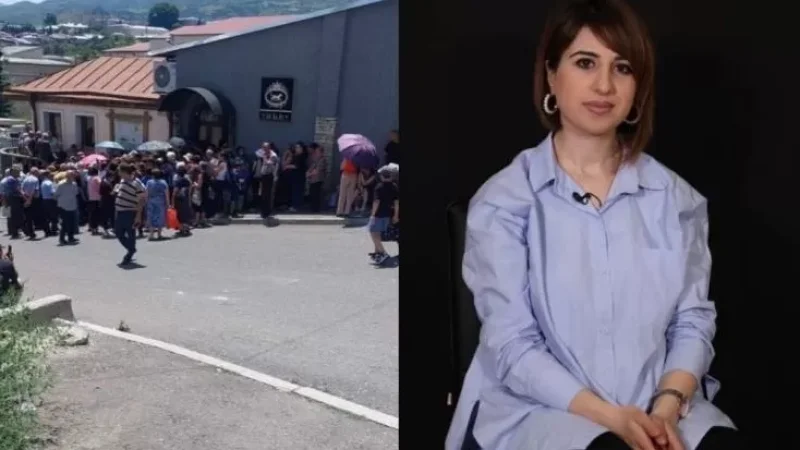
The situation in Artsakh is indeed very sad, no matter how much we talk and share, until a person sees it or passes through that road, they won’t understand. This was stated by Mariam Abrahamyan, coordinator of the "Mothers' Club of Artsakh" in an interview with MediaHub.am.
According to her, children and their parents have become more vulnerable due to the acute deficit that has arisen from the blockade in Artsakh. She said, "You don’t even know what to prepare for your child anymore. You give them the same food every day. All mothers feel helpless and guilty. Today, the situation is much more difficult for children who are on formula. Our club has registered 11,000 mothers, who search for food every day and exchange items. People are looking for food; some are trading their eggs or homegrown vegetables for toilet paper or tissues. There’s a sense of emptiness, a general deficit."
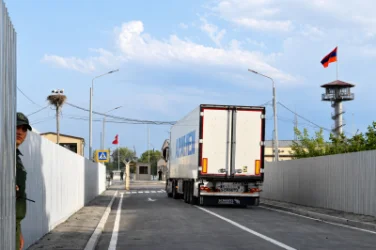
The road of life in Artsakh has been closed for 220 days, and during this time the humanitarian crisis has deepened to a seemingly insurmountable extent.
Mariam Abrahamyan recounted that due to power outages, she has to travel back and forth for work several times a day, and every time she passes by the bakery, the sight is the same: long queues of people, sometimes reaching into the hundreds. She said, "The desperate faces of the people remind you every day of what kind of reality you are living in. We don’t feel the need for gas and light so seriously right now, but we also don’t want to imagine what will happen in winter if this situation continues."
However, Mariam admitted that the queues near bakeries are nothing compared to those by dairy product factories. The same goes for eggs. "My mother stood in line for eggs at 5:30 AM and only managed to buy them at 10:00 AM. After her, the line reached 500 people," she shared.
All of this sometimes leads to despair. Mariam recounted her experience when her child started vomiting and showed signs of intestinal infection, and at the moment of taking him to the hospital, it was uncertain if there would be enough fuel for the car. "At that moment, I thought that there would come a time when there wouldn’t be any fuel left. But we reached the hospital. There, we learned that the medicine my child needed was not available, and the pharmacy was closed. We managed to find the pharmacy owner; there were a few ampoules left, which we bought and brought. The hospital said that most of the medicines are already exhausted. The next day, when we needed to go back to the hospital, there was no transport available, and my child was weak and couldn't stay in the stroller. I carried him to the hospital in my arms with a catheter attached to his arm. I was barely holding back my emotions, telling myself, what would those living in the village do, how would they get their children there?"
Mariam observed that the situation is very serious now, and it might get worse in a few days. "Against this backdrop, smiles have disappeared from people’s faces, and we have somewhat become harsh towards each other. Standing in queues and facing daily humiliations will eventually make the entire society sick. Children and pregnant women are malnourished, and this will eventually have negative consequences later on," she stated.
Yet, even amid this tragedy, there are moments of encouragement. Mariam shared that the interest from those living outside gives strength to the people in Artsakh. "We understand that we are not alone, that we are of interest to people. That gives us strength," she concluded.
Նմանատիպ հոդվածներ
Ավելին Society բաժնից
Երևանում ռուս մաթեմատիկոս է ձերբակալվել
Ալեն Ղևոնդյանին արգելվել է հրապարակումներ անել և հավաքների մասնակցել
Բացառիկ պատմական արժեք ներկայացնող նվիրատվություն՝ Մատենադարանին