It is Sad That Instead of Dialogue, Azerbaijan is Pursuing an Ethnic Cleansing Policy in Artsakh: Mirzoyan

We are confident that Armenia is not alone in this regard; stable peace in the region is only possible through the proper addressing of the rights and security issues of the people of Nagorno-Karabakh under international mechanisms and through the Stepanakert-Baku dialogue. This was stated by Foreign Minister Ararat Mirzoyan during a joint press conference with Austrian Foreign Minister Alexander Schallenberg.
“Mr. Minister, esteemed attendees, first, I would like to express my gratitude to my colleague Mr. Schallenberg for the invitation to Vienna and for the warm welcome. The contacts between our two countries, between my colleague and my dear friend, are quite intense, and we have had effective discussions today on many issues of mutual interest.
We are pleased to note the high level of political dialogue between Armenia and Austria and have addressed issues related to the dynamically developing bilateral cooperation in recent years—economic, trade, business ties, educational, cultural, and people-to-people contacts, among others. We highlighted the role and tasks of the Armenia-Austria joint commission on trade-economic and scientific-technical issues and the prospects of effectively utilizing the existing great potential.
Mr. Minister, I am happy to emphasize the significant growth in bilateral trade turnover in the first half of this year. In this context, I would like to refer to the Armenia-Austria business forum held in Yerevan during your visit last year.
I particularly appreciate Austria's commitment to supporting Armenia's sustainable development efforts. The opening of the Austrian office of the Development Cooperation Agency in Yerevan during your visit in 2022 has certainly served as an impetus for the development of our relations.
Today we also exchanged ideas on various international platforms, including the UN and the OSCE, about our cooperation. The agenda of our meeting included a wide range of issues related to Armenia-EU partnership.
During the meeting, we also addressed the importance of EU continued support for democratic reforms in Armenia and institutional capacity building. We gave special importance to the activities of the EU civilian monitoring mission operating in Armenia since February this year, which is making vital contributions to reducing tensions and preventing escalation at the Armenia-Azerbaijan interstate border.
I expressed my gratitude to my colleague and the Government of Austria for the participation of Austrian observers in the mission.
I would like to note that we also discussed the possibilities of cooperation between Armenia and the EU in the security field, taking into account the first meeting of the Armenia-EU dialogue on security and political issues held in January this year.
Esteemed attendees, the discussions today have also focused on developments related to regional security and stability. I presented to my colleague the security situation in the South Caucasus, Armenia's vision for establishing peace, the process of normalization of relations between Armenia and Azerbaijan, and the efforts made by Armenia and the international community to achieve a result.
We are confident, and I believe that in this respect Armenia is not alone; stable peace in the region is only possible through the proper addressing of the rights and security issues of the people of Nagorno-Karabakh under international mechanisms and through the dialogue between Stepanakert and Baku. In this context, it is important to note that at this time, instead of that dialogue, Azerbaijan is pursuing an ethnic cleansing policy in Nagorno-Karabakh, which is clearly manifested in the now over seven-month-long blockade of Nagorno-Karabakh.
Nagorno-Karabakh is on the brink of a humanitarian disaster. This is a violation of international humanitarian norms and goes against numerous calls, resolutions from international actors, and the legally binding decision of the International Court of Justice on February 22, which the Court reaffirmed in its decision on July 6.
In the negotiation process with Azerbaijan, the key issue is to ensure maximum clarity on the interstate boundary. In this context, it should be emphasized that the borders of the former Soviet republics are recognized as the interstate boundary between Armenia and Azerbaijan under the Alma-Ata Declaration.
Armenia is also interested in unblocking regional economic and transport infrastructures, which should be based on the sovereignty and jurisdiction of the countries in accordance with the principles of equality and reciprocity.
Of course, achieving solutions to these aforementioned issues is very important for the overall atmosphere, which can be facilitated by abandoning the use of force or the threat of force, sowing continuous animosity, aggressive rhetoric, as well as resolving urgent humanitarian issues, particularly the release of all Armenian prisoners of war by Azerbaijan.
In conclusion, I would like to emphasize that on the aforementioned issues, and as a primary urgent matter, the question of lifting the blockade of the Lachin corridor is where Armenia expects effective actions from international actors, particularly from members of the UN Security Council.
Mr. Minister, dear friend, once again, I would like to thank you for the warm welcome and the substantive conversation. I am greatly interested in actively continuing this dialogue. Thank you very much,” he stated.
Նմանատիպ հոդվածներ
Ավելին Politics բաժնից
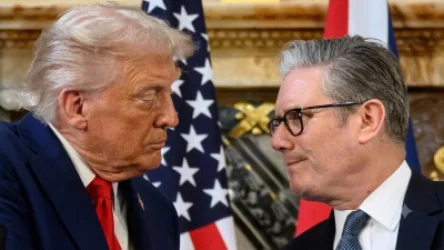
Մեծ Բրիտանիայի վարչապետ Քիր Սթարմերը հրաժարական կտա. Թրամփ
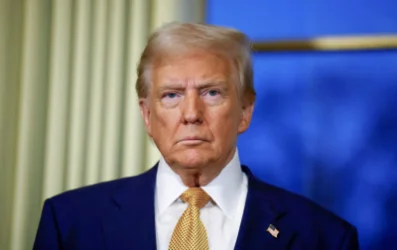
Եթե փակեք Հորմուզի նեղուցը, այլևս երկիր չեք ունենա. Թրամփ
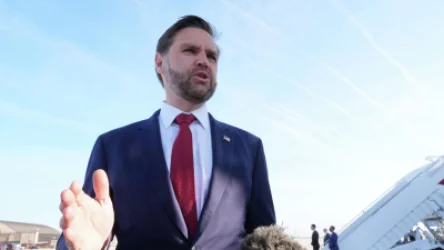
Ընդամենը վերջին մի քանի ժամերի ընթացքում մենք նշանակալի առաջընթաց ենք արձանագրել. Վենս