Damage to Artsakh's Economy During the Blockade Revealed

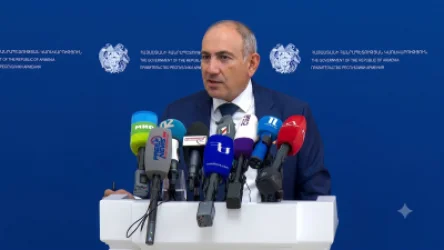
Armenian government statistics have been released regarding the economic impact of the blockade on Artsakh, now in its 205th day.
Due to the suspension of planned surgeries in all healthcare facilities in Artsakh, approximately 1,520 citizens have been deprived of the opportunity for surgical treatment, with around 30 additional cases reported over the last four days.
As of today, the International Committee of the Red Cross (ICRC), with its mediation, has evacuated 579 patients from Artsakh to Armenia, and a further 70 patients have been accompanied by Russian peacekeepers for necessary treatment. However, due to additional obstacles raised by Azerbaijani authorities regarding the ICRC's operations, transfers that had recently been restored after nearly a month of suspension have been completely halted for the past ten days.
The ICRC's activities along the Lachin Corridor were resumed on June 25. As a result of the blockade, a total of approximately 3,900 individuals, including 550 children, have been unable to return home, although some have managed to do so with the assistance of the Red Cross and Russian peacekeepers.
No citizens have been able to freely travel along the Stepanakert-Goris highway (through the Lachin Corridor), with incidents of bilateral movement decreasing by around 204 times. The available data shows only 2,466 entries and exits over the 205-day period, contrary to the normal expected figure of 502,250. Among these, only 44 entries and exits have been registered over the last four days, solely facilitated by the Red Cross.
No vehicles belonging to citizens of Artsakh have passed through the blocked roads, and the overall movement of vehicles has been nearly 65 times lower than what would have occurred without the blockade. Over the 205 days, there have only been 2,911 vehicle entries and exits, all managed solely by the Red Cross and Russian peacekeepers. This signifies that only 11 vehicle movements have been recorded over the last four days, again only by the Red Cross.
Approximately 14 times fewer vital goods have been imported with the help of the Red Cross and Russian peacekeepers, compared to what would have been normal without the blockade. This figure amounts to roughly 5,700 tons instead of the expected 82,000 tons over 205 days, with only 12 tons of medication brought in during the past four days, specifically by the Red Cross.
Throughout this blockade, Azerbaijan has completely or partially disrupted gas supply from Armenia to Artsakh for a total of 139 days, and the electric supply has been completely interrupted for 176 days. This has resulted in daily power cuts and additional emergency outages, leading to the closure or reduction of operations for many institutions.
A total of 860 businesses (20.1% of the total) have suspended operations due to the impossibility of functioning under blockade conditions, while others continue to operate at reduced capacities or with state support. As a result of the blockade and disruption of essential infrastructure, approximately 11,000 people have lost their livelihoods since the start of the blockade—this includes cases of temporary job preservation with state support—accounting for more than 50% of private sector employees.
Construction projects involving the development of 32.6 kilometers of roads, dozens of kilometers of water supply systems, irrigation systems covering thousands of hectares, 3,717 housing units, and over 40 social and production infrastructure projects have ceased.
Overall, Artsakh's economy has suffered damages amounting to approximately $390 million, resulting in a projected shortfall of about 43% of the annual GDP forecast (set at $903 million).
Նմանատիպ հոդվածներ
Eurasian Development Bank to Provide Loan for New Power Block at Hrazdan Thermal Power Plant
City Budget Surplus Reaches 102.5% in June
Austrian Banking Group RBI Delays Exit from Russia; Reason Revealed - Reuters
Minister: "2023 State Budget's Revenue Surpassed by About 50 Billion AMD in First Half of Year"
Ավելին Economy բաժնից
Իրաքը սպառնում է լքել OPEC-ը` նավթի արդյունահանման սահմանաչափը չբարձրացնելու դեպքում

ՍԱՏՄ-ում քննարկվել են Հայաստանից ԱՄՆ սննդամթերքի արտահանումը արագացնելու հնարավորությունը

Հայաստանից ԵՄ պտուղ-բանջարեղեն չի արտահանվել. Գառնիկ Դանիելյան