Concerns Arise Over Recent Developments in Armenia's Judicial System, Thomasyan Says
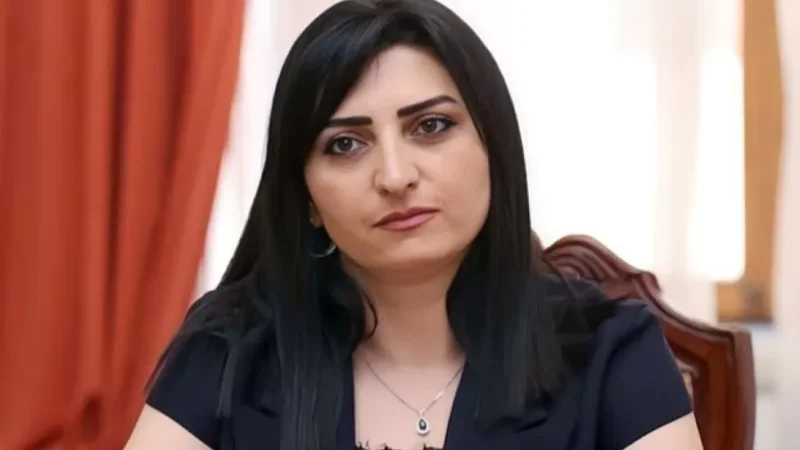
Recent developments in Armenia's legal system are highly concerning from a democratic perspective. I have sent letters to my international partners regarding these issues. This statement was made by the Chairperson of the RA National Assembly's Human Rights Protection and Permanent Commission and non-partisan member, Taguhi Thomasyan.
In the preceding period prior to the formation and operation of the Supreme Judicial Council, which is considered an independent state body guaranteeing the independence of courts and judges, dozens of judges faced disciplinary actions, and in some cases, their powers were terminated. This included judges Anna Pilosyan, Ruben Vardazaryan, Sima Iskandaryan, Rafik Melkonyan, Gagik Khandanyan, Vahe Khalatyan, Naira Mkrtchyan, Zarouhi Nakhsgharyan, Suren Antonyan, Alexey Sukoyan, and Arayik Melkumyan (the decision regarding the latter has been reviewed based on new circumstances).
This time, a troubling process has begun around Judge Davit Harutyunyan, who has a high reputation in the legal community due to his professionalism, with whom a disciplinary proceeding has been initiated at the request of the Minister of Justice. According to the judge, President of the Supreme Judicial Council Karen Andreasyan and Minister of Justice Grigor Minasyan have a clear objective to restrict freedom of speech, aiming to prevent judges from discussing questions related to judicial authority.
According to the second part of Article 175 of the Constitution, the Supreme Judicial Council acts as a court in matters concerning the disciplinary liability of judges, as well as in other cases defined by the Constitutional Law “Judicial Code.” Article 19 of the “Universal Declaration of Human Rights” states that everyone has the right to freedom of opinion and expression. Freedom of expression is also established in Article 10 of the “European Convention on Human Rights and Fundamental Freedoms.”
According to Rule 12 of Appendix No. 05-L of the December 21, 2018 decision of the Assembly of Judges of the Republic of Armenia, as a citizen of the Republic of Armenia, a judge has the right to self-expression, freedom of thought, and the right to join trade unions and other public organizations, but he must use those rights in a manner that upholds the dignity of the judicial office and does not raise doubts about the independence and impartiality of the judiciary. Rule 14 states that besides properly performing professional duties, a judge may: a) make speeches, reports, write and read literary works, participate in events related to law, the legal system, the application of legal norms, and similar issues; b) appear at public hearings of official bodies and provide publicly requested consultations concerning issues related to law, the legal system, and the administration of justice, insofar as this is perceived as the utilization of the judge's legal knowledge and experience.
Judge Davit Harutyunyan has also reported alarming concerns regarding the inadequate consideration of motions, the lack of clarification on his rights, and that President of the Supreme Judicial Council Karen Andreasyan leaves the consultation room without hearing statements regarding motions and returns with decisions, openly hinting at the possibility of the use of force on property belonging to Judge Davit Harutyunyan.
Considering such developments in the context of Armenia's international obligations and the general legislative framework, the judicial protection of the right to a fair trial, as defined by Article 6 of the “European Convention on Human Rights and Fundamental Freedoms,” becomes problematic. I have drawn the attention of my international partners to specific threats to the independence of the Armenian judicial system through a number of letters. Intrusions into an independent judicial system are unacceptable.
Նմանատիպ հոդվածներ
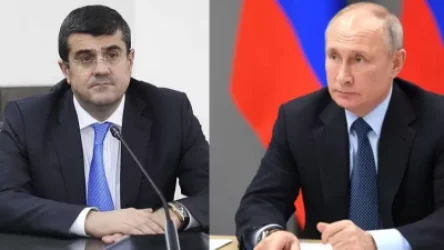
Արայիկ Հարությունյանը նամակով դիմել է Վլադիմիր Պուտինին
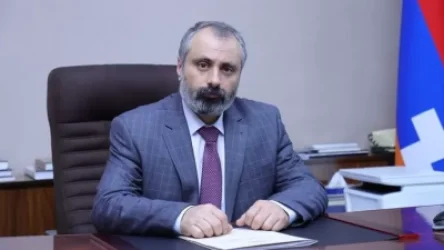
David Babayan on the Situation in Artsakh and the Letter Sent to Putin
Գյուլագարակի ՔՊ-ական համայնքապետը տիրացել է համայնքային հողերին․ «Հետք»
Մարդն իրավունք ունի անել այն, ինչը չի հակասում Սահմանադրությանը և օրենքներին, այսինքն` արգելված չէ. Փաշինյան
Ավելին Politics բաժնից
Ադրբեջանի տարածքային ամբողջականությունը ճանաչել ենք․ Փաշինյան
ԿԳՄՍ նախարարը՝ մինչև 16 տարեկան երեխաների մուտքը սոցիալական ցանցեր սահմանափակելու մասին

Հունաստանի կոպիտ արձագանքը՝ Թուրքիայի ընդունած նոր օրենքին