America Barred from Considering Skin Color: Landmark Decision
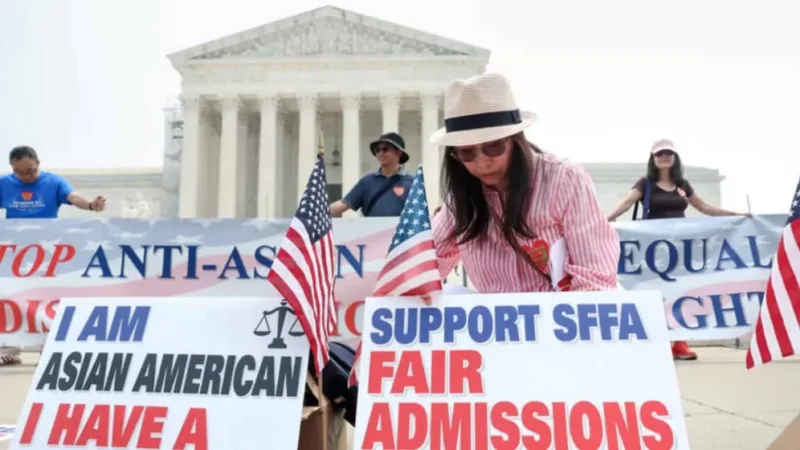
The U.S. Supreme Court made a landmark decision today. After decades of extensive discussions, the court has ruled that the term "affirmative action" is primarily a noun, not an adjective, and therefore, like any other form of discrimination, it is unconstitutional.
For the past 45 years, the U.S. Supreme Court has recognized that all individuals are equal under the country’s laws and regulations; however, there has been one exception to this general rule—higher education. In 1978, the Supreme Court guaranteed universities the right to recruit students based on their own principles and beliefs, allowing race to be one of the selection criteria. Students were admitted to colleges not only based on their personal achievements and academic results but, in many cases, based on their national belonging.
This policy was opposed by the "Students for Fair Admissions" movement, founded by activist lawyer Edward Blum, who organized numerous lawsuits against racial discrimination in various sectors. The movement has sued two universities, Harvard College and the University of North Carolina.
In the case against the University of North Carolina, plaintiffs argued that the university showed discrimination against white and Asian candidates, giving preference to Black, Hispanic, and Native American applicants. In the case against Harvard, plaintiffs claimed that the university practiced discriminatory policies against Asian American applicants by assessing subjective criteria such as attractiveness, courage, and likeness during admissions, thereby creating obstacles for candidates in this category.
Both universities won their cases in federal courts, while Harvard successfully won in the Appeals Court. Both institutions confirmed that for decades they have been guided by the Supreme Court's previous ruling from 1978, according to which the national identity of an underrepresented group applicant can serve as an additional positive factor for increasing admission chances.
Now they and other higher education institutions must focus on the Supreme Court's new ruling. Today, the Supreme Court recognized that such selective approaches in admissions are the same racial discrimination as the violation of the rights of Black individuals. "The elimination of racial discrimination means the elimination of all of it," stated Chief Justice John Roberts in the ruling, joined by Justices Clarence Thomas, Samuel Alito, Neil Gorsuch, Brett Kavanaugh, and Amy Coney Barrett. "A student should be addressed based on their individual experience, not their race. Many universities have been doing exactly the opposite for far too long."
Formally, this decision applies to two specific colleges; however, it is evident that it opens the possibility for challenging affirmative action programs in other higher education institutions across the country. Nonetheless, studies indicate that most universities and colleges, which admit more than half of the applicants in the U.S., do not consider racial and ethnic identity when admitting students. Therefore, many experts believe that the court's ruling primarily concerns elite universities where such programs exist.
The U.S. Supreme Court's decision has already stirred considerable uproar. White House officials noted that President Joseph Biden may address the court's ruling briefly today. However, according to public opinion polls, an overwhelming majority of Americans believe that ethnic identity and race should not be considered during admission to educational institutions.
Նմանատիպ հոդվածներ

Armenia's Constitution Turns 28: Today is Constitution Day

The Response of the NSS Director on Ashot Pashinyan's Use of State Protection

Two Armenian Women Die of Hunger in Sudan: Official Yerevan Confirms

Suspicious Deal and Mysterious Businessman: Armenians in Jerusalem Outraged by Elite Construction in the Old City
Ավելին Society բաժնից

Մատենադարանն առաջին օգնություն կցուցաբերի

Տոննաներով թափել ենք ծառերի տակ. տնտեսվարողները տարակուսած են

Անահիտ Մանասյանն անդրադարձել է կանանց իրավունքների մարտահրավերներին