Claims About Oil in Social Media Video Are Groundless, Says Food Safety Inspectorate
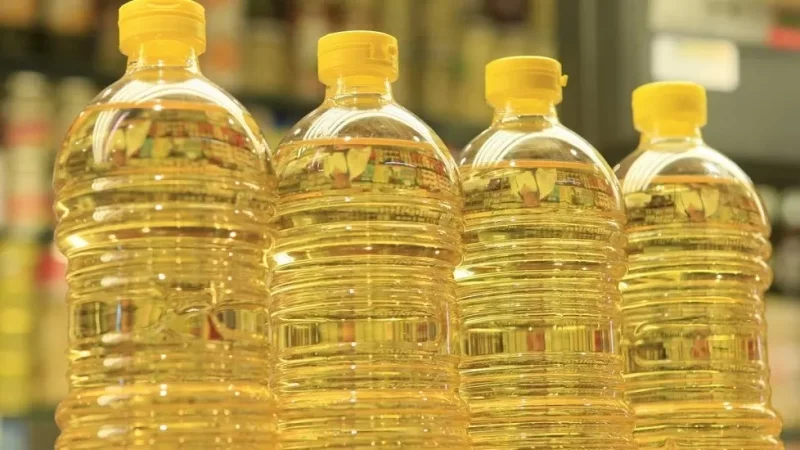
Recently, a video has circulated on social media regarding a supposed connection between the words "рафинированное, дезодорированное" on oil packaging and its poor quality or danger. Furthermore, it was claimed that if the bottle states "дезодорированное", it means it has been processed with oil products like hexane. This was reported by the Food Safety Inspectorate of Armenia.
To alleviate concerns raised by citizens who reported to the agency's hotline, the Inspectorate informed that vegetable oil is produced by either mechanical pressing or solvent extraction methods. The solvent extraction method, used for larger industrial quantities, is conducted under vacuum conditions in specialized towers. Subsequently, the extracted oil undergoes refining. One of the three phases of refining is deodorization, through which producers eliminate unpleasant tastes and odors.
While extraction may utilize hexane, if it is used, it occurs in such minimal amounts and so infrequently that the technical regulations for fat-and-oil products of the Customs Union do not even establish norms for this substance. Therefore, labels indicating refined or deodorized oil simply denote the level of purification of the vegetable oil and do not pose a health risk.
In such cases, the Food Safety Inspectorate relies on safety documentation and laboratory study results to ensure food safety. These results are compared with the threshold limits established by legal documents (in this case, the technical regulations for fat-and-oil products established by Decision No. 883 of the Customs Union Commission dated December 9, 2011). The absence of established limits implies no need for laboratory testing.
Thus, we are ready to confirm food safety not only through documentation but also through laboratory testing when the regulation is in place. Regarding documentation checks, if vegetable oil is imported from any EAEU member country and has accompanying safety certification, it is allowed to enter the country. However, if imported from a third country, it must undergo declaration procedures in Armenia and obtain a certificate of conformity (labeling is checked, laboratory testing is conducted, and a certificate of conformity and EAC mark is issued), which is verified by the Inspectorate during monitoring activities.
Նմանատիպ հոդվածներ



Ավելին Society բաժնից

Երևանում կներկայացվի ՀՀ ռազմարդյունաբերական ներուժը

Բացահայտվել է ընտրական բնույթի 78 հանցագործություն․ 24 անձ ձերբակալվել է

Գործարկվել է Բաքու–Թբիլիսի–Կարս երկաթուղին․ ներկա է եղել ՀՀ նախարարը