Without Artsakh, the existence of the Republic of Armenia will be even more endangered than today. Baroness Caroline Cox
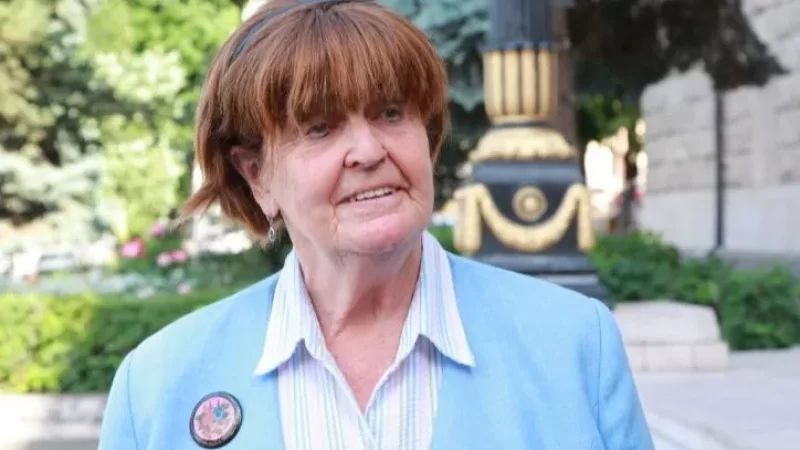
Member of the House of Lords in the United Kingdom, Baroness Caroline Cox has addressed the situation in Armenia and Artsakh in a letter: “Greetings: Let me start by briefly introducing myself: All that I ever say about myself is that I am actually a nurse, with the intention of being a sociologist, and unexpectedly, a baroness. I have not been involved in politics. I was the first baroness I ever met. You wake up one morning and see that the baroness is looking at you from the mirror in the bathroom. It’s quite shocking! But you think about how I can use the privilege of being in the House of Lords, which being a baroness gives you, and the idea came very clearly: It is a wonderful place to be a voice for those who have no voice. And that is how I use my role there, and what a privilege it is that I can speak on behalf of those whose voice is not heard, such as the people of Artsakh or Nagorno-Karabakh and the people of Armenia, whose voice is not heard as it should be. So, that is my privilege and that is the reason underpinning this speech.
To the people of Armenia— the first Christian nation: Your beloved homeland has inspired and humbled me during my many travels, and I have been blessed to personally participate in your joys and your sorrows: It has been a blessing for me to meet many wonderful people, many of whom are direct descendants of the victims of the Armenian Genocide in Anatolia, of the Armenian pogroms in Sumgait and Baku, and of the ethnic-religious cleansing in Artsakh. I was struck by the unanimity with which you share a simple common purpose: It is to live in peace, dignity, and security on your own land,” Cox said.
“My dear friends, that longing continues to fill my heart. Some of you may remember my first visit to Armenia over thirty years ago. It was a time of great uncertainty when the people of the then Armenian Soviet Socialist Republic bravely fought for democracy and independence while the Armenians of the Nagorno-Karabakh Autonomous Region began their brave campaign for the right to self-determination: The struggle for Artsakh became the catalyst for the independence of the Republic of Armenia. To this day it remains a crucial symbol of hope and unity for all Armenians, in every part of the nation and the diaspora. We all remember the horrors of the First Karabakh War and the immense suffering inflicted on your people by Azerbaijan. Tens of thousands lost their lives defending their homeland. I personally witnessed when Azerbaijan launched daily bombardments of 400 “Grad” missiles on Stepanakert, as well as bombed the homes of peaceful civilians with 500-kilogram bombs. I have witnessed the aftermath of massacres, atrocities, and forced displacements. And I recall with deep sadness that when the people of Artsakh called for help, the world chose not to listen.
In 2020, Azerbaijan, with the support of Turkey, resumed its efforts to capture Artsakh with impunity, bombing schools and hospitals, destroying places of worship, and torturing, murdering, and desecrating the bodies of Armenian captives. Dozens of Armenian military personnel and civilians continue to remain in Azerbaijani captivity, which constitutes a violation of the conditions of the carefully written ceasefire agreement, while Azerbaijani forces have advanced into the sovereign territories of the Republic of Armenia. The blockade of the Lachin corridor has created a humanitarian disaster in Artsakh, where the indigenous Armenian Christian population faces a growing likelihood of ethnic and religious cleansing from their historical lands. And yet, no country has responded to the pleas of the Armenian people. Neither the UN, nor the OSCE, nor the US and its NATO alliance, nor Russia and the CSTO have stepped in. No nation has restrained Baku's territorial ambitions against Stepanakert. Therefore, the question arises: Who from the international community will restrain Baku’s territorial ambitions toward Yerevan, Lake Sevan, or Zangezur? The political leadership of Azerbaijan has not concealed its strategic goal: to seize your homeland. If Artsakh falls, is there a danger that Armenia will suffer the same fate?
At this critical moment of vulnerability, I and many others are deeply pained by reports that the international powers are pressuring the Republic of Armenia to accept Azerbaijan's sovereignty over Artsakh. In exchange for this so-called peace treaty and trade agreement, the people of Artsakh, who have already endured so much suffering, are expected to renounce their right to self-determination under international law. More than 120,000 indigenous Armenians will become citizens of an anti-Armenian authoritarian state with a documented horrific history of human rights violations. The people of Artsakh will have to forfeit their lives, their freedom, and control of their land. And if they are forced to flee, which country will be ready to provide them with food, water, safe transportation, and shelter? Who will protect the most vulnerable—the disabled, the elderly, and families with young children?” Baroness Caroline Cox stated confidently that without Armenian Artsakh, the existence of the Republic of Armenia will be even more endangered than today.
The recent history has proven that Armenia is isolated from significant international support—even your closest allies have not effectively responded to the suffering endured by your people. “With the heaviest heart, we must face the disturbing possibility that the Armenian Genocide has never ended: There are forces that wish to complete it, and those who are unable or unwilling to stop it. It is entirely possible that what is being done to Artsakh may, in time, also be done to the Republic of Armenia. If, as a result of the treaty being negotiated between Azerbaijan and Armenia, Artsakh is surrendered now, then lasting peace cannot be guaranteed. Any such agreement must be presented to the democratically elected parliaments of both Artsakh and Armenia and can only be ratified if it is confirmed by the Armenian peoples of both countries through a democratic referendum.
At this critical moment in your great nation’s history, my hope and my prayer is that the entire Armenian community—the nation and every section of the diaspora—will continue to uphold the struggle for Artsakh as a symbol of unity. I, like so many others, believe in your ongoing capacity to overcome the present sufferings with courage, resilience, sacrifice, and love so that the long-suffering Armenian people may continue to live in peace and dignity in your historical lands. My dear friends, thank you for keeping the frontline of faith and freedom for the whole world and for the heavy price you have paid to do so,” she concluded.
Նմանատիպ հոդվածներ

Ավելին Politics բաժնից
Իրենք ոչ ընտրվել են, ոչ էլ՝ հաղթել. Իշխան Սաղաթելյան
Ավելի լավ կլինի, եթե ընդդիմությունը չգա խորհրդարան. Ռուբինյան
Մոսկվան պահանջում է Եվրոպայից հեռացնել ամերիկյան միջուկային զինանոցը