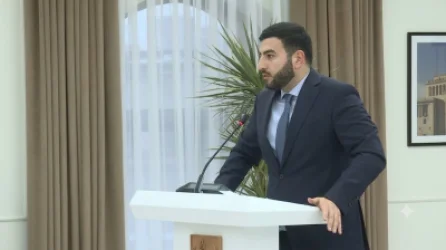
VIDEO: It Was a Geopolitical Trap, a Dead End - Pashinyan on the 44-Day War
The Prime Minister of Armenia, Nikol Pashinyan, gave an interview to CNN Primanews during his official visit to the Czech Republic on May 4-5. The government’s press service has released a transcript of the interview, from which we present the following excerpt:
CNN Primanews: Armenia is in a very complex political situation. Your large neighbor is Turkey, Russia is another major regional power, there is also Iran, and the European Union seems quite far away. But how can the EU realistically help solve Armenia's complex issue concerning Nagorno-Karabakh? Do we actually have options, are there any levers in our hands?
Prime Minister Nikol Pashinyan: Firstly, our strategy is precisely a result of what you mentioned. You see, you say we are in a complex geopolitical situation. In reality, we are not in a complex geopolitical situation; we are in a geographical situation. This means that our complexity does not stem from geopolitics, but from geography, because no matter how the world’s political situation changes, our geography will not change. And for this reason, especially now, we are offering our people the following political vision: our primary goal in foreign policy should be to establish normal relations primarily with our immediate neighbors. As complicated as it is—even to hear this—history has brought with it very significant complexities and a heavy negative burden.
CNN Primanews: You came to power as a result of the Velvet Revolution in Armenia, which reminds all Czechs of the Velvet Revolution of 1989. Two years later, you faced the biggest challenge for the Armenian people since the early 1990s. Did you expect to encounter such a challenge?
Prime Minister Nikol Pashinyan: I can say that before the revolution, I was once asked who my political role model was. I mentioned two names; if my memory serves me right, I said Nelson Mandela and Václav Havel. And indeed, the revolution we carried out has always kept those examples and the case of Czechoslovakia in my mind and in front of my eyes. Could I have imagined such challenges? Yes, I could have imagined, but on the other hand, I did not actually expect that it would not only be a challenge, but in essence, a geopolitical trap, and, essentially, a dead end. Of course, I think about this a lot, and naturally, I ask myself questions, and I must say frankly that so far I haven’t found answers to all my questions. One can always assume, but of course, a person is inherently an optimist and remains optimistic, although there is also this saying: the optimist is a poorly informed pessimist. Naturally, after assuming the position of prime minister, as I learned more, my optimism diminished.
CNN Primanews: Mr. Prime Minister, thank you for taking the time and I wish you success in your difficult task.
Prime Minister Nikol Pashinyan: I am grateful to you.
Նմանատիպ հոդվածներ

Interview: Pashinyan on Relations with Putin, War in Ukraine, and Disappointment with CSTO
Don't Overestimate, If the Road Cannot Pass This Way, It Will Pass That Way: Pashinyan on Tigranashen and Other Enclaves
Video: Bye-Bye Kemal: Erdogan Declares Victory and Sings in Front of Supporters
VIDEO: Either You Stand for Artsakh, or You Stand Against the Entire Armenian Nation – Ruben Vartanian
Ավելին Politics բաժնից
Կաշիները քերթվելու ա. Ավինյանը ընդդիմությանը
ՄԻՊ-ը մտահոգիչ է համարում Երևանի ավագանու միջադեպը և դատապարտում է բռնության դրսևորումները
Հայաստանը դարձել է ՏՀԶԿ «Կանաչ գործողություններ» խմբի փոխնախագահող երկիր