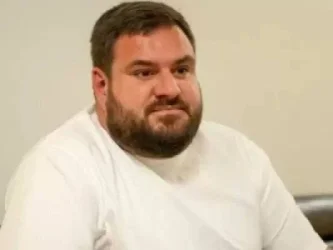
Interview: Pashinyan on Relations with Putin, War in Ukraine, and Disappointment with CSTO
The Prime Minister of Armenia, Nikol Pashinyan, gave an interview to CNN Primanews during his official visit to the Czech Republic on May 4-5. The government's press service has released a transcript of the interview, from which we present the following excerpt:
CNN Primanews: Armenia has been quite dependent on Russia for security since the early 90s, you have a Russian military base in Armenia, you have Russian weaponry, both of you are members of the security treaty organization, so I have a sort of dual question – was it a smart move, and did you have other options?
Prime Minister Nikol Pashinyan: Essentially, we are currently in a situation where there is certain disappointment regarding the activities of the Collective Security Treaty Organization (CSTO), because the CSTO is the main mechanism through which the Republic of Armenia should ensure its security. However, during the aggressions undertaken by Azerbaijan in May and November 2021 and September 2022, the inappropriate response of the CSTO has caused considerable disappointment, primarily among the Armenian people, because there was a certain confidence that the CSTO would reliably ensure security. But that did not happen, which is also why we found it impossible to establish consensus on several fundamental documents during the summit of the CSTO in Yerevan. But I want us to examine the issue from the opposite side as well, because this is also damaging for the organization, as what happened during the mentioned period impacts the credibility of the CSTO itself. That is to say, this will also have certain repercussions for the organization itself.
CNN Primanews: I think throughout the war, and during the summit in Yerevan last November, when you refused to sign a document, Mr. Lukashenko was stunned, and Mr. Putin was evidently angry; I hadn’t seen him that angry for a long time, and he left angry.
Prime Minister Nikol Pashinyan: These are working situations, and after the summary you mentioned, a working lunch took place, where we calmly discussed the current state of affairs and how we can overcome the created situation in an atmosphere of mutual respect.
CNN Primanews: What are your personal relations with Vladimir Putin like? He seems a very cold person, almost without emotions. Do you have working relations with him, or personal relations, or is it just a matter of state affairs?
Prime Minister Nikol Pashinyan: Overall, I must say that the impressions visible on screens differ from real-life impressions and the complications we are experiencing. Our communication with the President of the Russian Federation has been quite intense and continues to be intense. We will meet at least twice this month. And I must say that it is both personal contact and political contact and working contact. One other thing is that especially right now we aren’t discussing very much, or almost not discussing, the issues that don’t relate to our bilateral relations agenda or our regional agenda. Let me tell you honestly, Armenia has far more significant problems than to carry the burden of the broader region and continents on its shoulders. Our troubles, unfortunately, are more than sufficient, and we are trying to resolve our agenda issues with the European Union, the United States, and Russia, which, as you can see, is unfortunately not always successful.
CNN Primanews: What is Armenia's position on the war in Ukraine and the Russian aggression against Ukraine? Because on one hand, you are an ally of Russia, and on the other, we are witnessing very undesirable actions by the Russian Federation in Ukraine.
Prime Minister Nikol Pashinyan: You mentioned that we are allies of Russia. Of course, it has never been stated aloud, but I think this is visible. We are not Russia's ally in the war against Ukraine. Our sentiment regarding this war and this conflict is one of concern, because it directly impacts all our relations. In the West, they notice that we are allies of Russia; more so they see that in Russia, we are not their ally in the war in Ukraine, and it turns out that we are in a position where we are allies of no one, which means we are vulnerable. Because, additionally, it seems that there is a way to navigate between these conflicts, but the truth is that as the situation becomes more complicated, the possibility to maneuver also narrows. We are not maneuvering because we lack opinions on the situation, but we are maneuvering because, as I mentioned earlier, our problems, unfortunately, exceed those that would allow us to be more engaged in resolving other issues.
Նմանատիպ հոդվածներ
Don't Overestimate, If the Road Cannot Pass This Way, It Will Pass That Way: Pashinyan on Tigranashen and Other Enclaves
Video: Bye-Bye Kemal: Erdogan Declares Victory and Sings in Front of Supporters
VIDEO: Either You Stand for Artsakh, or You Stand Against the Entire Armenian Nation – Ruben Vartanian
VIDEO: Putin Congratulates Erdoğan as Thousands Gather in Ankara
Ավելին Politics բաժնից
Իրենք ոչ ընտրվել են, ոչ էլ՝ հաղթել. Իշխան Սաղաթելյան
Ավելի լավ կլինի, եթե ընդդիմությունը չգա խորհրդարան. Ռուբինյան
Մոսկվան պահանջում է Եվրոպայից հեռացնել ամերիկյան միջուկային զինանոցը