The Password Was Armani's Birthday, We Heard It Was October 22, We Came Out and They Found Us: Testimony of a Soldier
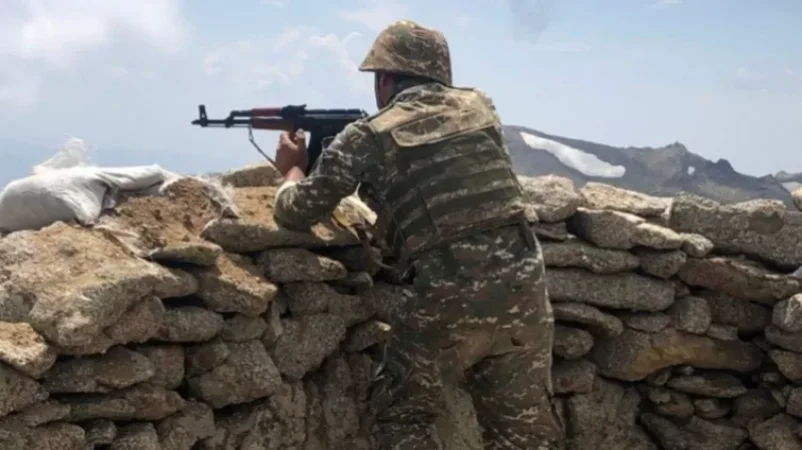
During a court session regarding the case of battalion commander Ishkhan Vahanian, Arsen Aivazyan, who survived 70 days of blockade during the 44-day war, provided details about the retreat and blockade he experienced. This was reported by Hetq.
“On October 10, 2020, the Azerbaijanis attacked the Khurhat mountain near the city of Hadrut, where the 5th battalion of conscripts was located, mostly consisting of two-month soldiers. Battalion commander Ishkhan Vahanian left the troops behind and fled down the mountain, claiming he was injured. Left without their battalion commander and suffering losses, the soldiers descended the mountain. Some, unaware that the city of Hadrut had been captured, headed in that direction, either dying or becoming encircled,” said Arsen.
Vahanian is accused of leaving the conscripts to fight alone during the battle on Khurhat mountain and abandoning combat positions. He does not accept the charges against him. According to Arsen, he last saw Vahanian before the attack at the bottom of Khurhat mountain. “I heard that he fled; I didn’t see him personally,” he stated.
The conscripts' battalion had been at a school in Hadrut before ascending Khurhat. “As far as I know, there was an artillery strike on the school, and at dawn, we were ordered to ascend Khurhat. We positioned ourselves on the left and right side of the mountain, facing Hadrut city and the opposite side, awaiting an attack,” Arsen recounted.
He mentioned that aside from the squad sergeant, who led the squad's actions, the officers present on Khurhat included Arsen Garibyan, Hovhannes Muradyan, and Haykaz Grigoryan, while Vahanian was below. He did not clearly know who gave the orders or how they were to be positioned, as the soldiers communicated orders among themselves. According to witnesses, the Azerbaijanis attacked Khurhat on October 10.
“I remember it was bright; before that, there had been artillery strikes during the night, and already in the morning, we heard ‘Allahu Akbar’ and gunfire. As far as we understood, the Azerbaijanis attacked us from two sides—on the front and encircled us from the upper side of the mountain,” he commented.
Arsen stated that the Armenian side opened retaliatory fire; however, he did not hear any commands from the officers during the attack. “There was tremendous panic during the fight; I turned around to see who was beside me, and there were no comrades left from our command. Without orders, we began firing at the enemy. The exchange of gunfire lasted a few minutes. I was taking the wounded down with other soldiers; our driver, Tigran from our group, was injured, and we took him down. There were vehicles supposed to evacuate the wounded. As far as I have heard, the wounded were taken away by Kamaz trucks. When we got down, I met with a senior lieutenant commander who told us we had to go up to the mountain to our left and retreat, not go on the main road. We brought down the injured; we didn’t go back up; we retreated. I don’t know if anyone was left up there. The squads had already mixed, and there were no separate squads left,” he explained.
“We were descending along the road when we received orders that it was dangerous to go that way; they told us we had to head toward Sarishen because our guys were there. As we ascended, a group remained behind; Hovhannes was with me, a volunteer uncle, and a few soldiers,” he continued.
Prosecutor Gevorg Avetisyan asked, “Mr. Avetisyan, is there a photograph of this man (referring to the uncle)?”
“No, operational-intelligence measures were carried out, but they did not yield positive results. We know the uncle’s name was Artyom,” Gevorg Avetisyan responded.
Witness Arsen Aivazyan continued his account, remarking how heavy rain made the ascent difficult, causing their group to pass another group, after which they heard gunfire and realized they were encircled. “Hovhannes called, I believe, Garibyan, and said that we are encircled. If you haven’t reached that village, descend. A group also joined us, those who could not reach Sarishen. We figure we are about 98 people, and Hovhannes Muradyan also calls an intelligence officer; I can’t remember, he introduces himself, asking if there are Armenians in Hadrut’s regiment, as far as I know, they responded that they would call us back in a minute and let us know. It was communicated that there were men in Armenian uniforms standing there, but we don't know if they are Armenians,” he elaborated.
“Then there was some conversation; there is a gorge over there where we have to descend, right next to the houses of Hadrut’s regiment, and the uncle says that the guys are there under siege; we have to go down and rescue them. We decide to descend; when going down the gorge, Sergeant Harout was behind me, he said someone popped their head out from the mountain and saw us, after which they began throwing grenades. I descended into the gorge; the grenades exploded, and we significantly thinned out then,” he recounted.
They then helped the wounded down into the gorge and waited there. “As far as I know, Hovhannes was killed on the road; we had about 25 wounded remaining in the gorge, and four severely wounded died overnight. The next morning we heard the sounds of the Azerbaijanis; at one point, they said, ‘mortar, tank, and next to them, a mortar exploded, we understood it was time to leave there. By dawn, we were 20 people, heading down toward Vank village. We saw that we could enter the first house on the right side of the road through its window; we waited there for a few days. During this period, calls were made to Garik Varderesyan, and he said everything was fine; we are coming behind you, but they did not come. Some time later, the Azerbaijanis saw us, shouting in Russian, ‘Come out, we know you are there, you are encircled,’ but they did not come. We positioned ourselves overnight and waited; no one came. The next day, an official came from their side in their car, approached the house, came forward, said something, and went back. When he came forward, suspicious, he came close; one of the guys shot him. We left and went into the forest,” he continued.
Arsen stated that from October 15, they remained in the forest without communication. “We waited a long time in the forest; when we started to freeze, as it was leaf-fall, a decision was made that we had to split up; we were seeing different ways to exit; we decided to isolate ourselves into groups of six. After separating, we no longer had any information about the others. At first, we were hiding in the roof of one of the village houses, then an Azerbaijani tried to climb up, but we had heavy objects blocking the entrance, and he couldn’t open it. We decided that we had to move at night,” he explained.
At night, they took food and water and went in the direction from which they had come. They tried to establish contact, but gunfire was heard. “We decided to head toward Tsor village. We found some caves, a rocky area, and entered; we waited for several days, deciding what we needed to do, and then the idea arose that we should go to Persia. By December 17, our food and water were running out; we saw some greenery and realized we were probably back around Jabrail; it was a destroyed village. Two of the guys went to the village to see if there was water, and a few minutes later, they returned saying that there was; we went there, realizing there was communication; we called and were informed that the war was over. We asked how to reach Persia. We turned off the phone, setting a time to meet. On December 18, they told us to explain our location, and they would try to get us out. They told us, ‘We are 99.9% sure of where you are; don’t go anywhere.’ We invented a password: ‘October 22,’ which is Armani’s birthday, so, for instance, if someone called my name, I wouldn’t come out. This process lasted three days; we heard ‘October 22,’ and we came out. The Red Cross greeted us, along with Russian soldiers, some Azerbaijanis, and Armenians. They found us,” Arsen recounted.
Նմանատիպ հոդվածներ
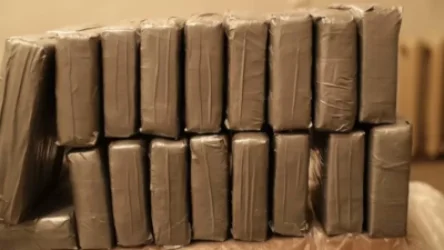
Director of Import and Purchasing Department of 'Mrgini' LLC Arrested in Cocaine Case
Mother and child were guests in that house: details of the tragic incident

70% of Food Poisoning Cases in Armenia Involve Chicken Meat, Reports the Food Safety Inspection Body
Azerbaijanis Destroy Memorial Dedicated to World War II Victims in Berdzor
Ավելին Society բաժնից
Գյումրիի «Մայր Հայաստան» հուշահամալիրի տառերը պոկած տղամարդը ձերբակալվել է
ՏԵՍԱՆՅՈՒԹ՝ համացանցը ցնցած ողբերգությունից․ աշխատակիցները մոռացել էին ամրացնել անվտանգության պարանը
Երեխայի առողջության շուրջ սկանդալային բացահայտում․ ձերբակալություն Արագածոտնի մարզում