70% of Food Poisoning Cases in Armenia Involve Chicken Meat, Reports the Food Safety Inspection Body
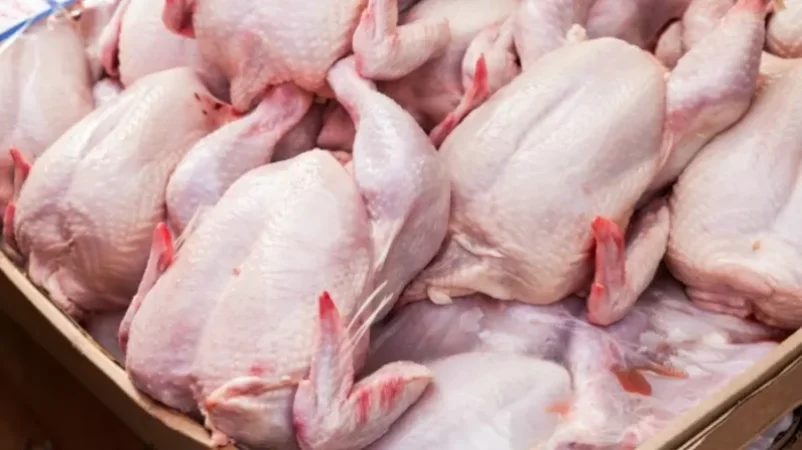
Analysis of food poisoning cases recorded by Armenia's Food Safety Inspection Body over the past few years has revealed that, contrary to the misconception that any intestinal infection is solely due to food factors, the overwhelming majority are caused by secondary or cross-contamination (transfer of bacteria and viruses from hands to food), according to the FSIB.
In developed countries around the world, the cases of poisoning registered every year are largely attributed to human factors such as cross-contamination, violation of storage conditions, improper washing and sanitization, and inadequate adherence to personal hygiene rules. According to data published by the World Health Organization, 600 million people fall ill each year due to consumption of food contaminated with microorganisms.
Although the number of poisoning cases in Armenia decreased 2.5 times in 2022 (from 18 cases involving food operators in 2021 to 7), which is also a result of the effective oversight of the Inspection Body, it is essential for consumers to pay attention and behave responsibly to make the issue predictable and manageable.
The analysis of poisoning cases identified two risks: approximately 90% of poisoning cases are recorded in public catering establishments, where inspections revealed mainly sanitary-hygienic violations and discrepancies in staff’s preliminary and periodic medical examinations. In 70% of poisoning cases, the food involved was chicken meat.
The Inspection Body has developed and is implementing control mechanisms within its functions; however, public vigilance is a powerful and effective measure to prevent shortcomings in food safety and minimize instances of poisoning caused by food or cross-contamination. Active cooperation with the public aimed at eliminating food poisoning is one of the priorities for the Food Safety Inspection Body.
Նմանատիպ հոդվածներ


Ավելին Society բաժնից
Արցախցի երեխայի հեղինակած նկարը, որը հեռացվել էր դպրոցից, վաճառվել է աճուրդով
«Առինջ մոլի» աշխատանքը խաթարված է. աշխատակիցները բողոքի ակցիա են անում

Նոր կարգ՝ նորակառույց բնակարանների գնման գործընթացում