US State Department Addresses Religious Freedoms in Armenia
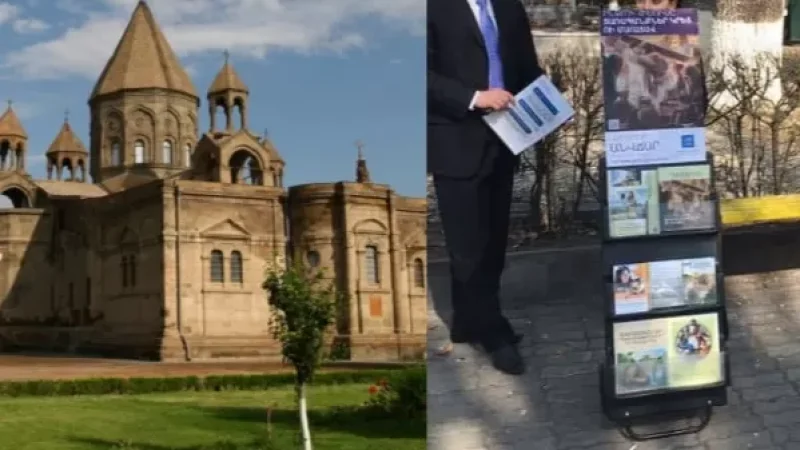
The US State Department has released its annual report on religious freedoms, which also includes developments related to religious freedoms in Armenia over the past year, according to Voice of America.
During the presentation of the report, US Secretary of State Antony Blinken stated that governments worldwide continue to target religious minorities using various violent methods.
The report expresses concern about the repression of religious minorities in China, Iran, and Russia, as well as actions taken by the ruling regime in Myanmar and the Taliban in Afghanistan.
At the same time, the State Department's report highlights progress in some regions of the world, such as the Central African Republic, where a special criminal court has been diligent in investigating cases of religious violence against citizens.
The report also addresses the developments concerning religious freedoms in Armenia. It notes that the Armenian Constitution recognizes the unique mission of the Armenian Apostolic Church in the spiritual life of the Armenian people and its role in the development of national culture and the preservation of national identity. It also stipulates that national minorities have the right to maintain and develop their traditions, religion, language, and culture.
Furthermore, the report reminds that the country’s new criminal code, which came into effect on July 1, prohibits 'obstructing the right to freedom of religion' and provides appropriate penalties for violations.
According to the State Department, the majority of religious minorities in Armenia claim that, overall, public attitudes toward them have been positive over the past year, and negative media coverage about them is either absent or minimal. Reported incidents, according to representatives of religious minorities, reflect the attitudes of certain clergy rather than the approach of the Armenian Apostolic Church.
The report also discusses the relations between the church and government in Armenia, noting, 'The media continues to discuss what is presented as a deterioration in the relations between the Armenian Apostolic Church and the government concerning the government’s policy aimed at resolving the Nagorno-Karabakh conflict.'
According to the document, 'the government continues to remove the 'History of the Armenian Apostolic Church' course from the mandatory school curriculum while including significant historical content within a broader educational program on Armenian studies.'
As per the US State Department's publication, Armenia's Jewish community recorded a significant decline in anti-Semitism compared to the previous year. This increase in anti-Semitic sentiments in Armenia during the previous year was attributed to Azerbaijan’s use of Israeli-made weapons during the 2020 war.
The report notes that hundreds of Jews who moved from Russia to Armenia after February 2022 have only had positive impressions.
The section of the report concerning Azerbaijan addresses Armenian churches and cultural heritage sites. It cites a study by Cornell University’s Caucasus Heritage Watch (CHW), based on satellite imagery taken throughout the year. According to the report, approximately 98% of medieval and more modern Armenian monasteries, churches, and cemeteries in Nakhichevan were destroyed between 1997 and 2011.
The report quotes media articles from February 3, which stated that Azerbaijan's Minister of Culture Anar Karimov announced the creation of a working group to remove 'traces invented by Armenians from (Caucasian) Albanian religious temples.' However, days later, the ministry clarified that the minister had made incorrect quotes and that any 'forgery' discovered by the working group would not be removed but would be presented to the international community.
The report also cites data from the Azerbaijani state office concerning religious organizations, stating that in Nagorno-Karabakh and surrounding areas which were under Armenian control until 2020, 63 out of 67 previously existing mosques were completely destroyed, while four were partially destroyed. According to the report, last year the Azerbaijani Ministry of Culture announced that all Christian monuments in Nagorno-Karabakh and surrounding territories have been included in the list of national significance monuments and in a state program for the restoration of religious heritage sites.
However, the report references studies by Caucasus Heritage Watch (CHW) indicating that churches were also destroyed in Azerbaijan last year, replaced by mosques or civil buildings, as in the case of the Saint Thaddeus Monastery or the Saint Sergius Church. The destruction of the latter was recorded by CHW from March to July and was reflected in the International Court of Justice's decision in December 2021, which called on Azerbaijan to prevent such incidents.
Նմանատիպ հոդվածներ




Ավելին Other բաժնից

20:00 Լուրերը մեկ տողով. Կարապետյանի տնային կալանքը երկարաձգվեց, Մասկը տուգանվեց

19:00 Լուրերը մեկ տողով. Գայլերի հարձակում, նոր հայտարարություններ, դատարանների թեժ զարգացումներ

18:00 Լուրերը մեկ տողով. Էլեկտրոմոբիլների քվոտան սպառվում է, ԱԷԿ-ը նոր ֆինանսավորում է ստանում