‘We must hold on to Pashinyan’s hand right now, otherwise it will be too late’ - Vardan Oskanyan
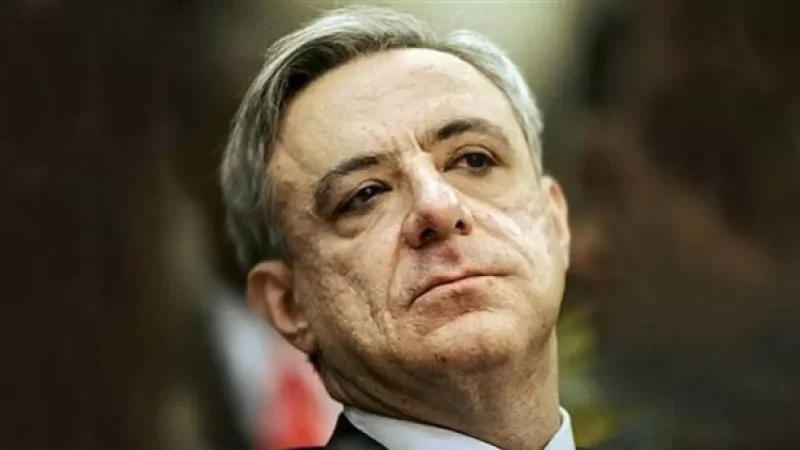
It is evident that we are entering the final phase of the surrender of Artsakh. Every meeting of Pashinyan in any geographical location deepens and makes the process of surrendering Artsakh irreversible. In a column for Mediamax, former Armenian Foreign Minister Vardan Oskanyan wrote: ‘During the Brussels meeting, the issue became more complicated and deepened when Pashinyan fell into his own trap. He spoke so much about the 29,800 square kilometers that Aliyev himself has now made a demand regarding the recognition of his country’s square kilometers, which, of course, leaves no room for interpretation that the Nagorno-Karabakh Autonomous Region is not included.’
‘Signing any document with the provisions described by Charles Michel means that from the moment of signing, Artsakh will turn into Javakhk and, unlike Javakhk, it will transform into Nakhichevan after some time, perhaps a decade. If Pashinyan’s hand needs to be held to prevent him from signing such a document, the time is now. Otherwise, it will be too late. I believe that the Armenian people have all kinds of rights to prevent Pashinyan from taking that step. First, Pashinyan simply does not have the right to sign such a document. Legally, that document would contradict the Constitution of Armenia and the decision of the Supreme Council of independent Armenia adopted in 1992. To sign and ratify such a document, the Constitution of Armenia would need to be amended, and the Supreme Council’s decision would have to be annulled.’
‘Second, no one has the right to such authority. Having a majority in elections does not mean acquiring the right to make arbitrary decisions on existential issues for the Armenian people. Third, the people of Artsakh, who bear the brunt of decades of deprivation and suffering, have not given anyone the authority to determine their fate. Fourth, there is a provision in the program of the government headed by Pashinyan, approved by the National Assembly of Armenia, which states that efforts must be made to realize the right to self-determination of the people of Artsakh based on the principle of ‘separation for salvation’, which is an undeniable right of the people of Artsakh.’
‘Moreover, immediately after the end of the Cold War, among the more than fifty current movements for self-determination around the world, we Armenians would be the first and the only ones to renounce our rights. If Armenia, the Armenian people, and Artsakh ever forcibly or voluntarily renounce their inalienable right to self-determination and accept Azerbaijani sovereignty over Artsakh, then this will become a precedent in the world that will subject us to a low and humiliating assessment of the qualitative valuation of the will of peoples.’
‘It is also regrettable that among the more than forty movements for self-determination existing today, the strongest and most justified historical, legal, and political grounds belong precisely to the movement for the self-determination of Artsakh. Historically, the people of Artsakh have lived and survived in this territory for millennia. Moreover, today, the most Armenian part of our two states populated by Armenians is precisely Artsakh. Throughout history, when Armenia has been subjected to raids by different nations, Artsakh has always maintained at least its semi-independent status.’
‘Legally, the bases for the right to self-determination of Artsakh are simply bulletproof. The prerequisites for the claim of the right to self-determination have been entirely met in the past and today. Politically, Artsakh has a negotiating background of more than three decades, during which at some point the international community, through the mouths of mediators, has considered the free and uncoerced expression of will of the people of Artsakh as the optimal way of peaceful resolution to the issue. I continue to believe that we have not exhausted our diplomatic possibilities and that there are serious alternatives today that are favorable to Armenians to everything that the authorities of Armenia are doing. Since the 44-day war, Armenia’s diplomacy has made almost no serious efforts to achieve a favorable outcome for Armenians. Any result of negotiations should at least improve the relations between the parties. The path chosen by the Armenian authorities cannot satisfy this condition. Perhaps signing such a document would establish friendly relations between the current authorities and Azerbaijan, but it cannot serve as a basis for friendship between the state of Armenia, the Armenian people, and Azerbaijan.’
Նմանատիպ հոդվածներ

Ավելին Politics բաժնից
ՏԵՍԱՆՅՈՒԹ. Փաշինյանը կարող է այդ ասֆալտին մենակ հեծանիվ քշել կամ Ալիևին հրավիրել. Սամվել Կարապետյան
Քոչարյանը նշել է` ինչ կլինի Փաշինյանի վերընտրվելուց հետո
ՄԻՊ-ն անդրադարձել է քարոզարշավի պատճառով ուսումնական գործընթացի խաթարմանը