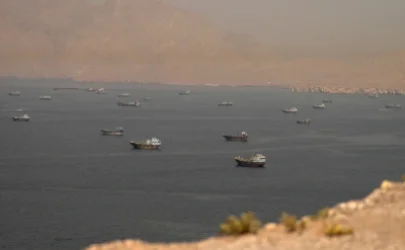
No one expects that Artsakh and its authorities will simply give up everything they have fought for, says Wurliak

James Wurliak, a former American co-chair of the OSCE Minsk Group, considers it unrealistic to expect a final agreement between the parties at this stage, writes "Voice of America." According to him, there are many unresolved issues including communication, refugees, borders, management of natural resources, and other matters.
Ambassador Wurliak particularly emphasizes the issue of the status of Nagorno-Karabakh, stating that without resolving the status question to the satisfaction of both sides, it is impossible to achieve lasting peace.
"I am not talking about independence for Nagorno-Karabakh. I do not believe this issue is on the negotiating table, especially from Azerbaijan's perspective, but there could be a certain degree of self-determination that is acceptable to Baku," Wurliak said.
He argues that recognizing Azerbaijan's territorial integrity has been a very complex issue for Armenia, which means accepting that Nagorno-Karabakh is part of Azerbaijan. Today, Armenia is moving in that direction, though it remains unclear what wording this will take in the documents, the former ambassador notes.
According to him, Baku must also display that there will be a certain level of self-determination in Nagorno-Karabakh for it to be acceptable to Armenia. Wurliak also considers the question of the Lachin corridor—a route that connects Nagorno-Karabakh to Armenia—a critical issue.
"No one expects that Nagorno-Karabakh and its de facto authorities will simply give up everything they have fought for over the last decades. I believe there must be some recognition that there is a community in Nagorno-Karabakh, and that they should have a status that is agreed upon by Armenia, Azerbaijan, and the de facto authorities of Nagorno-Karabakh," he stated.
Another important issue in the negotiation process, according to Wurliak, is the presence of Russian peacekeepers, which is related to Russia's involvement.
"The ceasefire facilitated by Russia cannot be ignored as it is the foundation on which we stand today. Is that the only foundation, and does it somehow give Moscow leadership or privilege in future negotiations? Definitely not," he insists.
It is worth noting that the day before, Armenia and Azerbaijan concluded negotiations that started on May 1 at a training center of the U.S. Department of State located in Arlington, adjacent to Washington, D.C. At the conclusion, the parties issued a joint statement agreeing to continue discussions.
Yerevan and Baku announced that they had made progress in mutual understanding on some articles of the draft bilateral agreement on "Establishment of Peace and Inter-State Relations," but positions on several key issues remain divergent.
According to U.S. Secretary of State Antony Blinken, these negotiations demonstrate that the parties recognize that dialogue is the only way to achieve sustainable peace.
Նմանատիպ հոդվածներ
Armenian Foreign Ministry on Negotiations Held in the US
Yerevan Not Interested in Normalizing Relations with Ankara, Says Erdogan's Administration
French Foreign Minister Calls Artsakh an 'Enclave of Azerbaijan'
Direct Negotiations Are the Best Way to Reach Agreement Between Azerbaijan and Armenia: Aliyev
Ավելին Politics բաժնից

Թրամփ․ «Սպասում ենք հրադադարի բոլոր ճակատներում, ներառյալ Լիբանանում»
Իրանը համաձայնել է ԱՄՆ-ի հետ հուշագրի ստորագրմանը՝ պայմաններով
Թրամփը չի բացառել տարբեր սցենարներ Իսրայելի քաղաքական դաշտում