30 Years Later, Artsakh Faces the Same Existential Threat Again, Says Republic of Artsakh Foreign Ministry
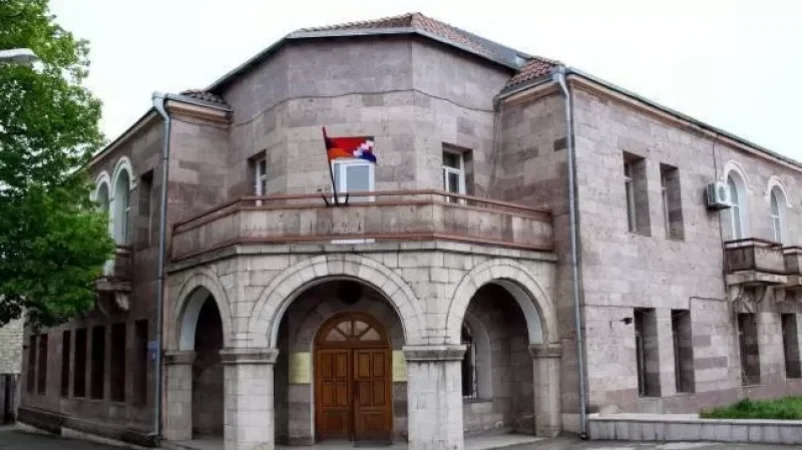
The Foreign Ministry of Artsakh has issued a statement on the occasion of the 32nd anniversary of the "Ring" operation. The message states:
"Exactly 32 years ago, on April 30, the 'Ring' ("Кольцо") operation commenced, the name of which already indicated its punitive nature. The primary objective of this operation, carried out in several phases from April to August 1991, was to suppress the will of the people of Artsakh (Nagorno-Karabakh) by force and create conditions for their emigration from their homeland.
In particular, during the months of April-August 1991, units of the Ministry of Internal Affairs of the Azerbaijan SSR's OMОН, together with the internal troops of the USSR Ministry of Internal Affairs and units of the 4th Army (23rd division stationed in Ganja), initiated a large-scale military action for the deportation of the Armenian population of Artsakh.
Starting from the beginning of 1991, the idea that Armenians should be expelled from Karabakh if they do not submit to Azerbaijan began to be voiced periodically at the highest levels in Azerbaijan. On March 25, 1991, the Azerbaijani OMОН began regular shelling of the villages of Getashen and Martunashen. On April 16, energy supply to the Shahumyan district was cut off, and phone connections were severed. On April 19, troops of the Soviet Ministry of Internal Affairs stationed in the village of Getashen withdrew. On April 21, flights between Yerevan and Shahumyan were prohibited at the request of Baku.
On April 30, with mass shelling of the villages of Getashen and Martunashen, the 'Ring' operation began, during which tanks, combat helicopters, and artillery were used against the civilian population for the first time. Armenian villages were systematically encircled by units of the internal troops of the USSR Ministry of Internal Affairs and the Soviet Army. Subsequently, Azerbaijani OMОН and militia would enter these villages under the pretext of "passport regime checks," but in reality, to kill, rob, terrorize, and subsequently deport the Armenian population.
As a result of the operation, more than two dozen villages in Northern Artsakh, as well as in the regions of Shahumyan, Hadrut, and Shushi, were completely deserted and destroyed. Nearly ten thousand people were displaced, over a hundred were killed, and several hundred were taken captive, many of whose fates remain unknown to this day.
The 'Ring' operation, marked by extreme brutality and massive human rights violations, sharply increased the level of tension in the region, moving the Azerbaijani-Karabakh conflict into a military phase, becoming a precursor to Azerbaijan's subsequent large-scale aggression against the Republic of Artsakh.
Unfortunately, the mass crimes and human rights violations committed during the 'Ring' operation have never received appropriate political, legal, and moral assessment from the international community, while the ideologues, organizers, and implementers of this punitive operation remain unpunished.
As a result, today we see how the crimes that occurred 30 years ago are repeating and remaining unpunished, including military aggression, territorial occupation, killings, ethnic cleansing, and terrorism against the people of Artsakh. The current leaders of Azerbaijan express the same sentiments: if Armenians do not agree to submit to Baku, they must be expelled from Karabakh. Just like 30 years ago, all this is happening with the silent approval and shocking indifference of the international community, within an atmosphere of complete impunity and lawlessness.
Today, the people of Artsakh find themselves again encircled, as Azerbaijan has been continuing its blockade for more than four months, officially closing the Lachin corridor and attempting to establish an illegal checkpoint in the area of responsibility of the Russian peacekeeping forces, thus grossly violating one of the fundamental points of the trilateral statement signed by the President of Azerbaijan on November 9, 2020.
The fact that 30 years later, Artsakh is once again facing the same existential threat as at the very beginning of the contemporary phase of the Azerbaijani-Karabakh conflict proves that the intent to destroy the people of Artsakh is part of Azerbaijan's state policy, the foundations of which were laid back in the Soviet era, and which has been systematically and consistently implemented by all the authorities of that country.
Today we bow our heads once again in memory of all innocent victims of the brutal and criminal 'Ring' operation and urge the international community, and especially the UN Security Council, which bears immediate responsibility for maintaining international peace and security, to finally abandon the protocol statements of concern and calls addressed to both sides, and take urgent and practical steps to prevent the recurrence of such atrocities and massive human rights violations, as well as Azerbaijan's genocidal and expansionist intentions against Artsakh and Armenia.
We are convinced that the first step in this direction could be persuading, and if necessary, compelling the authoritarian leadership of Azerbaijan to fulfill its international obligations and comply with international legal norms, including the legally binding decisions of the International Court of Justice. Without all of this, any reference to an international order based on international law is unfounded."
Նմանատիպ հոդվածներ


Ավելին Politics բաժնից
«Ուժեղ Հայաստան» դաշինքը պահանջում է չեղարկել խորհրդարանական ընտրությունների արդյունքները
Այսօր փակում են այդ լեգենդար ամբիոնը. Կարեն Քոչարյան
Ուկրաինան երկարաժամկետ պատժամիջոցներ է սահմանում Ռուսաստանի դեմ