Legitimacy of Diplomas Issued by Armenian-Russian University at Risk
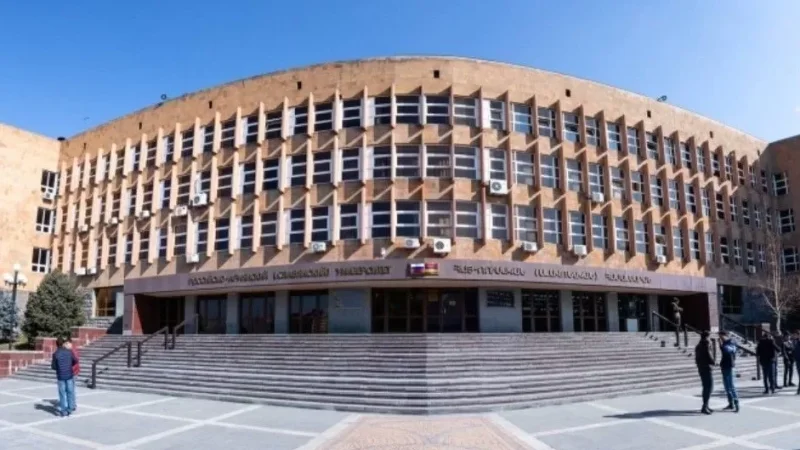
Tensions at the Slavonic University are not easing. This is reported by the newspaper "Hraparak."
“During a forced reprimand with students, Darbinyan clarified that there will no longer be a rector of the university, with consequent implications. The most concerning issue for students is the fate of the diplomas to be issued this year. The matter is that there cannot be a legally appointed acting rector at the university, as stipulated in the founding documents, someone who is obliged to sign all graduation documents. This statement was made by the Deputy Minister of Higher Education and Science of the Russian Federation. However, rumors are circulating at the university that, despite legal prohibitions, the Russian founders are imposing an illegal appointment of an acting rector not provided for in the founding documents.
This situation has angered students in their final year and their parents, with parents calling the university daily to clarify the fate of their children's diplomas. No one is able to provide a coherent answer to concerned parents; the university has no information about the founders' final decision. Moreover, according to circulating news at the university, final year students and their parents are preparing to initiate a new petition directed at the founders to defend their rights and the fate of their children.
One worried parent, who wished to remain anonymous for understandable reasons, stated that they will not allow anyone to play with their child’s future, nor will they tolerate their paid tuition being wasted and receiving some illegal document in return for the substantial fees they have paid,” the newspaper wrote.
The press service of the Armenian-Russian University told Auroranews, “We hope that the founders of the Armenian-Russian University, the Russian Federation and the Republic of Armenia, will base their actions on the provisions contained in the existing interstate agreement. The founders are obliged to ensure the legitimacy of the next rector and thus their election according to existing legal regulations.”
Նմանատիպ հոդվածներ

Ավելին Society բաժնից
Հայաստանի մասին նոր զեկույց․ ուշագրավ մանրամասներ
Մայր Աթոռ Սուրբ Էջմիածինը հայտարարություն է տարածել
Հորդառատ անձրևները կվերսկսվեն. հնարավոր է նաև կարկուտ, քամու ուժգնացում