Religious Figures Reflect on Pashinyan's Remarks
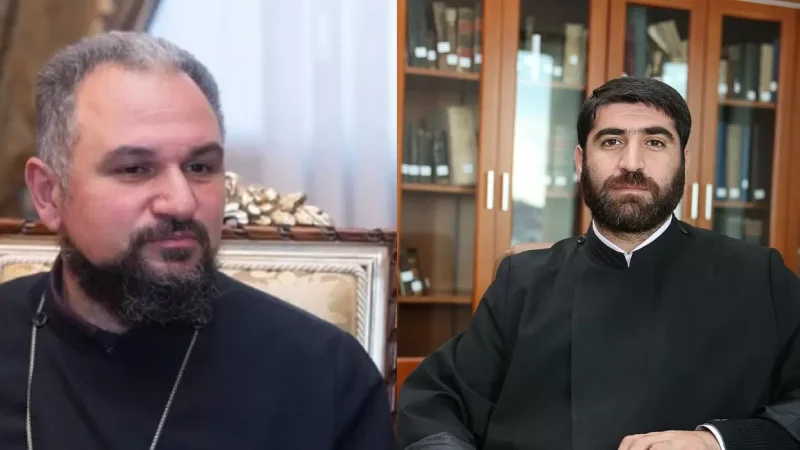
Ararat priest Poghosyan and senior priest Vahram Melikyan have commented on Nikol Pashinyan's statements. In citing the words of Apostle Paul, it is important to be cautious as they carry a boomerang effect, wrote Ararat priest Poghosyan.
The publication states: “The words of Apostle Paul about obeying authorities (Romans 13:1-4) are interpreted in various ways, often leading to temptations for many scholars and theologians. Absolute authority is explained through concern for the common good. This guardianship is entrusted by God to the leader, which can manifest as the use of force against foreign invaders to protect society. Augustine, referencing Paul’s words (Romans 13:1-4), interprets them as permission for rulers to use force against adversaries to protect the common welfare within their territory (morally justified). Thomas Aquinas believes that if any ruler violates God’s commandments and the Church's orders within their jurisdiction, there can be popular resistance against such rulers, which the Church does not oppose, as this struggle is perceived not against the nature of authority, but against the manner and execution of the granted authority.
Therefore, when citing these lines (especially by any representative of authority), caution is necessary, as they carry a boomerang effect and can be directed against the one who invokes these words.”
Senior priest Vahram Melikyan also wrote: “In this regard, it is appropriate to recall the words of Apostle Paul: ‘So, if you think you are standing firm, be careful that you don’t fall’ (1 Corinthians 10:12). ‘Be careful, my friends, do not be led into temptation, for not every trial comes from God’ (cf. James 1:13).”
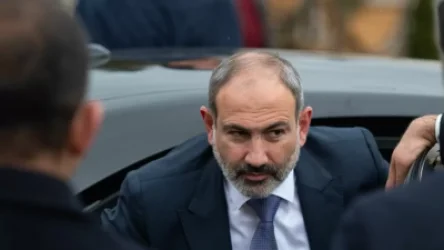
It should be noted that Pashinyan stated yesterday in the National Assembly: “If the relationships between the Church and the government are not good, then the relationships between the Church and God are also not good, according to Christian doctrine.”
Նմանատիպ հոդվածներ

Ավելին Society բաժնից
Հայաստանի մասին նոր զեկույց․ ուշագրավ մանրամասներ
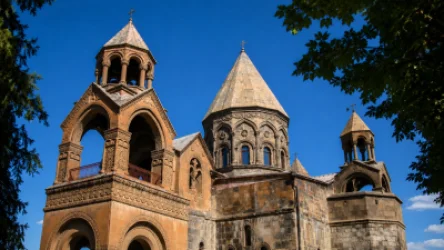
Մայր Աթոռ Սուրբ Էջմիածինը հայտարարություն է տարածել

Հորդառատ անձրևները կվերսկսվեն. հնարավոր է նաև կարկուտ, քամու ուժգնացում