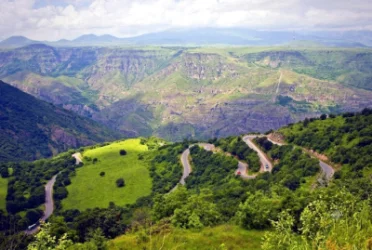
Azerbaijan Continuously Manipulates the Resolution of Armenian-Azerbaijani Relations and the Nagorno-Karabakh Issue: Mirzoyan

RA Foreign Minister Ararat Mirzoyan's speech at the 159th meeting of the Council of Arab States League at the ministerial level.
“Honorable Secretary General of the Arab League,
Honorable President,
Dear Ministers,
Your Excellencies, friends,
Firstly, I would like to express my gratitude to the Secretary General of the Arab League, His Excellency Ahmed Aboul Gheit, and the President of this session, His Excellency Sameh Shoukry, the Foreign Minister of Egypt, as well as to all member states for the opportunity to speak before this esteemed audience today. I consider this an event symbolizing friendship, mutual respect, and, of course, our common history.
I would like to start my speech by expressing satisfaction with the centuries-old friendship between the Armenian and Arab peoples. We are connected by strong historical and cultural ties that continue to serve as the basis for the current friendly relations, cooperation, and warm interactions between our peoples. Throughout history, our peoples have lived side by side and shared each other's joys and sorrows. During the tragic events of the early 20th century, thousands of Armenians, fleeing the genocide perpetrated by the Ottoman Empire in 1915, found refuge in Arab countries. During that difficult period, Armenians were given the opportunity to live and create in the Arab countries that hosted them. This attitude will never be forgotten by the Armenian people, and I am proud that our compatriots made significant contributions to the development and progress of those Arab countries in various fields.
I want to note that Armenia, being the cradle of ancient civilizations, has also preserved Islamic heritage, as evidenced by the thousands of manuscripts held at the Mesrop Mashtots Institute of Ancient Manuscripts, known as the Matenadaran. In the center of our capital, Yerevan, we proudly preserve and display Arabic manuscripts, which include masterpieces of Arabic calligraphy, such as the earliest writings of the Holy Quran, as well as rare books on religious, philosophical, historical, and philological content.
Armenia and Arab countries have also established close relations and effective cooperation at the state level. There is complete mutual understanding between Armenia and Arab countries on important issues, including the peace process in the Middle East.
Dear colleagues,
In our region, Armenia is negotiating with Azerbaijan to discuss the resolution of issues concerning the relationship between our two countries with the aim of establishing peace in the region. I do not wish to burden you with details about the extensive aggressions directed against the people of Nagorno-Karabakh and the sovereign territory of Armenia in this brief speech. I also do not want you to find yourselves in the realm of mutual accusations and disputes. Instead, I will provide you with a general picture of the entire process.
I would like to emphasize that Armenia rejects the use of force or the threat of force and seeks to negotiate from constructive positions with its neighbors while being committed to finding just solutions to all unresolved issues through diplomacy. In response to our sincere efforts, Azerbaijan continues its rhetoric of hatred and intolerance, as well as aggressive and supremacist actions.
In this regard, I would like to address recent developments. As you know, for more than two months, the only road connecting Nagorno-Karabakh to the outside world, the Lachin corridor, has been illegally blocked by a so-called group of eco-activists, which is obviously organized by the Azerbaijani government. Moreover, Azerbaijan regularly disrupts the supply of electricity and gas to Nagorno-Karabakh, resulting in the Armenian people there being on the brink of a humanitarian disaster. Rather than negotiating with local authorities regarding the rights and security guarantees of the Armenians in Nagorno-Karabakh, the Azerbaijani leadership calls on the Armenian population of Artsakh to leave their homes, aiming to deprive them of their homeland and implement its policy of ethnic cleansing.
In the context of the blockade of the Lachin corridor, I want to emphasize that on February 22 of this year, the International Court of Justice issued a legally binding order regarding the urgent measures against Azerbaijan. In this order, the Court established that there is an immediate danger of causing irreparable harm to the rights of Armenians and obliged Azerbaijan to take all necessary measures to ensure the unhindered movement of persons, vehicles, and cargo in both directions along the Lachin corridor.
Honorable Ministers,
Unfortunately, our neighboring Azerbaijan continuously manipulates the issues of the resolution of Armenian-Azerbaijani relations and the Nagorno-Karabakh problem on various international platforms, especially in organizations where Armenia is not represented, such as the Organization of Islamic Cooperation and the Non-Aligned Movement, attempting to give them a religious hue and using the sensitive ideology of Islamic solidarity. We expect that such attempts will be rejected and will not draw our friendly Arab countries into the realm of religious disputes. We must prevent any further attempts to give religious connotations to issues that are purely political and humanitarian in nature.
And once again, in this forum of the League of Arab States, I emphasize that Armenia places great importance on its relations with Arab states and reaffirms our readiness to expand cooperation with each of your countries. Thank you!”
Նմանատիպ հոդվածներ
International Investigative Group Should Be Deployed to the Scene, French MP on Azerbaijani Diversion
Yerevan Deputy Mayor Gevorg Simonyan Arrested Along with 11 Others: Details
Azerbaijan's Ministry of Defense Accuses Russia of Distorting Facts
More than 20 Gunshot Wounds Found on Body of Artsakh Policeman Killed by Azerbaijanis, Says State Minister
Ավելին Politics բաժնից
Դավիթ Ղազինյանը զրկվեց անձեռնմխելիությունից
Ռուբեն Ռուբինյանն անդրադարձել է ընդդիմադիրների բացակայությանը
ՀՀ-ում ԱՄՆ դեսպանատունը հայտարարություն է տարածել