Unique Tomb of Man and Woman Discovered in Armenia
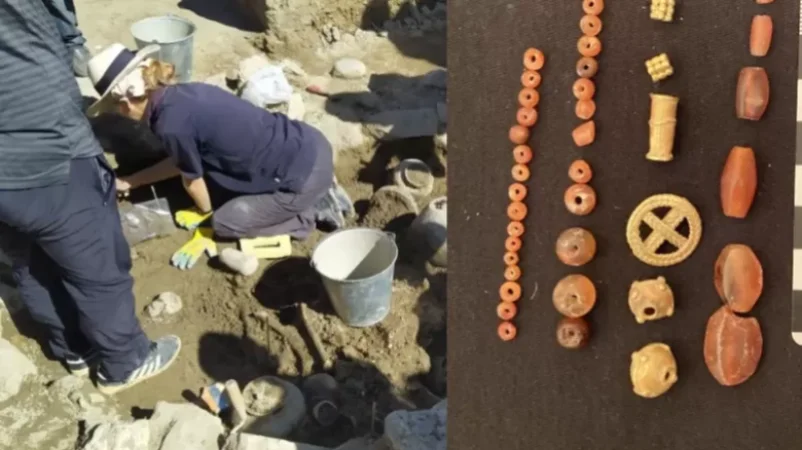
A team of Polish-Armenian archaeologists has discovered a tomb in Armenia's ancient fortress city of Metaamor, dating back to the time of Pharaoh Ramses II in Egypt, around 1300-1200 BC. According to Nauka w Polsce, the tomb contains the remains of a man and a woman, and the archaeologists reported that the bones are well-preserved.
Both skeletons displayed flexed limbs. Preliminary estimates indicate that the couple died at the age of 30-40, and they were likely partners. "The cause of their death is a mystery, as we do not know what it was. However, everything suggests that they died simultaneously; there are no signs of disturbance in the tomb," said archaeologist Krzysztof Jakubjak.
He described the finding as unique, noting that the tomb had not been looted and was enriched with valuable artifacts. The scientists discovered over a hundred amulets and gold pendants, some of which resemble Celtic crosses. Several dozen other pendants, nearly a dozen ceramic vessels, and a faience flask were also found in the tomb.
Researchers are unsure about the identity of the people who inhabited Metaamor during the second half of the second millennium BC, as no written records have been preserved, complicating identifications. However, the settlement was relatively significant; in comparison, no other key settlements were noted in the region during the late second millennium BC.
Նմանատիպ հոդվածներ




Ավելին Society բաժնից

«Նուբարաշեն» ՔԿՀ-ում երեք կալանավոր հացադուլի մեջ են մինչև 38 օր․ ՍիվիլՆեթ

Նոր ռազմավարությամբ կվերափոխվեն դատաիրավական և հակակոռուպցիոն ոլորտները

Բաքվից Հայաստան է ուղարկվել 490 տոննա ռուսական ցորեն