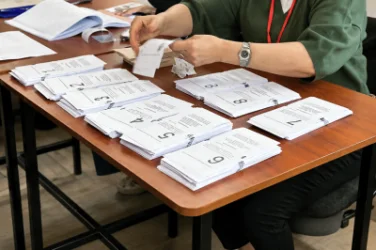
First they said ‘Artsakh is Armenia and that’s it,’ then ‘Artsakh is Azerbaijan and that’s it.’ Sahakyan on potential dangers
We currently have local records regarding human rights violations, but if we obtain a convention record from the UN court, we will restrict all political actors of both sides. This was stated today, February 24, at the scientific-practical conference titled ‘The Imperative of International Recognition of the Republic of Artsakh’ by the president of the Center for International and Comparative Law, Siranush Sahakyan.
“Political actors cannot have solutions related to violations of UN rules, and subjecting the Armenians of Artsakh to Azerbaijan would be a direct affront to the UN court’s decisions. Processes at the UN will take a long time—optimistically, it could take five years to achieve an outcome, and I am confident that Azerbaijan will try to force Armenia's authorities to accept its approaches sooner, rendering the court decision ineffective,” noted Sahakyan.
The subject is sensitive, and there is a reluctance to make it too public, but we expect to see prosecutions regarding specific individuals in certain EU countries soon,” Sahakyan mentioned.
According to Siranush Sahakyan, the platform for resolving the issue is within the political environment, which, unfortunately, is not very favorable for Armenians. In the legal field, it is possible to raise issues of torture and discrimination, but any question regarding the self-determination and status of Artsakh is out of the question.
“As a result, the entire burden is on the political segment. We do not have a consistent line on this issue, and for me, the best example of this is the expression when it was declared that ‘Armenia is Artsakh and that’s it,’ and after several years of developments, this same leadership embodies the ideology that ‘Artsakh is Azerbaijan and that’s it,’” Sahakyan noted.
According to the international law expert, such expressions are unconsidered and also have negative effects on human rights. “There are numerous videos where Armenian prisoners of war are forced to say ‘Karabakh is Azerbaijan and that’s it.’ Unmeasured expressions can close the path to political negotiations and legitimize the military option, and they can also have humanitarian consequences,” emphasized Sahakyan.
Siranush Sahakyan stated that their task is to document and internationally recognize all the violations committed by the Azerbaijani authorities against Armenians. Moreover, events that have occurred since the 2000s have also been recorded, particularly in peaceful conditions, when cases of abduction, torture, and murder of Armenians have occurred in border areas.
“This documentation gives us access to regional and international forums to register facts with their involvement. We have five finalized acts that record violations of the right to life, torture, arbitrary detention, but most importantly, I believe, is the documentation of discrimination. In the case concerning Gurgen Margaryan, we have discrimination as part of state policy in the ruling. In other cases, the court has at least recorded that Azerbaijan grants amnesty to criminals and that proper investigations of crimes against Armenians are not conducted, which can provide us with a good basis for presenting crimes against Armenians internationally,” Sahakyan added.
Նմանատիպ հոդվածներ
Ավելին Society բաժնից
Քաղաքացին պետք է առնվազն 6 ամիս բնակված լինի Հայաստանում. Կոնջորյանը մանրամասնել է՝ ինչ է նախատեսվում
Փամբակ գետն ընկած քույրերի որոնումները վերսկսել են. ինչ է հայտնի
Սիփան Փաշինյանը՝ Տավուշի մարզպե՞տ․ «Հրապարակ»